
Asthma: symptoms, triggers and treatment
Updated
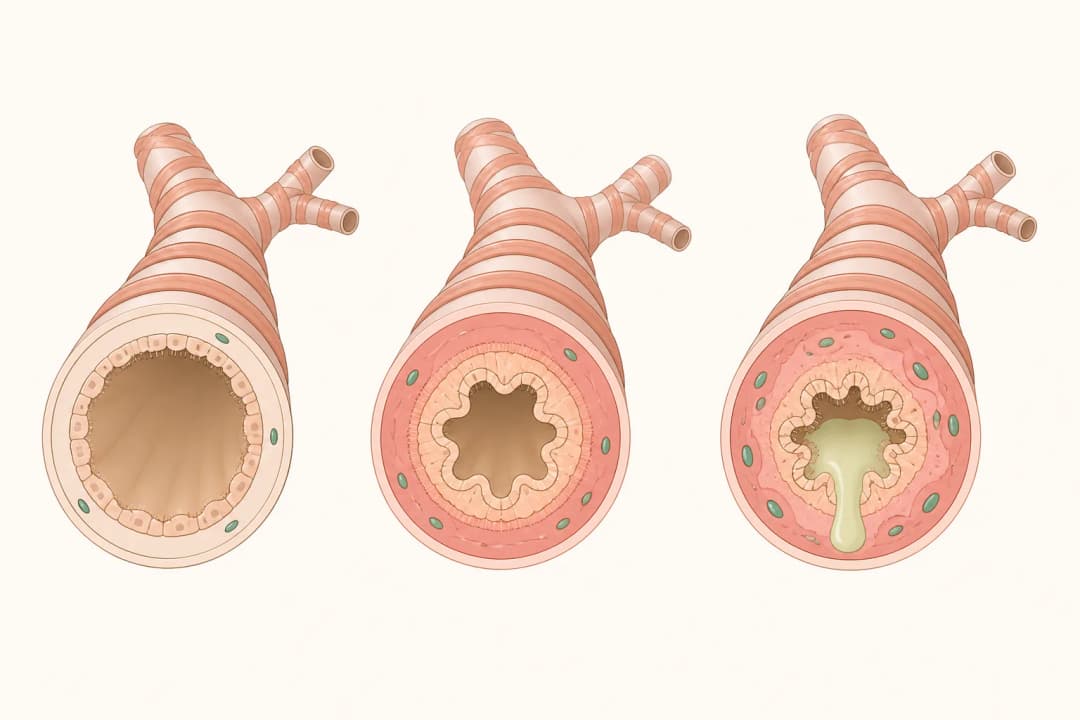
At a glance
- Condition type
- Long-term airway condition
- Common symptoms
- Wheeze, cough, chest tightness and breathlessness
- Assessment
- Symptom review, examination and breathing tests
- Management
- Trigger reduction, inhaler technique and a personalised plan
Understanding asthma
Asthma is a long-term condition in which sensitive airways can narrow and make breathing difficult.
The lining of the breathing tubes may become inflamed and the muscles around them can tighten. Mucus can also build up, reducing the space available for air to move. Symptoms can vary from day to day and may be quiet between flare-ups.
Symptoms and urgent warning signs
People with asthma commonly experience wheezing, cough, chest tightness or shortness of breath. Symptoms may be brought on by exercise, cold air, smoke, respiratory infections or contact with an individual trigger.
Seek urgent medical help if breathing becomes severely difficult, you cannot speak comfortably in full sentences, reliever treatment is not helping as expected, or lips and face look blue or grey. A sudden worsening deserves prompt assessment.
Why airways react
Asthma develops through a combination of airway sensitivity and individual influences. It is not caused by one behaviour. Allergens, irritants and viral infections can provoke airway narrowing in a person whose airways are already reactive.
Allergic rhinitis or sensitivity to house dust mites can sit alongside asthma. Identifying a pattern can help a clinician decide whether allergy assessment or changes at home may be useful.
How asthma can change over time
Some people have occasional symptoms, while others need regular treatment to keep their airways settled. Control can change with seasons, infections, new exposures, pregnancy, work environments or changes in how medicines are used.
A written action plan can describe the person’s usual medicines, early signs of deterioration and the action to take if symptoms escalate. Bring the plan and inhalers to reviews so they can be checked together.
Factors that can make symptoms more likely
Tobacco smoke, vaping aerosols, air pollution, strong scents and workplace dusts or chemicals can irritate airways. Colds and flu-like illnesses may also trigger a flare. Some people notice symptoms around pets, mould, pollen or dust.
Do not stop prescribed asthma medicine because a trigger seems avoidable. Reducing an identified exposure and using treatment correctly usually work together.
Assessment and diagnosis
A clinician will ask about the timing of symptoms, possible triggers, sleep disruption, previous attacks and medicines. They may listen to the chest and review inhaler technique. Breathing tests can show how well air moves out of the lungs and whether this changes after a reliever medicine.
Symptoms can overlap with other breathing and heart conditions, so an assessment considers the whole pattern rather than a single symptom alone.
Treatment options
Treatment is tailored to symptom pattern and flare-up risk. Inhalers may include a reliever that opens tightened airway muscles and a preventer that reduces airway inflammation. The specific device, dose and schedule should match the prescription and be reviewed regularly.
Correct inhaler technique matters because medicine must reach the lungs. A spacer may be recommended with some inhalers. During a significant flare, clinicians may provide urgent treatment, including nebulised medicine, based on the assessment.
Living with asthma
Keep an up-to-date list of medicines and know which inhaler is for regular prevention and which is for symptom relief. Recheck technique after a new device, a dose change or any period when control has been poor.
A planned chronic disease review creates time to discuss symptoms, activity, triggers, side effects and whether the action plan still fits your life. Physical activity can remain part of life when asthma is well managed.
Possible complications
A flare can become serious when airway narrowing progresses quickly or does not respond to the usual reliever plan. Repeated symptoms can disturb sleep, limit activity and lead to time away from work or school. Prompt review after urgent care helps clarify what changed.
Reducing flare-ups
Use preventer treatment as prescribed, avoid known irritants where practical and arrange review when symptoms change. Keeping indoor spaces well ventilated and avoiding smoke exposure can reduce airway irritation. Discuss vaccines and infection prevention with a clinician when relevant to you.
When to seek specialist input
A GP or respiratory clinician may be helpful when symptoms remain disruptive, the diagnosis is uncertain, frequent reliever use is needed, or allergy and work exposures need investigation. Take your inhalers, action plan and a short symptom record to the appointment.
Prescribing reference
Medications used for asthma
- BudesonideInhaled corticosteroid for daily asthma and COPD control · Prescription only
- FluticasoneCorticosteroid available as inhaler (lungs) or nasal spray (allergies) · Prescription only
- MontelukastLeukotriene inhibitor taken daily to prevent asthma and allergy symptoms · Prescription only
- Salbutamol (Albuterol)Fast-acting rescue inhaler that opens airways during asthma attacks · Prescription only
- TiotropiumLong-acting inhaler for daily COPD maintenance (Spiriva) · Prescription only
- Full prescribing referenceRx status, monitoring and specialties for asthma.
Questions people ask
Can asthma symptoms come and go?
Yes. Airways may be settled for periods and then react to infections, irritants, exercise or allergens. New or worsening symptoms should be discussed with a clinician.
Why is inhaler technique checked?
Each device needs a particular breathing method. Checking technique helps ensure the prescribed medicine reaches the lungs as intended.
Related
Related reading
Keep reading
Find care
General Clinics & Polyclinics in Dubai
Where asthma: symptoms, triggers and treatment is assessed depends on what is causing it. These are licensed general clinics & polyclinics listed in Dubai.
Elite Business Bay Residence - Shop 03 & 04, 34 Marasi Dr - Business Bay - Dubai - United Arab Emirates
Accepts: Tabby
Airport View Building, Al Garhoud, Dubai
Accepts: Daman, Thiqa, AXA, Cigna +25 more
IBIS Building, 5th Floor, Unit 5003, Deira, Dubai
Accepts: AXA, Cigna, MetLife, Allianz Care +18 more
- Aarna Elite Medical CenterVerified
Madeira Building, Shop 1 & 2, Al Jadaf, Dubai, UAE
Ordered by verification status and how complete each clinic's public record is, then alphabetically. This is a directory listing, not a ranking — Zavis does not rate or recommend providers.
A factual listing drawn from the UAE health regulators' public licence registers. It is not a referral, an endorsement, or advice that any of these providers is right for you.
Medical disclaimer. This page is general health information, not medical advice, and it cannot diagnose you. Always consult a licensed healthcare provider about your own symptoms and treatment. In an emergency in the UAE, call 998 for an ambulance.