
Occupational asthma: signs and next steps
Short answer
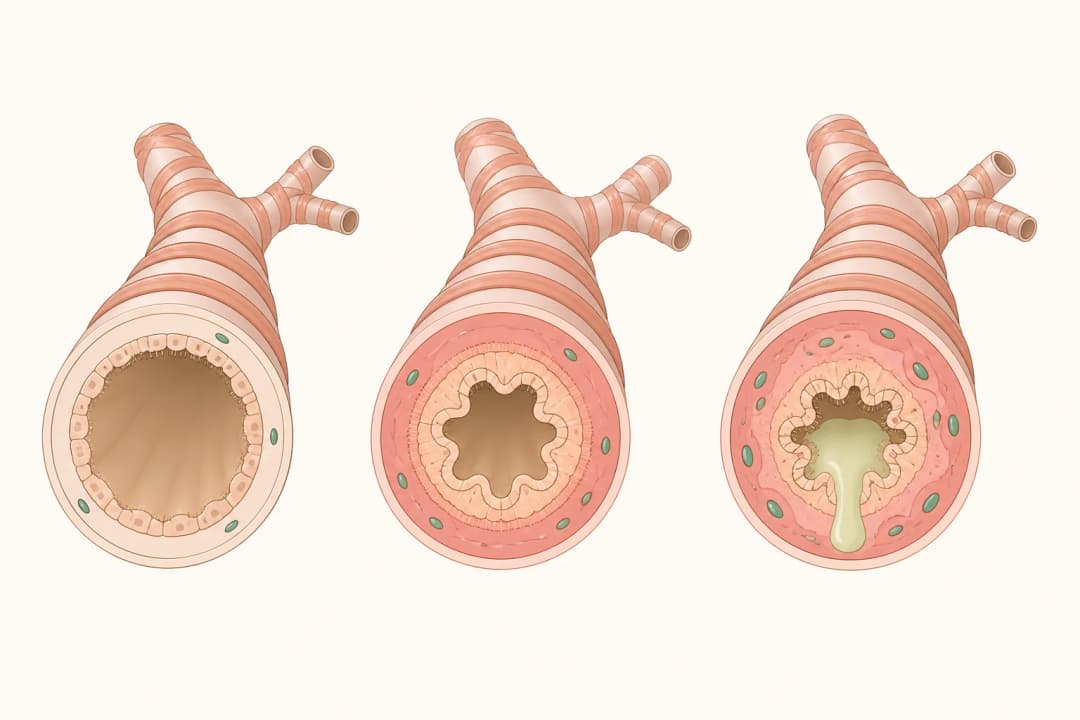
Occupational asthma is asthma caused or worsened by workplace exposure, with symptoms that may improve away from work.
This answers one question. It is not a diagnosis and does not replace an assessment by a licensed doctor.
At a glance
- Typical clue
- Symptoms follow a workplace pattern
- Possible exposures
- Dusts, fumes, vapours, sprays, or biological materials
- Assessment
- History plus breathing measurements over time
How work can affect breathing
Dusts, fumes, vapours, sprays, flour, cleaning products, paints, animal proteins, and other materials can irritate or sensitise the airways. Symptoms may include cough, wheezing, chest tightness, or breathlessness during a shift, after repeated exposure, or later in the day. Some people notice improvement on days away or during leave, although symptoms can persist. Asthma is not proved by timing alone; allergies, allergic rhinitis, infection, or another lung condition can look similar.
Practical next steps
Record when symptoms start, what tasks and substances were involved, your work area, and whether symptoms change away from work. Arrange a clinical review and bring any product names or safety information available. A clinician may compare breathing measurements taken at work and away from work, review allergies, and assess whether workplace controls or a different exposure pattern is contributing. Do not stop prescribed inhalers without advice; workplace changes should be discussed with your employer or occupational health team.
When breathing needs urgent help
Seek emergency care for severe breathlessness, inability to speak comfortably, blue lips, fainting, confusion, or symptoms that continue to worsen despite your prescribed reliever plan. Prompt review is also appropriate when wheezing or chest tightness repeatedly follows a work task, because ongoing exposure can make airway inflammation harder to control.
Questions for your doctor
Ask which workplace exposures could fit the pattern, how to record peak-flow or other breathing changes, whether referral is needed, and what to do during the next episode.
Find care
General Clinics & Polyclinics in Abu Dhabi
That answer is general. If you want it applied to your own case, these are licensed general clinics & polyclinics listed in Abu Dhabi.
27 Ar Ruwwad St - Shakhbout City - MSH4 - Abu Dhabi - United Arab Emirates
Accepts: Daman, Thiqa, Cigna, MetLife +20 more
Al Ruwais, Al Dhafrah
Accepts: Daman, Thiqa, AXA, Cigna +16 more
Al Bahyah - Al Bahyah Old - Abu Dhabi - United Arab Emirates
Accepts: Daman, Thiqa, Cigna, Allianz Care +18 more
Abu Dhabi
Accepts: Daman, Thiqa, AXA, Cigna +27 more
Ordered by verification status and how complete each clinic's public record is, then alphabetically. This is a directory listing, not a ranking — Zavis does not rate or recommend providers.
A factual listing drawn from the DHA, DOH and MOHAP licence registers. It is not a referral, an endorsement, or advice that any of these providers is right for you.
Questions people ask
Can occupational asthma begin after years in a job?
Yes. Sensitisation or airway irritation can develop after repeated exposure.
Should I leave my job immediately?
Discuss urgent symptoms with a clinician; exposure reduction and workplace adjustments should be planned safely.
Keep reading
Medical disclaimer. This page is general health information, not medical advice, and it cannot diagnose you. Always consult a licensed healthcare provider about your own symptoms and treatment. In an emergency in the UAE, call 998 for an ambulance.