
Haemoptysis treatment
Short answer
Haemoptysis treatment depends on why blood is coming from the airways, how much is present, and whether breathing or circulation is affected.
This answers one question. It is not a diagnosis and does not replace an assessment by a licensed doctor.
At a glance
- Meaning
- Haemoptysis is blood coughed up from the lower airways.
- Possible causes
- Infection, bronchiectasis, cancer, tuberculosis, or a clot in the lung.
- Emergency sign
- Ongoing bleeding or breathing difficulty needs emergency help.
Why the cause matters
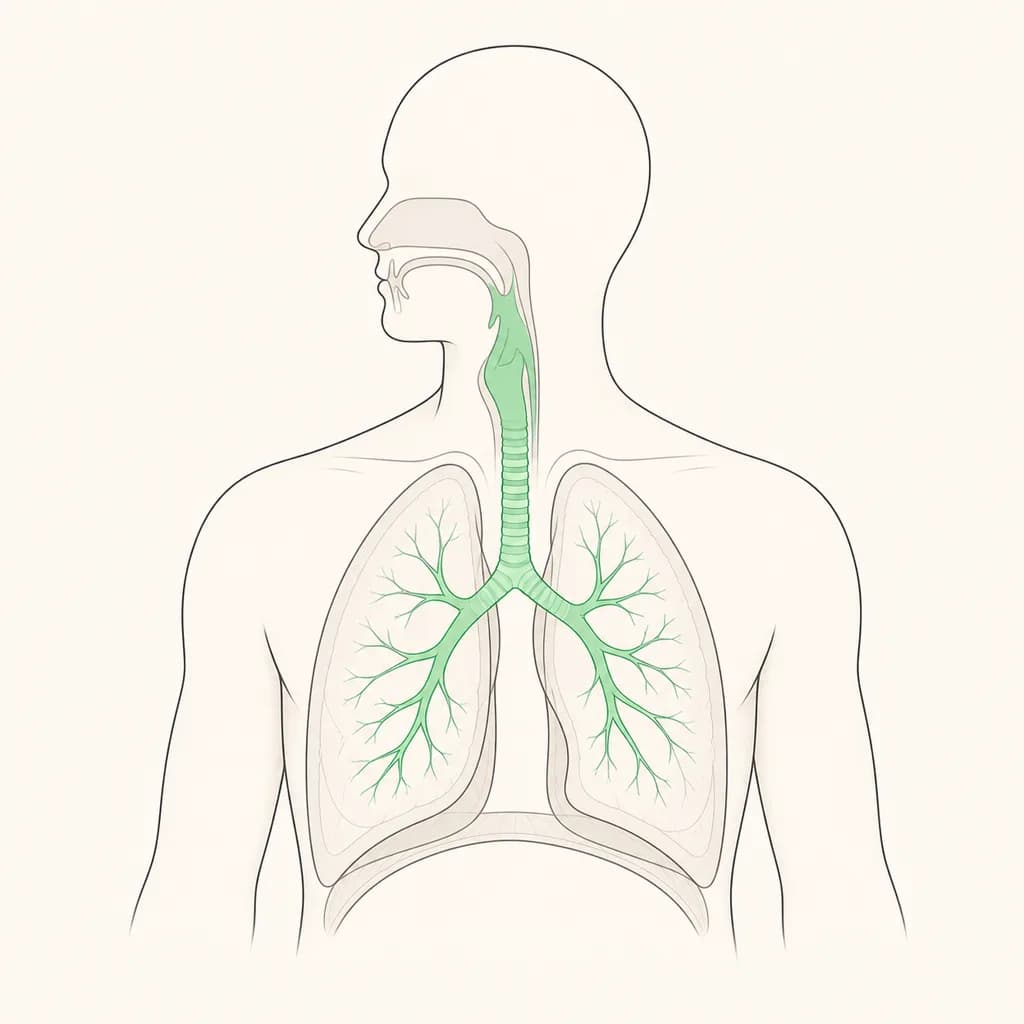
Haemoptysis means coughing blood or blood-stained mucus from the lower airways. It can happen with an irritated airway or chest infection, but it may also be linked with bronchiectasis, lung cancer, tuberculosis, or a pulmonary embolism. Blood from the mouth, nose, or stomach can look similar, so its source needs checking.
The clinician will ask about the colour and amount, how often it happened, chest pain, breathlessness, fever, smoking, medicines that affect clotting, and previous lung problems. The assessment may include examination and tests chosen for the suspected cause.
What to do now
Contact a clinician promptly for any unexplained blood when coughing, even if it is mixed with mucus. Note when it began, how much you saw, and whether it followed a bout of coughing. Bring a list of medicines, including blood thinners, and do not stop prescribed treatment without advice.
Treatment may involve managing an infection, adjusting a medicine, treating an underlying lung condition, or controlling a bleeding area. Palliative radiotherapy can sometimes be considered when bleeding is related to a cancer and symptom relief is the goal.
When it is an emergency
Call emergency services for more than a small streak, ongoing or increasing bleeding, severe breathlessness, chest pain, dizziness, fainting, confusion, or blue or grey lips. Sit upright while waiting for help and avoid driving yourself if you feel weak or short of breath.
Questions for your doctor
Ask where the blood is likely coming from, which tests are needed, and whether any medicine could be contributing. Ask what amount or symptom should send you to emergency care, and how the suspected cause will be treated.
Find care
General Clinics & Polyclinics in Abu Dhabi
That answer is general. If you want it applied to your own case, these are licensed general clinics & polyclinics listed in Abu Dhabi.
27 Ar Ruwwad St - Shakhbout City - MSH4 - Abu Dhabi - United Arab Emirates
Accepts: Daman, Thiqa, Cigna, MetLife +20 more
Al Ruwais, Al Dhafrah
Accepts: Daman, Thiqa, AXA, Cigna +16 more
Al Bahyah - Al Bahyah Old - Abu Dhabi - United Arab Emirates
Accepts: Daman, Thiqa, Cigna, Allianz Care +18 more
Abu Dhabi
Accepts: Daman, Thiqa, AXA, Cigna +27 more
Ordered by verification status and how complete each clinic's public record is, then alphabetically. This is a directory listing, not a ranking — Zavis does not rate or recommend providers.
A factual listing drawn from the DHA, DOH and MOHAP licence registers. It is not a referral, an endorsement, or advice that any of these providers is right for you.
Questions people ask
Is a small streak of blood always dangerous?
Not always, but unexplained blood when coughing still needs prompt clinical advice because causes range from irritation to serious illness.
Should I stop a blood thinner if I cough blood?
No. Contact a clinician urgently for individual advice rather than changing a prescribed medicine yourself.
Related
Related reading
Keep reading
Medical disclaimer. This page is general health information, not medical advice, and it cannot diagnose you. Always consult a licensed healthcare provider about your own symptoms and treatment. In an emergency in the UAE, call 998 for an ambulance.