
Pneumonia: symptoms, diagnosis and treatment
At a glance
- Also called
- Lung infection
- Main body system
- Lungs and airways
- Urgent warning
- Severe breathing difficulty or confusion
What pneumonia is
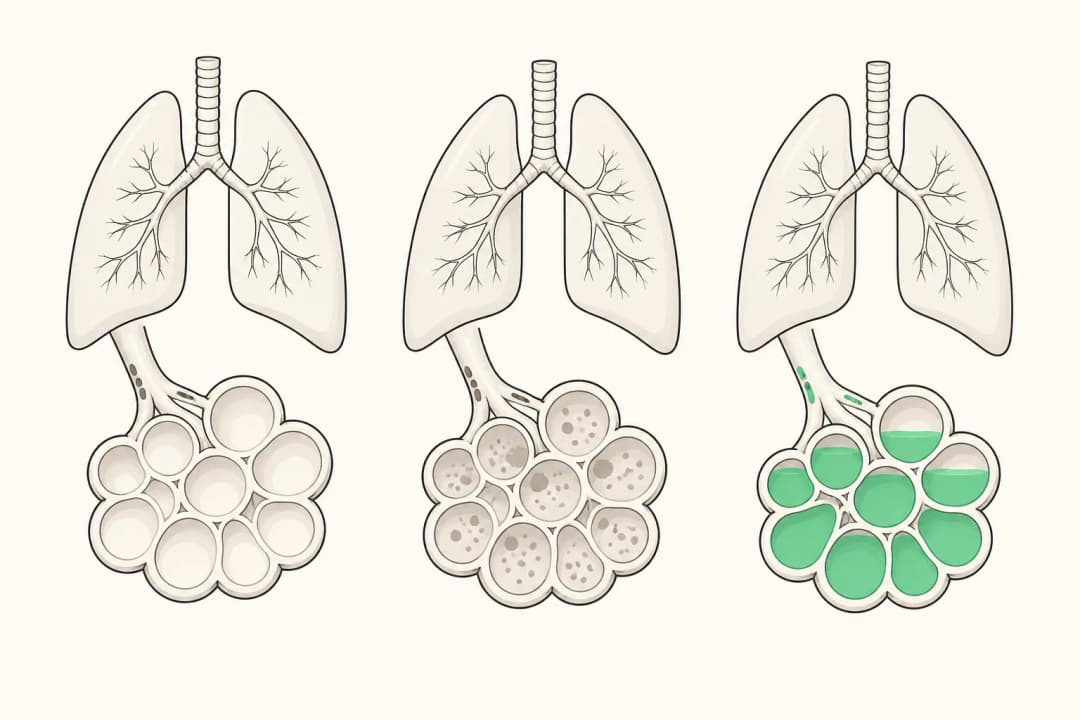
Pneumonia is an infection that inflames air sacs in the lungs and can make breathing difficult.
The air sacs may fill with fluid or inflammatory material, so oxygen transfer becomes less efficient. It can involve a small area or more of one or both lungs. Bacteria, viruses and, less often, fungi can cause it. The right response depends on the cause, the severity of illness and a person’s underlying health.
Symptoms to notice
Cough, phlegm, fever, chills and shortness of breath are very common presentations of pneumonia. Chest pain, particularly pain that worsens with a deep breath or cough, can also occur. Some people feel unusually tired, confused or less able to eat and drink. Coughing up blood needs urgent medical assessment, especially when it occurs with breathlessness or chest discomfort.
How it develops
A germ can reach the lower airways through inhaled droplets, spread from an infection elsewhere in the body, or aspiration of food, fluid or stomach contents. Viral respiratory illnesses, including influenza and COVID-19, may be linked with pneumonia. Clinicians consider the setting in which symptoms began because community-acquired and healthcare-associated infections can involve different germs.
Course and recovery
Symptoms may start suddenly or build over several days. Fever and breathing symptoms can improve before energy and appetite fully return. Recovery varies with the cause, the area of lung affected and general health. Contact the treating team if symptoms are worsening, return after improvement, or medication is difficult to take because of vomiting or a reaction.
Who may need closer attention
Pneumonia can be more serious in older adults, young children, pregnant people, and people with chronic lung or heart conditions, diabetes, immune suppression or swallowing difficulties. Smoking and recent respiratory illness can also increase vulnerability. These factors do not diagnose pneumonia; they help clinicians decide how quickly to assess symptoms and what support may be needed.
How clinicians check for it
A clinician will ask about symptom timing, medical conditions, medicines and possible exposures, then listen to the lungs and check breathing, temperature and oxygen level. Blood tests or a sample of phlegm may help identify infection or its effects. A chest X-ray can show changes in the lungs and help distinguish pneumonia from other causes of respiratory symptoms.
Treatment options
Treatment is matched to the likely cause and severity. Bacterial pneumonia may be treated with antibiotics; they do not treat viral infections. Rest, fluids when safe to drink, and treatment for fever or discomfort can support recovery. People with low oxygen, severe breathing difficulty or complications may need hospital care, oxygen or fluids through a vein. Take prescribed medicine exactly as directed and do not save or share antibiotics.
Managing recovery at home
Resting does not mean staying completely still. Gentle movement as tolerated, regular fluids if permitted, and small meals can be easier while appetite is low. Avoid smoking and smoky environments while the lungs recover. Keep follow-up appointments, particularly if you have a long-term health condition or symptoms that have not settled as expected.
Possible complications
Infection can sometimes lead to low oxygen levels, dehydration, a collection of fluid around the lung, or infection spreading into the bloodstream. Sepsis is a medical emergency. Rapidly worsening breathlessness, new confusion, fainting, inability to stay awake, or very little urine are reasons to seek emergency care.
Reducing risk
Hand hygiene, covering coughs and staying away from others when acutely unwell can reduce respiratory spread. Recommended vaccines, including those advised for influenza and other respiratory infections, can be discussed with a clinician. Good mouth care, smoking cessation and careful management of swallowing problems may also reduce risk for some people.
When to seek specialist care
Start with a primary-care clinician or urgent-care service for new respiratory symptoms. A respiratory specialist may be involved when pneumonia is recurrent, recovery is prolonged, imaging remains abnormal, or an underlying lung condition needs assessment. Emergency services are appropriate for severe breathing difficulty, confusion or chest pain with concerning symptoms.
Prescribing reference
Medications used for pneumonia
Questions people ask
Can pneumonia be viral?
Yes. Viruses can cause pneumonia, and antibiotics are used only when a bacterial infection is suspected or confirmed.
When should I get urgent help for pneumonia symptoms?
Seek emergency care for severe shortness of breath, confusion, blue or grey lips, fainting, or severe chest pain.
Related
Related reading
Keep reading
Find care
Radiology & Imaging in Dubai
Where pneumonia: symptoms, diagnosis and treatment is assessed depends on what is causing it. These are licensed radiology & imaging listed in Dubai.
First Gulf Real Estate Building, Amman Street, AL NAHDA FIRST, Dubai
Accepts: Daman, Thiqa, AXA, Cigna +28 more
LEADER, 3 Street 99, DUBAI INVESTMENT PARK FIRST, Dubai
Accepts: Daman, Thiqa, AXA, Cigna +29 more
villa, Al Wasl Road, JUMEIRAH FIRST, Dubai
Accepts: Daman, Thiqa, AXA, Cigna +16 more
Aletihad Diagnostic Center, Alwasl Road, AL SAFFA SECOND, Dubai
Accepts: AXA, Cigna, MetLife, Allianz Care +17 more
Ordered by verification status and how complete each clinic's public record is, then alphabetically. This is a directory listing, not a ranking — Zavis does not rate or recommend providers.
A factual listing drawn from the DHA, DOH and MOHAP licence registers. It is not a referral, an endorsement, or advice that any of these providers is right for you.
Medical disclaimer. This page is general health information, not medical advice, and it cannot diagnose you. Always consult a licensed healthcare provider about your own symptoms and treatment. In an emergency in the UAE, call 998 for an ambulance.