
Pulmonary embolism: symptoms, causes and treatment
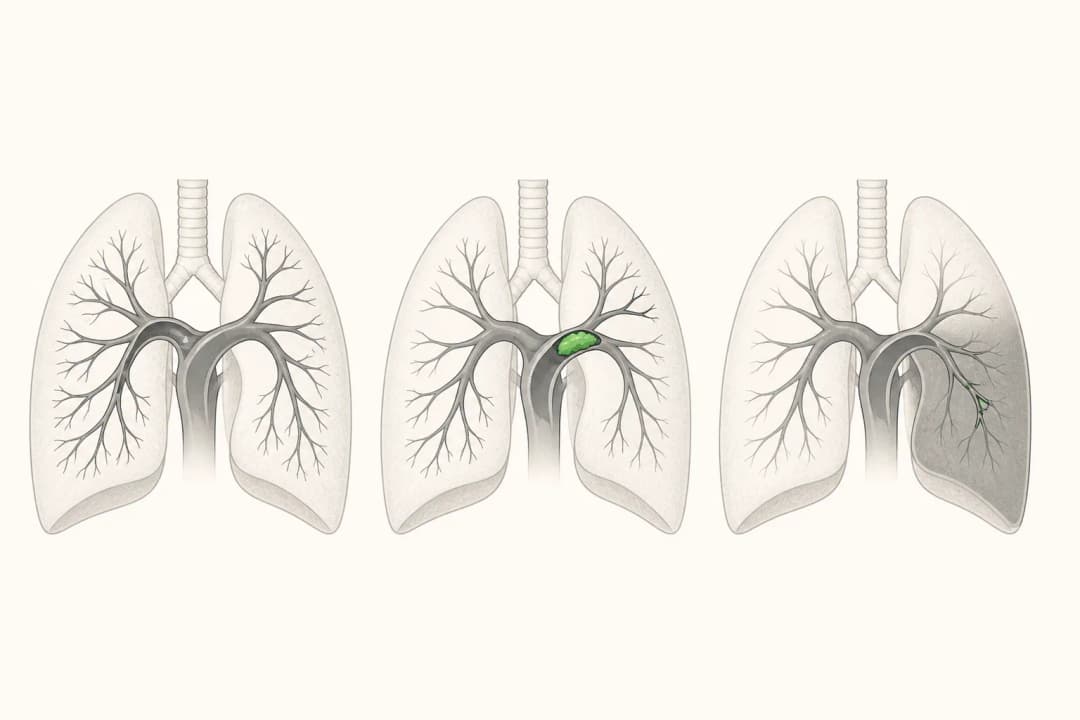
At a glance
- What it is
- A clot blocking a lung artery
- Key symptom
- New shortness of breath
- Care needed
- Urgent assessment
What pulmonary embolism means
Pulmonary embolism is a blood clot that blocks an artery in the lungs and needs urgent assessment.
The clot often forms in a deep vein, commonly in a leg, then travels through the bloodstream to the lungs. The blockage can make it harder for blood to pick up oxygen and can strain the heart. Severity varies, but suspected pulmonary embolism should be assessed without delay.
Symptoms that need urgent attention
Shortness of breath is a very common presentation of pulmonary embolism. Chest pain and coughing up blood are also common presentations. Symptoms may start suddenly or become noticeable over a short period, and some people also feel faint, have a fast heartbeat or notice leg pain and swelling.
Call emergency services now for severe breathlessness, chest pain with collapse or fainting, blue or grey lips, confusion, or symptoms that are rapidly worsening. These warning signs need emergency assessment regardless of the suspected cause.
How a clot reaches the lungs
Most pulmonary emboli arise when a blood clot in a deep vein breaks free and travels to the lung circulation. Clotting is more likely when blood flow is slow, a blood vessel is injured or the blood has a stronger tendency to clot. The source of a clot is not always obvious at first.
Why speed matters
A clot can reduce blood flow through part of the lung and place extra work on the right side of the heart. Prompt treatment aims to stop the clot becoming larger and reduce the chance of new clots. Recovery and follow-up needs vary according to the clot, symptoms and factors that contributed.
Factors clinicians consider
Recent immobility, a long journey, surgery, injury, pregnancy and the period after giving birth can raise clot risk. Previous clots, some cancers, inherited clotting conditions, smoking and certain hormone medicines may also matter. These factors help clinicians decide how urgently to investigate and how long treatment may be needed.
Tests used to confirm or exclude it
Clinicians assess symptoms, vital signs, medical history and clot-risk factors. Tests may include a blood test, an ECG, chest imaging designed to view lung blood vessels, and an ultrasound scan of the legs. The choice and order of tests depends on how unwell the person is and what else could explain the symptoms.
Treatment in hospital and after discharge
Anticoagulation management uses medicines that reduce the blood's ability to form new clots while the body gradually deals with the existing clot. In selected severe cases, hospital teams may consider treatments intended to break up or remove a clot. Treatment choice balances the danger from clotting with the risk of bleeding.
Take anticoagulant medicine exactly as prescribed and tell every clinician or dentist that you use it. Get urgent advice after a significant injury, bleeding that will not stop, black stools, vomiting blood or a severe new headache.
Returning to daily activity
Follow the activity advice from the treating team and build back gradually as breathlessness improves. Keep follow-up appointments, discuss travel plans and check before starting medicines or supplements that could interact with anticoagulants. Anxiety after a frightening event is common and is worth raising at review.
Follow-up concerns
Some people have ongoing breathlessness, chest discomfort or reduced exercise tolerance after treatment, which should be reviewed. Anticoagulants can cause bleeding, so new or unusual bleeding needs clinical advice. Recurrent chest symptoms or breathlessness should be treated as urgent until assessed.
Lowering clot risk
Move regularly during periods of travel or recovery when it is safe to do so, and follow advice about compression or preventive anticoagulants after surgery or hospital admission. Tell clinicians about previous clots and medicines containing hormones. Individual prevention plans depend on the reason for the clot and current health.
Where to seek care
Suspected pulmonary embolism belongs in urgent or emergency care rather than routine self-management. After initial treatment, a GP and hospital team can coordinate medication monitoring, follow-up and referral when ongoing symptoms or clotting risks need specialist input.
Prescribing reference
Medications used for pulmonary embolism
Questions people ask
Does chest pain always mean pulmonary embolism?
No. Chest pain has many causes, but new chest pain with breathlessness, coughing up blood or faintness needs urgent assessment.
Why are anticoagulants used?
They help prevent the current clot from growing and reduce the chance of further clots while the body clears the clot.
Related
Related reading
Keep reading
Find care
General Clinics & Polyclinics in Abu Dhabi
Where pulmonary embolism: symptoms, causes and treatment is assessed depends on what is causing it. These are licensed general clinics & polyclinics listed in Abu Dhabi.
27 Ar Ruwwad St - Shakhbout City - MSH4 - Abu Dhabi - United Arab Emirates
Accepts: Daman, Thiqa, Cigna, MetLife +20 more
Al Ruwais, Al Dhafrah
Accepts: Daman, Thiqa, AXA, Cigna +16 more
Al Bahyah - Al Bahyah Old - Abu Dhabi - United Arab Emirates
Accepts: Daman, Thiqa, Cigna, Allianz Care +18 more
Abu Dhabi
Accepts: Daman, Thiqa, AXA, Cigna +27 more
Ordered by verification status and how complete each clinic's public record is, then alphabetically. This is a directory listing, not a ranking — Zavis does not rate or recommend providers.
A factual listing drawn from the DHA, DOH and MOHAP licence registers. It is not a referral, an endorsement, or advice that any of these providers is right for you.
Medical disclaimer. This page is general health information, not medical advice, and it cannot diagnose you. Always consult a licensed healthcare provider about your own symptoms and treatment. In an emergency in the UAE, call 998 for an ambulance.