
Coughing and throwing up blood: what to know
Short answer
Coughing or vomiting blood is not something to diagnose at home; note its appearance and seek prompt medical assessment.
This answers one question. It is not a diagnosis and does not replace an assessment by a licensed doctor.
At a glance
- Priority
- Prompt assessment for any unexplained blood
- Emergency signs
- Breathlessness, chest pain, faintness, or ongoing bleeding
Where the blood may come from
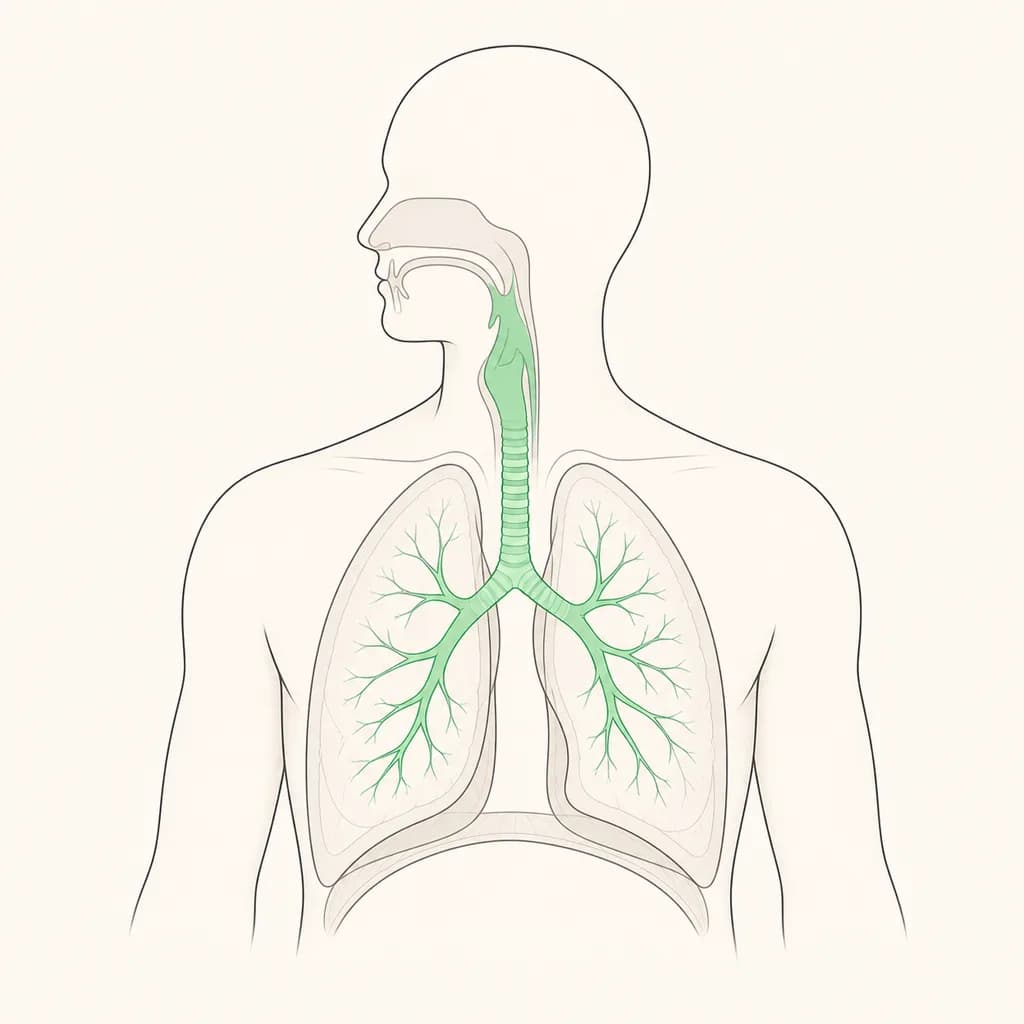
Blood brought up after a cough is often bright or frothy and mixed with mucus, suggesting the mouth, throat, or airways. Blood brought up with nausea or retching may be darker, clotted, or mixed with food and can come from the upper digestive tract. Irritation after forceful coughing or vomiting can cause small streaks, but other causes include [Pneumonia](/conditions/pneumonia/), [Bronchiectasis](/conditions/bronchiectasis/), [Tuberculosis](/conditions/tuberculosis/), [Lung Cancer](/conditions/lung-cancer/), or a [Pulmonary Embolism](/conditions/pulmonary-embolism/). These possibilities cannot be separated safely by colour alone.
What to do
Stop strenuous activity, sit upright, and arrange urgent medical advice. Do not take aspirin or anti-inflammatory pain medicines for this symptom unless a clinician has told you to use them. If possible, keep a sample or photograph, and record whether blood appeared with coughing, retching, or vomiting, along with medicines such as blood thinners. Do not eat or drink large amounts if you are actively vomiting or having trouble swallowing.
When to seek emergency care
Call emergency services immediately for more than a small streak, ongoing bleeding, breathlessness, chest or upper-back pain, a fast or irregular heartbeat, dizziness, fainting, confusion, pale or clammy skin, or black stools. Do not drive yourself if you feel weak or short of breath. Even a small unexplained episode needs prompt clinical review.
Questions for your doctor
Tell the clinician how much blood you saw, its colour and texture, whether coughing or nausea came first, and whether you take blood thinners or have lung disease. Ask what examination or imaging is needed and whether treatment such as [Palliative Radiotherapy](/treatments/radiation-oncology/palliative-radiotherapy/) is relevant to an established cancer diagnosis.
Find care
General Clinics & Polyclinics in Abu Dhabi
That answer is general. If you want it applied to your own case, these are licensed general clinics & polyclinics listed in Abu Dhabi.
27 Ar Ruwwad St - Shakhbout City - MSH4 - Abu Dhabi - United Arab Emirates
Accepts: Daman, Thiqa, Cigna, MetLife +20 more
Al Ruwais, Al Dhafrah
Accepts: Daman, Thiqa, AXA, Cigna +16 more
Al Bahyah - Al Bahyah Old - Abu Dhabi - United Arab Emirates
Accepts: Daman, Thiqa, Cigna, Allianz Care +18 more
Abu Dhabi
Accepts: Daman, Thiqa, AXA, Cigna +27 more
Ordered by verification status and how complete each clinic's public record is, then alphabetically. This is a directory listing, not a ranking — Zavis does not rate or recommend providers.
A factual listing drawn from the DHA, DOH and MOHAP licence registers. It is not a referral, an endorsement, or advice that any of these providers is right for you.
Questions people ask
How can I tell coughing blood from vomiting blood?
Coughing blood usually follows a cough and may be bright or frothy; vomiting blood follows nausea or retching and may mix with food. A clinician must confirm the source.
Should I wait to see if it happens again?
No. Arrange prompt medical advice, and seek emergency help for breathing trouble, pain, faintness, or more than a small streak.
Related
Related reading
Keep reading
Medical disclaimer. This page is general health information, not medical advice, and it cannot diagnose you. Always consult a licensed healthcare provider about your own symptoms and treatment. In an emergency in the UAE, call 998 for an ambulance.