
What should you know about a Cipla inhaler for asthma?
Short answer
A Cipla inhaler may contain a reliever, preventer or combination medicine, so check its active ingredients and use it exactly as prescribed for asthma.
This answers one question. It is not a diagnosis and does not replace an assessment by a licensed doctor.
At a glance
- First check
- Active ingredient and prescribed role
- Technique
- Have a clinician observe your inhalation
- Emergency signs
- Severe breathing difficulty, drowsiness or blue lips
Why the inhaler type matters
Cipla is a manufacturer, not one single asthma medicine. One inhaler may open narrowed airways quickly, another may reduce airway inflammation when used regularly, and a combination device may do both. The label, colour and device shape are not enough to identify its role; the active ingredient and instructions matter.
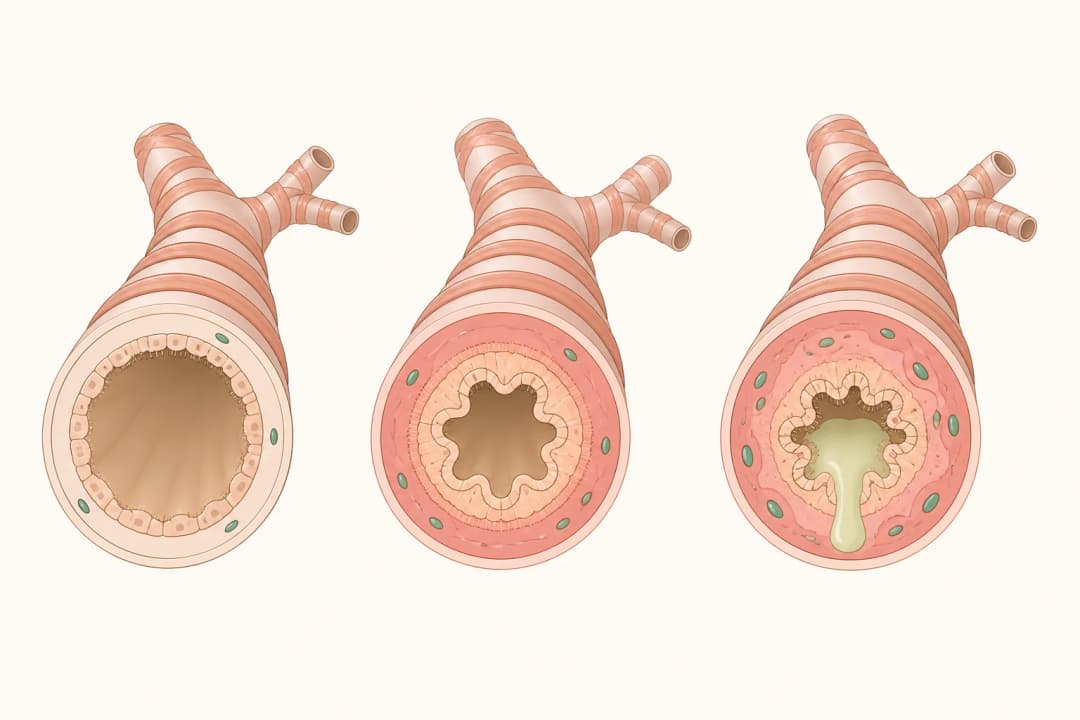
Asthma can cause wheezing, cough, chest tightness and shortness of breath. Symptoms may be triggered by allergens, infections, smoke, exercise or weather changes. Needing a reliever more often, waking with symptoms or limiting activity can indicate that your asthma plan needs review.
Using it well
Check the medicine name, dose and expiry information, then have a clinician watch your technique. Breathe out before the dose, seal your lips around the mouthpiece, inhale as instructed and hold your breath briefly if advised. Follow the device instructions because breath-activated and pressurised inhalers are used differently.
Rinse and spit after an inhaled steroid if your instructions say to do so. Keep a spare supply only as directed, store the device correctly and use a spacer when prescribed. Never share an inhaler or change the dose because symptoms fluctuate. A nebuliser treatment is different from routine inhaler use and is generally provided when clinically indicated.
Asthma warning signs
Use your written asthma action plan during worsening symptoms. Seek emergency help if you are struggling to speak, breathing is rapidly worsening, the reliever is not helping as directed, your lips look blue or you become drowsy or faint. Do not drive yourself if breathing is severely difficult.
Questions about your inhaler
Ask which active ingredient is in the inhaler, whether it is a reliever or preventer, how many doses to take, whether a spacer is suitable, how to check remaining doses, and what to do when wheezing or chest tightness breaks through.
Find care
General Clinics & Polyclinics in Abu Dhabi
That answer is general. If you want it applied to your own case, these are licensed general clinics & polyclinics listed in Abu Dhabi.
27 Ar Ruwwad St - Shakhbout City - MSH4 - Abu Dhabi - United Arab Emirates
Accepts: Daman, Thiqa, Cigna, MetLife +20 more
Al Ruwais, Al Dhafrah
Accepts: Daman, Thiqa, AXA, Cigna +16 more
Al Bahyah - Al Bahyah Old - Abu Dhabi - United Arab Emirates
Accepts: Daman, Thiqa, Cigna, Allianz Care +18 more
Abu Dhabi
Accepts: Daman, Thiqa, AXA, Cigna +27 more
Ordered by verification status and how complete each clinic's public record is, then alphabetically. This is a directory listing, not a ranking — Zavis does not rate or recommend providers.
A factual listing drawn from the DHA, DOH and MOHAP licence registers. It is not a referral, an endorsement, or advice that any of these providers is right for you.
Questions people ask
Are all Cipla inhalers the same?
No. Cipla produces different inhalers, and their medicines and devices can have different roles in asthma care.
Can you use a Cipla inhaler whenever you feel symptoms?
Only if it is your prescribed reliever and your action plan says to do so. Preventer inhalers are usually taken on a regular schedule.
Keep reading
Medical disclaimer. This page is general health information, not medical advice, and it cannot diagnose you. Always consult a licensed healthcare provider about your own symptoms and treatment. In an emergency in the UAE, call 998 for an ambulance.