
Cauterisation for Milia
Short answer
Cauterisation for milia uses controlled heat to open and remove a small keratin-filled cyst after the diagnosis is confirmed.
This answers one question. It is not a diagnosis and does not replace an assessment by a licensed doctor.
At a glance
- Target
- A confirmed, superficial milia cyst
- Method
- Controlled heat applied in a clinic
- Aftercare
- Keep the small healing site clean and protected
How the treatment works
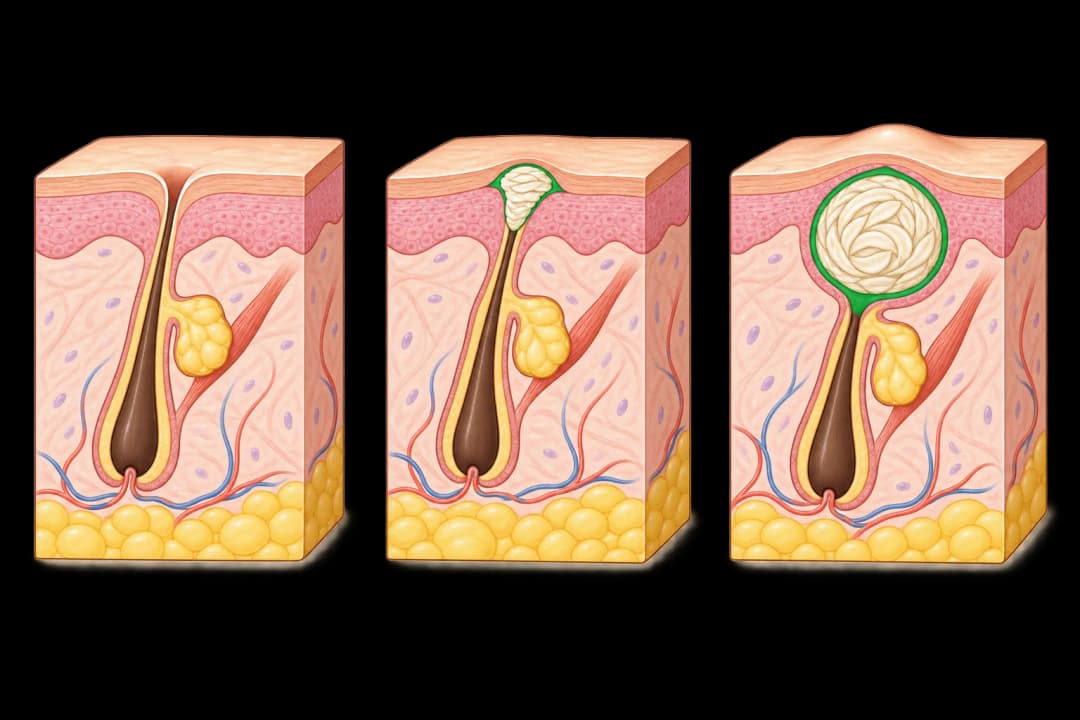
Milia are tiny cysts containing keratin trapped just beneath the surface. They can resemble [Whiteheads](/symptoms/whiteheads/) or other [Skin Bumps](/symptoms/skin-bumps/), so a clinician should confirm the diagnosis before treatment. During cauterisation, the area is cleansed and a fine device applies heat to the selected lesion, often after local numbing if appropriate. The opening allows the contents to be released or removed. The result can be a small crust or tender spot while the surface heals.
Preparing and healing
Do not pick, pierce, or burn a milia at home, especially near the eyelid. Tell the clinician about medicines, a tendency to form raised scars, cold sores near the treatment area, and any skin products that irritate you. Follow the aftercare instructions: keep the site clean, avoid rubbing, and protect healing skin from sun exposure. Depending on the number and location of lesions, alternatives may include [Curettage And Cautery](/treatments/surgical-dermatology/curettage-and-cautery/) or prescribed [Topical Retinoids](/treatments/medical-dermatology/topical-retinoids/).
When to seek care
Contact the treating clinic if pain, warmth, swelling, pus, or redness is increasing rather than settling, or if the area is slow to heal. Seek urgent help for swelling affecting vision, severe allergic symptoms, or rapidly spreading redness with fever. A lesion that changes colour, bleeds, or keeps returning should be reassessed rather than repeatedly cauterised.
Questions for your doctor
Ask how certain the diagnosis is, why cauterisation suits the lesion and its location, what mark to expect during healing, and which aftercare products are safe. Ask about recurrence, alternatives, and whether an eyelid or multiple lesions need a different approach.
Find care
General Clinics & Polyclinics in Abu Dhabi
That answer is general. If you want it applied to your own case, these are licensed general clinics & polyclinics listed in Abu Dhabi.
27 Ar Ruwwad St - Shakhbout City - MSH4 - Abu Dhabi - United Arab Emirates
Accepts: Daman, Thiqa, Cigna, MetLife +20 more
Al Ruwais, Al Dhafrah
Accepts: Daman, Thiqa, AXA, Cigna +16 more
Al Bahyah - Al Bahyah Old - Abu Dhabi - United Arab Emirates
Accepts: Daman, Thiqa, Cigna, Allianz Care +18 more
Abu Dhabi
Accepts: Daman, Thiqa, AXA, Cigna +27 more
Ordered by verification status and how complete each clinic's public record is, then alphabetically. This is a directory listing, not a ranking — Zavis does not rate or recommend providers.
A factual listing drawn from the DHA, DOH and MOHAP licence registers. It is not a referral, an endorsement, or advice that any of these providers is right for you.
Questions people ask
Can I cauterise milia myself?
No. Home burning or piercing can cause infection, burns, pigment change, or scarring, particularly near the eyes.
Will cauterisation treat every white bump?
No. White bumps can have different causes, and treating the wrong lesion may delay the correct care.
Related
Related reading
Keep reading
Medical disclaimer. This page is general health information, not medical advice, and it cannot diagnose you. Always consult a licensed healthcare provider about your own symptoms and treatment. In an emergency in the UAE, call 998 for an ambulance.