
Topical Retinoids for Acne and Blocked Pores
At a glance
- Main action
- Helps prevent pore blockage
- Common forms
- Cream, gel or lotion
- Typical course
- Gradual improvement with ongoing use
Find care
General Clinics & Polyclinics in Abu Dhabi
Licensed general clinics & polyclinics listed in Abu Dhabi. Appearing here means a provider holds a UAE licence in this category — not that it offers topical retinoids for acne and blocked pores, which is worth confirming with the clinic before you book.
27 Ar Ruwwad St - Shakhbout City - MSH4 - Abu Dhabi - United Arab Emirates
Accepts: Daman, Thiqa, Cigna, MetLife +20 more
Al Ruwais, Al Dhafrah
Accepts: Daman, Thiqa, AXA, Cigna +16 more
Al Bahyah - Al Bahyah Old - Abu Dhabi - United Arab Emirates
Accepts: Daman, Thiqa, Cigna, Allianz Care +18 more
Abu Dhabi
Accepts: Daman, Thiqa, AXA, Cigna +27 more
The New EMI State Tower - 3rd Floor 303 Kan’ad Street - Hamdan Bin Mohammed St - Al Danah - Zone 1 - Abu Dhabi - United Arab Emirates
Accepts: Daman, Thiqa, Cigna, MetLife +22 more
Taj Resorts RV-1, Al Nasser Properties - Mafraq-2 - Mafraq Industrial Area - Abu Dhabi - United Arab Emirates
Accepts: Daman, Thiqa, AXA, Cigna +14 more
Ordered by verification status and how complete each clinic's public record is, then alphabetically. This is a directory listing, not a ranking — Zavis does not rate or recommend providers.
A factual listing drawn from the DHA, DOH and MOHAP licence registers. It is not a referral, an endorsement, or advice that any of these providers is right for you.
What are topical retinoids?
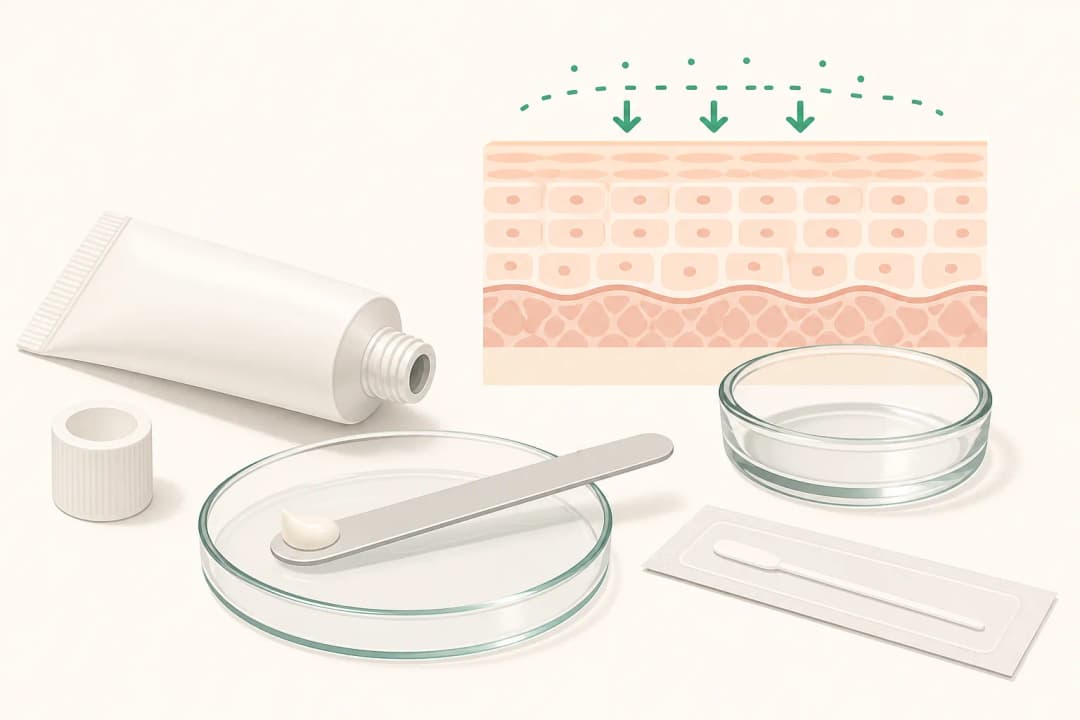
Topical retinoids help prevent blocked pores by encouraging regular shedding of surface skin cells. They are vitamin A-related medicines applied to the skin. They help loosen the buildup of cells inside pores, reduce new comedones and support more even skin texture. Common examples include adapalene and tretinoin. A clinician can select the strength and formulation for your skin and concern.
Does it hurt?
Applying a thin layer should not be painful, although early dryness, stinging, peeling or redness can occur. Starting less often and using a bland moisturiser can make the adjustment easier. Stop and seek clinical advice if burning is marked or swelling develops.
Is it safe?
Topical retinoids are commonly used under medical guidance, but they are not suitable for everyone. Tell your clinician about pregnancy, plans for pregnancy, breastfeeding, eczema, very sensitive skin and all products or medicines you use. Keep the medicine away from eyes, lips and broken skin, and use daytime sun protection.
How long do results last?
Benefits usually depend on continued use because pores can become blocked again when treatment stops. Improvement is gradual rather than immediate. Your clinician may adjust the schedule once the skin is settled, while maintenance use helps preserve clearer texture.
Key facts
Retinoids are most useful for comedones and acne-prone texture, and may be included in a wider plan for pigment or thickened skin. They do not remove every cause of a skin change. Use only the amount and frequency advised.
Who may need it?
A clinician may recommend a topical retinoid for acne, adult acne, comedonal acne, blackheads or whiteheads. It can also be considered for selected cases of razor bumps, large pores, acanthosis nigricans or dark elbows and knees. The right choice depends on diagnosis, location, skin sensitivity and other treatments.
How to use it
Cleanse gently and let the skin dry if your clinician advises. Apply a thin layer to the full treatment area rather than placing extra medicine on individual spots. Wash hands afterwards, avoid nearby mucosal skin, then moisturise. Follow the prescribed schedule; more product does not speed the process.
What to expect while your skin adjusts
Dryness or flaking may appear during the early adjustment period. It often settles as the skin becomes accustomed to treatment. Do not scrub peeling skin or add several irritating products at once. Contact your provider if symptoms persist, worsen or interfere with daily activities.
Risks and precautions
Possible problems include irritation, increased sensitivity, dermatitis and temporary worsening of dryness. Sun exposure can make irritation and dark marks more noticeable. Ask before combining retinoids with exfoliating acids, abrasive scrubs, waxing or other acne medicines.
Alternatives
Depending on the diagnosis, alternatives may include a different retinoid, benzoyl peroxide, an antibiotic medicine, pigment-focused treatment or a simpler skin-care plan. Explore [Adapalene](/materials/adapalene/) and [Tretinoin](/materials/tretinoin/) as material guides.
Finding a provider
A dermatologist can confirm whether blocked pores, acne or another condition is present and tailor the application plan. Bring a list of products and medicines, mention pregnancy or breastfeeding, and describe any previous reaction. You can also read about [Acne](/conditions/acne/) and [Comedonal Acne](/conditions/comedonal-acne/).
Questions people ask
Can I use a retinoid on one spot?
These medicines are generally applied as a thin layer across the advised area because new blockages can form beyond visible spots.
Why is my skin peeling?
Peeling can reflect irritation during adjustment. Reduce use only as directed, moisturise, and contact your clinician if it is severe.
Can I use makeup with it?
Makeup is often possible once the product has absorbed, but choose gentle, non-irritating products and remove them carefully.
Keep reading
Medical disclaimer. This page is general health information, not medical advice, and it cannot diagnose you. Always consult a licensed healthcare provider about your own symptoms and treatment. In an emergency in the UAE, call 998 for an ambulance.