
Asthma controller therapy explained
Short answer
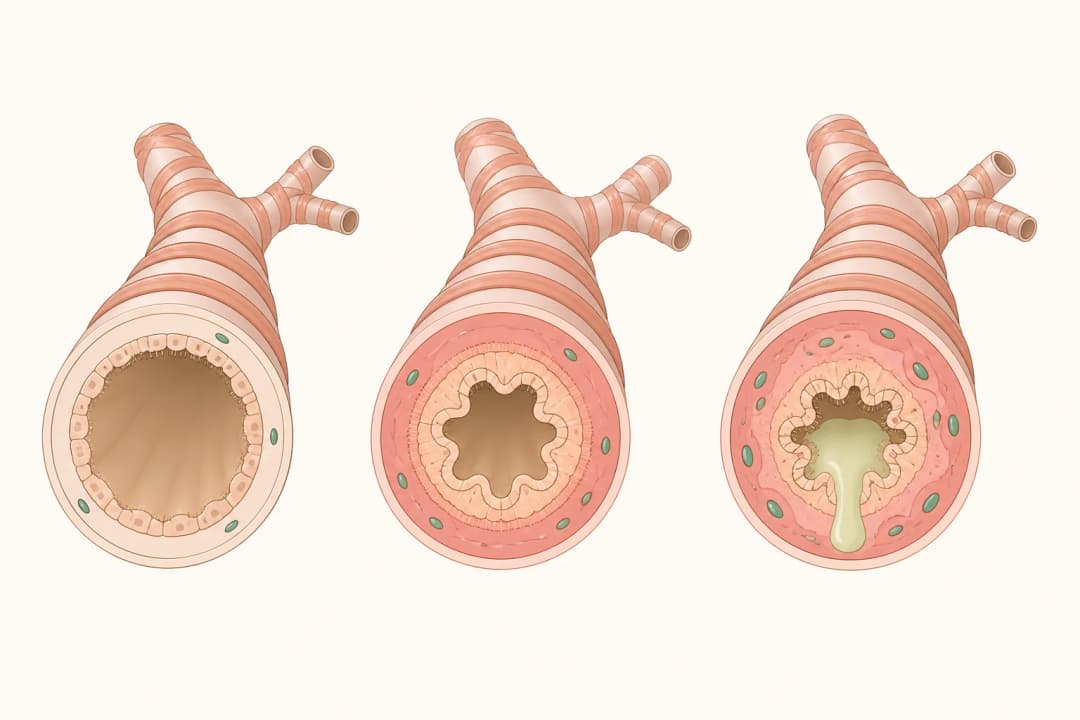
Asthma controller therapy is regular treatment that reduces airway inflammation and sensitivity, helping prevent symptoms and future flare-ups.
This answers one question. It is not a diagnosis and does not replace an assessment by a licensed doctor.
At a glance
- Main aim
- Controllers reduce the airway inflammation and sensitivity behind asthma symptoms.
- Timing
- Regular use is usually needed even when breathing feels normal.
- Technique
- Different inhaler devices require different preparation and breathing patterns.
The purpose of controller therapy
Many controllers are inhaled medicines. They work in the background and may not produce the immediate sensation of relief associated with a reliever inhaler, so their benefit depends on consistent use as prescribed.
How controllers differ from relievers
A controller targets the airway process that makes symptoms and flare-ups more likely. A reliever is used according to the treatment plan to ease tightening of the airway muscles when symptoms occur. Some prescribed inhalers combine medicines and have specific instructions for both regular and symptom-led use.
The correct choice depends on the person’s symptom pattern, flare history, age, other health conditions and ability to use a device. The label and written action plan should make the role of each inhaler clear.
Getting the intended dose
Use the controller at the times written on the prescription, even during symptom-free periods. Have technique observed regularly because device preparation, breathing speed, breath timing and spacer use differ between inhaler types.
Follow device-specific advice about mouth care after an inhaled corticosteroid. Keep track of missed doses and remaining medicine, and request a review if the routine is difficult, side effects are troublesome or the instructions are unclear. Do not share inhalers.
When treatment needs reassessment
Contact the treating clinic if cough, wheeze, tightness, nighttime symptoms or activity limits persist despite regular treatment. Before changing therapy, the clinician may check adherence, technique, trigger exposure and whether another condition is contributing.
Get emergency help for struggling to breathe, difficulty completing sentences, blue or grey colour around the lips, confusion, severe exhaustion, or worsening symptoms that fail to respond to the urgent steps in the written asthma plan.
Points to clarify with your clinician
Ask what each inhaler does, which one to use during symptoms, how missed doses should be handled, what side effects to watch for, and what signs would prompt a treatment adjustment. Request a demonstration using your own device.
Find care
General Clinics & Polyclinics in Abu Dhabi
That answer is general. If you want it applied to your own case, these are licensed general clinics & polyclinics listed in Abu Dhabi.
27 Ar Ruwwad St - Shakhbout City - MSH4 - Abu Dhabi - United Arab Emirates
Accepts: Daman, Thiqa, Cigna, MetLife +20 more
Al Ruwais, Al Dhafrah
Accepts: Daman, Thiqa, AXA, Cigna +16 more
Al Bahyah - Al Bahyah Old - Abu Dhabi - United Arab Emirates
Accepts: Daman, Thiqa, Cigna, Allianz Care +18 more
Abu Dhabi
Accepts: Daman, Thiqa, AXA, Cigna +27 more
Ordered by verification status and how complete each clinic's public record is, then alphabetically. This is a directory listing, not a ranking — Zavis does not rate or recommend providers.
A factual listing drawn from the DHA, DOH and MOHAP licence registers. It is not a referral, an endorsement, or advice that any of these providers is right for you.
Questions people ask
Is a controller inhaler the same as a reliever?
Usually not. Controllers prevent and reduce ongoing airway inflammation, while relievers are used under the plan for prompt symptom relief; some combination inhalers have both roles.
Why take a controller when I have no symptoms?
Asthma-related airway inflammation can persist between noticeable episodes. Regular therapy helps keep that process managed and lowers the chance of deterioration.
Can I change the dose myself?
Follow the written action plan and prescription. If they do not explain a dose change for your situation, contact the treating clinician before altering regular therapy.
Keep reading
Medical disclaimer. This page is general health information, not medical advice, and it cannot diagnose you. Always consult a licensed healthcare provider about your own symptoms and treatment. In an emergency in the UAE, call 998 for an ambulance.