
Text Neck
At a glance
- Also called
- Tech neck or forward head posture
- Common areas
- Neck, shoulders and upper back
- Helpful focus
- Movement breaks, endurance and screen setup
What is text neck?
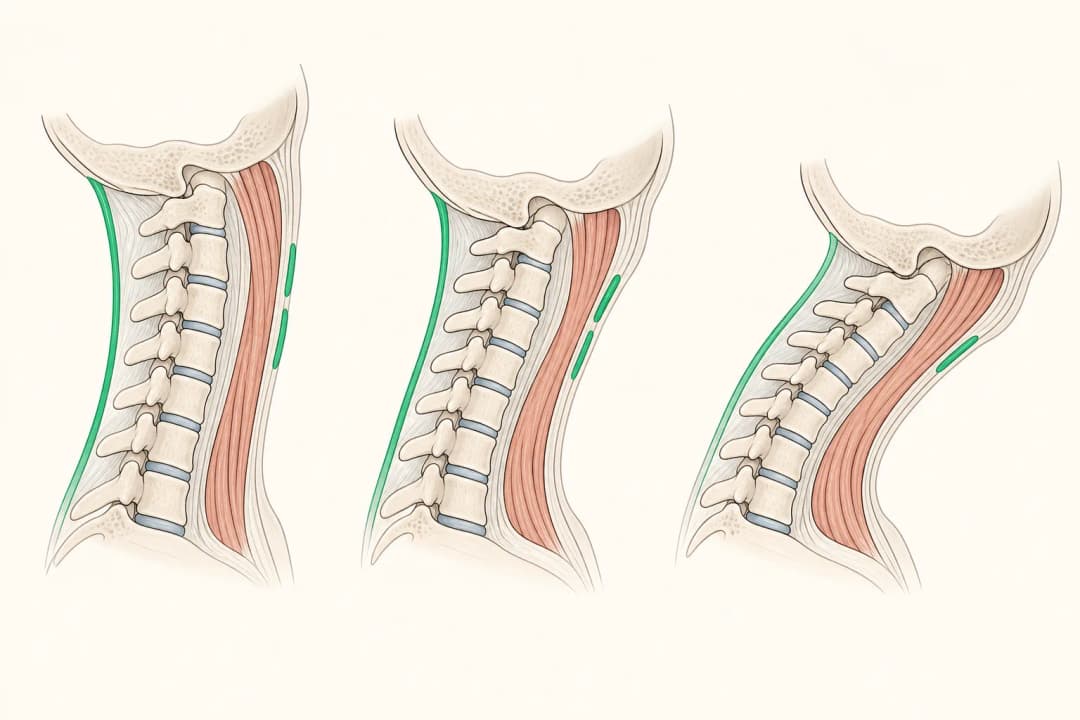
Text neck is a pattern of neck and upper-back strain linked with prolonged forward head and screen use. It is also called tech neck, forward head posture or postural neck strain. Looking down increases the work required from muscles that support the head, while staying in one position reduces the movement that normally distributes load.
Symptoms
Neck pain is a very common presentation of text neck. Neck stiffness and upper-back pain are common presentations too. Symptoms may include aching at the base of the skull, tight shoulders, reduced comfort when turning the head and headaches related to muscle tension. The pattern may worsen after phone use, laptop work or long periods of reading and ease after changing position or moving.
Causes
The main driver is sustained or repeated positioning with the head in front of the trunk, combined with limited breaks. A low screen, unsupported arms, prolonged messaging and working from a sofa can all encourage this posture. Stress, poor sleep and an abrupt increase in screen time may make muscles more sensitive, although posture is only one part of the picture.
Course and progression
Symptoms may begin as end-of-day tightness and become more noticeable during shorter periods of screen use if the neck remains irritated. Alternating positions, taking movement breaks and improving strength can reduce the load on tired muscles. Persistent or spreading symptoms need assessment because not every neck problem is caused by screen posture.
Risk factors
Long uninterrupted screen sessions, a workstation that cannot be adjusted, phone use below eye level and weak upper-back endurance can increase strain. Previous neck pain, limited thoracic movement and poor recovery may also make symptoms easier to trigger. These factors describe exposure and sensitivity, not a definite diagnosis.
Diagnosis
Assessment focuses on the symptom pattern, work and device habits, sleep and any injury. A clinician checks neck movement, posture, shoulder and upper-back control, strength, sensation and reflexes. Imaging is usually considered only when the history or examination suggests another problem, such as significant injury or nerve involvement. Pain radiating into an arm, loss of strength or changes in balance should be mentioned promptly.
Treatment options
Treatment usually combines movement, strengthening and practical changes. Physiotherapy may improve neck and upper-back mobility, endurance and control. Postural correction therapy can help you practise more comfortable alignment without trying to hold a rigid position all day. A workplace ergonomic assessment can adjust screen height, chair support, keyboard position and task layout. Chiropractic adjustment may be considered by some patients after an appropriate assessment, with suitability discussed individually.
Living with it
Change position before discomfort builds: raise the screen, support the forearms and alternate sitting with standing or walking. Hold a phone nearer eye level when practical, and use voice input for longer messages. Gentle neck movement during breaks is often more sustainable than forcing a single ideal posture.
Possible complications
Ongoing strain can lead to recurring pain, reduced neck movement, headaches or avoidance of normal activity. Guarding the neck may also increase shoulder and upper-back tension. Seek prompt clinical advice for arm weakness, persistent numbness, severe headache, fever, major injury or a sudden change in symptoms.
Prevention
Set up screens so you can look ahead, keep frequently used items close and interrupt static work with brief movement. Build upper-back and neck endurance gradually, and vary device use across the day. A flexible posture that changes often is generally more practical than trying to maintain one fixed position.
Finding a specialist
A physiotherapist, orthopedist or other musculoskeletal clinician can assess neck pain related to work and device habits. Bring details of your usual screen setup, daily tasks, sleep position, symptom timing and any arm symptoms.
Questions people ask
Does text neck mean my posture is permanently damaged?
No. Symptoms commonly relate to load and sensitivity, and changing positions, building endurance and adjusting tasks can improve comfort.
When is neck pain more urgent?
Seek prompt assessment for arm weakness, persistent numbness, balance changes, severe headache, fever or pain after a major injury.
Related
Related reading
Keep reading
Find care
Physiotherapy & Rehabilitation in Dubai
Where text neck is assessed depends on what is causing it. These are licensed physiotherapy & rehabilitation listed in Dubai.
Office 1510, SIT Tower, Dubai Silicon Oasis, Dubai, United Arab Emirates
Accepts: Daman, Thiqa, AXA, Cigna +23 more
- Physio Expert DubaiVerified
Renew and Revive Polyclinic, Al Wasl Rd, opposite J3 Mall, Umm Suqeim 2, Dubai, United Arab Emirates
Accepts: Insurance accepted
Kent Healthcare LLC, Nashwan Building - 208C Al Mankhool Rd, Al Raffa, Dubai, United Arab Emirates
Accepts: Thiqa, AXA, Cigna, MetLife +23 more
Index Building, Nad Al Hamar Road, Dubai Festival City, Dubai
Accepts: Thiqa, AXA, Cigna, MetLife +30 more
Ordered by verification status and how complete each clinic's public record is, then alphabetically. This is a directory listing, not a ranking — Zavis does not rate or recommend providers.
A factual listing drawn from the DHA, DOH and MOHAP licence registers. It is not a referral, an endorsement, or advice that any of these providers is right for you.
Medical disclaimer. This page is general health information, not medical advice, and it cannot diagnose you. Always consult a licensed healthcare provider about your own symptoms and treatment. In an emergency in the UAE, call 998 for an ambulance.