
World COPD Day: what you should know
Short answer
World COPD Day encourages people to recognise ongoing breathing symptoms and seek assessment for chronic obstructive pulmonary disease.
This answers one question. It is not a diagnosis and does not replace an assessment by a licensed doctor.
At a glance
- Condition
- A long-term condition affecting airflow
- Assessment
- Symptoms, examination, and sometimes spirometry
- Useful preparation
- A record of symptom changes and inhaler use
Understanding COPD
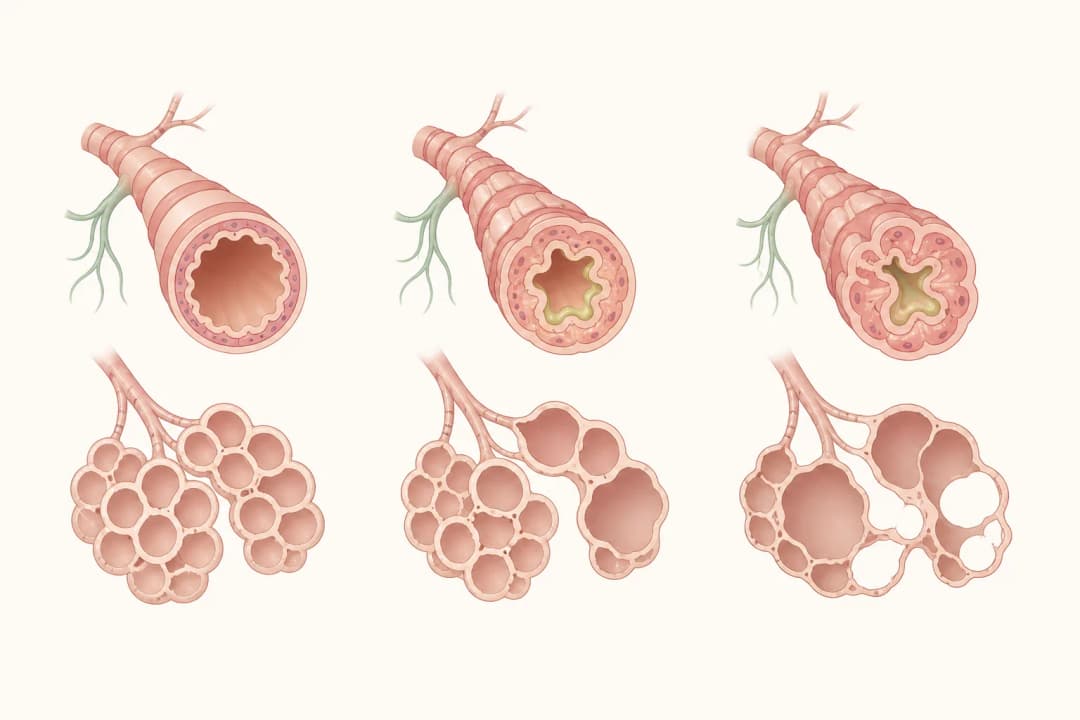
COPD is a long-term lung condition in which airflow is persistently limited. Smoking is a frequent cause, although other inhaled irritants and exposures can contribute. Symptoms may include breathlessness during activity, a continuing cough, wheezing, chest tightness, and bringing up phlegm. COPD commonly presents with these breathing symptoms, but each symptom can also have other causes.
Symptoms can change gradually, which can make it easy to adjust daily activities without noticing how much breathing has changed. A review helps establish the cause and identify support that fits the person’s symptoms and routine.
Steps that support lung health
Arrange a clinical review for a persistent cough, wheeze, phlegm, or breathlessness that interferes with ordinary activity. Spirometry is a breathing test that measures how air moves out of the lungs and may help assess COPD. Bring details of symptoms, smoking or work exposures, medicines, and previous chest illnesses to the appointment.
If you smoke, stopping can reduce further smoke exposure to the lungs. Support programmes can help with a quit plan, withdrawal symptoms, and relapse prevention. Use inhalers only as prescribed and ask a clinician to check your technique.
When breathing needs prompt attention
Seek urgent medical care for severe or rapidly worsening breathlessness, blue or grey lips, new confusion, chest pain, coughing blood, or difficulty speaking because of breathlessness. Contact a clinician promptly when a usual cough or phlegm changes markedly, fever develops with breathing symptoms, or prescribed treatment is no longer giving usual relief.
Questions to ask
Ask whether spirometry is appropriate, what may be causing your symptoms, and how to use each inhaler. If you smoke, ask which quitting support suits your previous attempts and daily triggers.
Find care
General Clinics & Polyclinics in Abu Dhabi
That answer is general. If you want it applied to your own case, these are licensed general clinics & polyclinics listed in Abu Dhabi.
27 Ar Ruwwad St - Shakhbout City - MSH4 - Abu Dhabi - United Arab Emirates
Accepts: Daman, Thiqa, Cigna, MetLife +20 more
Al Ruwais, Al Dhafrah
Accepts: Daman, Thiqa, AXA, Cigna +16 more
Al Bahyah - Al Bahyah Old - Abu Dhabi - United Arab Emirates
Accepts: Daman, Thiqa, Cigna, Allianz Care +18 more
Abu Dhabi
Accepts: Daman, Thiqa, AXA, Cigna +27 more
Ordered by verification status and how complete each clinic's public record is, then alphabetically. This is a directory listing, not a ranking — Zavis does not rate or recommend providers.
A factual listing drawn from the DHA, DOH and MOHAP licence registers. It is not a referral, an endorsement, or advice that any of these providers is right for you.
Questions people ask
Does a long-lasting cough confirm COPD?
No. COPD commonly presents with a continuing cough, but a cough has several possible causes and needs clinical assessment when it persists or changes.
What happens during spirometry?
You breathe into a device following coached instructions. The measurement helps a clinician assess airflow and discuss the result with you.
Keep reading
Medical disclaimer. This page is general health information, not medical advice, and it cannot diagnose you. Always consult a licensed healthcare provider about your own symptoms and treatment. In an emergency in the UAE, call 998 for an ambulance.