
Ventilator-associated pneumonia explained
Short answer
Ventilator-associated pneumonia is an infection in the lungs that develops during ventilator support and requires assessment by the hospital team.
This answers one question. It is not a diagnosis and does not replace an assessment by a licensed doctor.
At a glance
- What it is
- A lung infection arising during ventilator support
- How it is assessed
- Symptoms, examination, oxygen needs, samples and chest imaging
- Who acts
- The intensive-care or hospital team manages diagnosis and treatment
Why it can develop
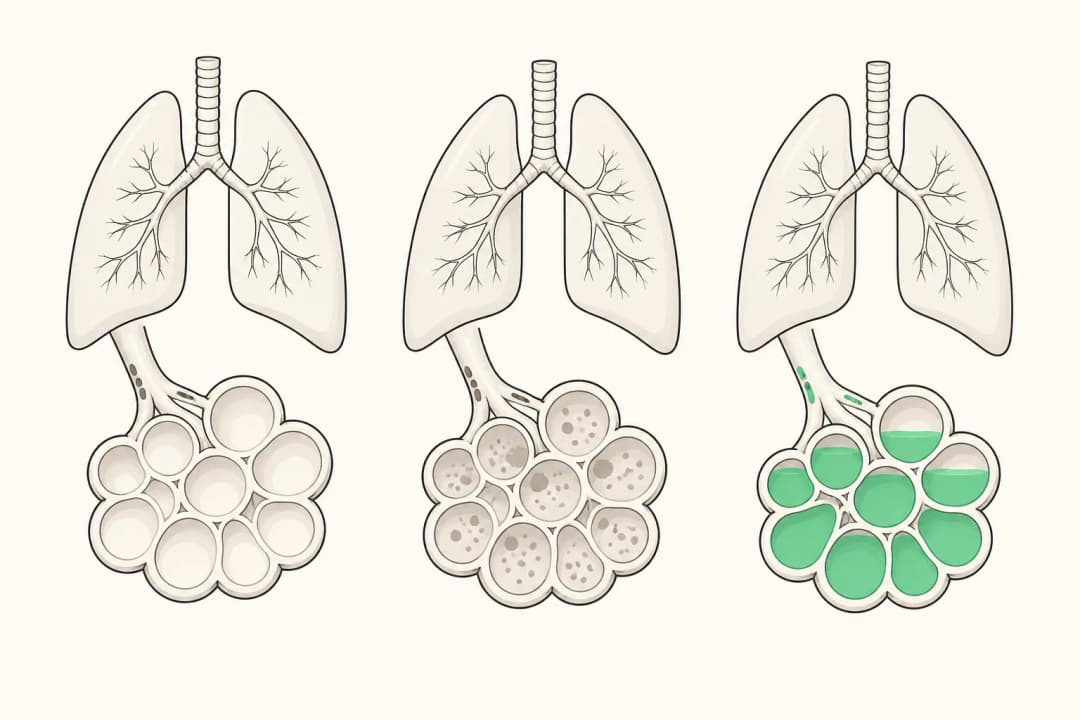
The tube used for ventilation passes beyond the usual upper-airway barriers. Secretions can gather around it and germs may move into the lungs. The risk is influenced by the reason for ventilation, the person’s general condition, swallowing and cough reflexes, and how long respiratory support is needed.
A new infiltrate on imaging may be considered alongside fever, changes in phlegm, cough, breathing examination and increased oxygen or ventilator requirements. People who are sedated or already seriously ill may not show a typical cough. Similar findings can arise from viral infection, fluid in the lungs or the original illness, so clinicians use several pieces of information.
Assessment and treatment
Clinicians may take a sample from the airways, check blood tests and review chest imaging. If bacterial pneumonia is suspected, antibiotics may start promptly and later be refined when test information returns. The team also adjusts oxygen and ventilator settings, clears secretions and treats problems affecting blood pressure or other organs.
Prevention includes careful hand hygiene, mouth care, head and body positioning, safe management of secretions and daily review of whether ventilator support is still needed. Relatives should not alter the tube, offer oral drinks or give medicines without the bedside team’s permission.
When to alert the team
Tell the bedside nurse or doctor at once if there is a new fever, chills, worsening cough, thicker or discoloured phlegm, increased work of breathing or a change in alertness. Blue or grey lips, severe breathlessness, confusion, fainting or rapidly worsening weakness are emergencies and may accompany sepsis.
Useful questions
What makes pneumonia more likely in this case? Which tests are being used? How are the antibiotics being reviewed? What changes in oxygen or ventilator support would show improvement, and what complications are you watching for?
Find care
General Clinics & Polyclinics in Abu Dhabi
That answer is general. If you want it applied to your own case, these are licensed general clinics & polyclinics listed in Abu Dhabi.
27 Ar Ruwwad St - Shakhbout City - MSH4 - Abu Dhabi - United Arab Emirates
Accepts: Daman, Thiqa, Cigna, MetLife +20 more
Al Ruwais, Al Dhafrah
Accepts: Daman, Thiqa, AXA, Cigna +16 more
Al Bahyah - Al Bahyah Old - Abu Dhabi - United Arab Emirates
Accepts: Daman, Thiqa, Cigna, Allianz Care +18 more
Abu Dhabi
Accepts: Daman, Thiqa, AXA, Cigna +27 more
Ordered by verification status and how complete each clinic's public record is, then alphabetically. This is a directory listing, not a ranking — Zavis does not rate or recommend providers.
A factual listing drawn from the DHA, DOH and MOHAP licence registers. It is not a referral, an endorsement, or advice that any of these providers is right for you.
Questions people ask
Does every fever on a ventilator mean pneumonia?
No. Fever can have several causes, so the team considers examination, imaging, respiratory samples and changes in oxygen needs.
What treatment is used?
When bacterial infection is suspected, antibiotics are combined with ventilator support, oxygen management and secretion care.
Medical disclaimer. This page is general health information, not medical advice, and it cannot diagnose you. Always consult a licensed healthcare provider about your own symptoms and treatment. In an emergency in the UAE, call 998 for an ambulance.