
What should you know about things for constipation?
Short answer
Constipation often improves with gradual fibre, adequate fluids, regular movement and a toilet routine, but persistent or alarming symptoms need assessment.
This answers one question. It is not a diagnosis and does not replace an assessment by a licensed doctor.
At a glance
- Common features
- Hard stools, straining, bloating or incomplete emptying
- First steps
- Gradual fibre, suitable fluids, movement and a regular toilet routine
The short answer
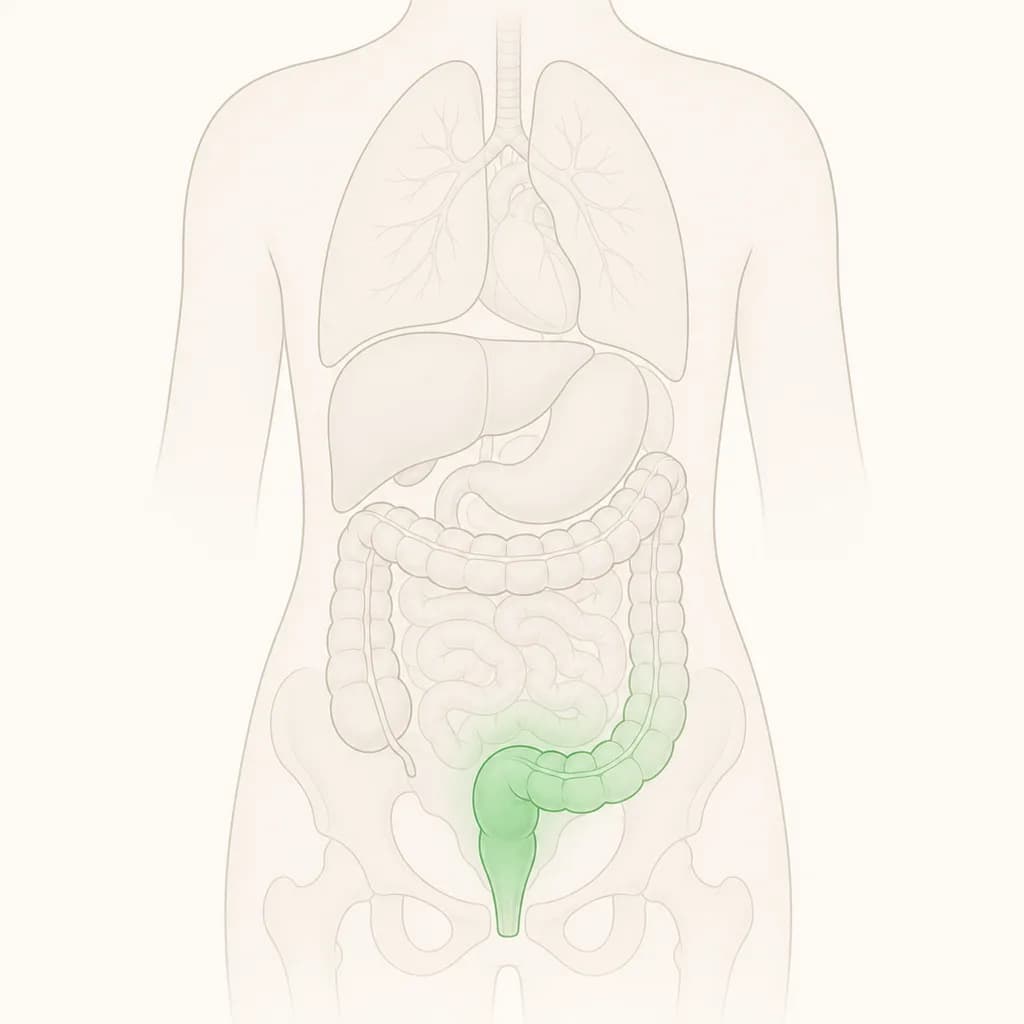
Constipation often improves with gradual fibre, adequate fluids, regular movement and a toilet routine, but persistent or alarming symptoms need assessment. Hard stools, straining, bloating or incomplete emptying can happen when bowel movement slows or stool becomes too dry.
Why constipation happens
Common contributors include a low-fibre diet, not drinking enough, reduced activity, ignoring the urge to open your bowels and changes in routine. Some medicines can slow the bowel. Constipation may occur alongside irritable bowel syndrome or diverticular disease, while an underactive thyroid can also slow body processes. The symptom does not by itself show which cause is present.
Helpful measures
Increase fibre gradually through vegetables, fruit, beans and whole grains so your bowel has time to adjust. Drink regularly unless a clinician has told you to restrict fluids. Walking and other comfortable activity can support bowel movement. Try sitting on the toilet after a meal, allow time, and use a footstool if it helps your knees sit above your hips. A pharmacist can explain whether a short course of a laxative is appropriate, particularly if you take other medicines or have a medical condition.
When to seek care
Seek prompt medical advice for constipation that persists, keeps returning, or begins with a marked change in bowel habit. Get urgent help for severe or worsening abdominal pain, repeated vomiting, a swollen abdomen, inability to pass stool or gas, black stools, or visible blood. These features can signal a problem needing examination rather than home treatment. Do not keep adding laxatives when pain, vomiting or blockage symptoms are present.
Questions for your doctor
Could a medicine, thyroid problem or bowel condition be contributing? How much fibre and fluid is suitable for me? Which laxative, if any, fits my symptoms and medicines? What change in bowel habit should I report?
Find care
General Clinics & Polyclinics in Abu Dhabi
That answer is general. If you want it applied to your own case, these are licensed general clinics & polyclinics listed in Abu Dhabi.
27 Ar Ruwwad St - Shakhbout City - MSH4 - Abu Dhabi - United Arab Emirates
Accepts: Daman, Thiqa, Cigna, MetLife +20 more
Al Ruwais, Al Dhafrah
Accepts: Daman, Thiqa, AXA, Cigna +16 more
Al Bahyah - Al Bahyah Old - Abu Dhabi - United Arab Emirates
Accepts: Daman, Thiqa, Cigna, Allianz Care +18 more
Abu Dhabi
Accepts: Daman, Thiqa, AXA, Cigna +27 more
Ordered by verification status and how complete each clinic's public record is, then alphabetically. This is a directory listing, not a ranking — Zavis does not rate or recommend providers.
A factual listing drawn from the DHA, DOH and MOHAP licence registers. It is not a referral, an endorsement, or advice that any of these providers is right for you.
Questions people ask
Can I increase fibre quickly?
A gradual increase is usually more comfortable; adding fibre suddenly can worsen bloating, especially if fluid intake is low.
When should constipation be checked?
Arrange assessment for persistent or recurring symptoms, a marked bowel-habit change, blood, vomiting or severe abdominal pain.
Related
Related reading
Keep reading
Medical disclaimer. This page is general health information, not medical advice, and it cannot diagnose you. Always consult a licensed healthcare provider about your own symptoms and treatment. In an emergency in the UAE, call 998 for an ambulance.