
Constipation: Causes, Assessment and Relief
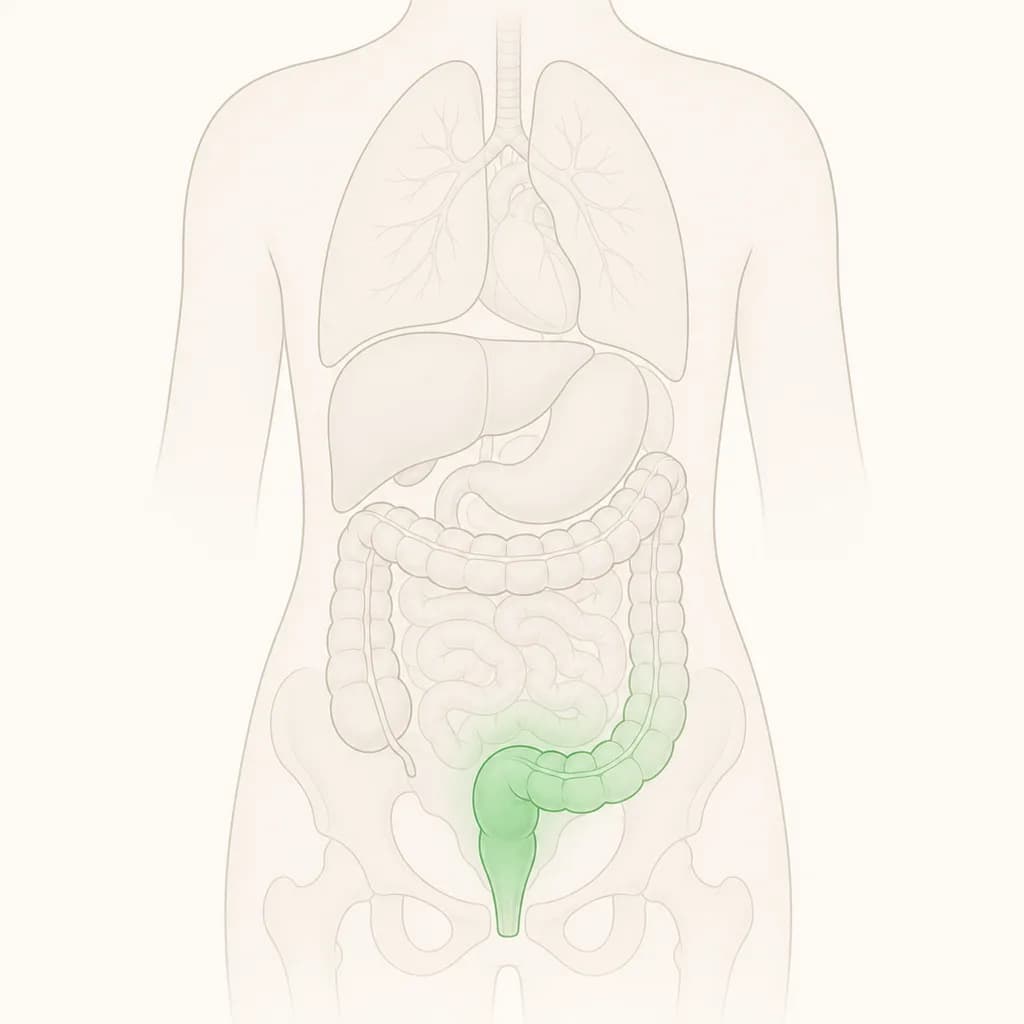
At a glance
- Key feature
- A change in ease, frequency or completeness of bowel movements
- Self-care
- Fluids, gradual fibre changes and regular toileting may help
- Prompt review
- Needed for bleeding, severe pain, vomiting or persistent change
What constipation can feel like
Constipation involves passing stools less comfortably or less easily than is normal for you, often with hard stools or straining.
You may feel that the bowel has not emptied fully, need to push for a long time, or have bloating and lower abdominal discomfort. A change from your own usual pattern matters more than comparing your routine with someone else's. Pain when opening the bowels can occur if hard stool irritates the anal area. Children, older adults, pregnant people, and people taking regular medicines may describe the problem differently.
When to get medical help quickly
Seek urgent care for severe or worsening abdominal pain, repeated vomiting, a swollen abdomen, inability to pass stool or gas, fainting, or a large amount of blood from the rectum. Arrange a prompt medical review for constipation with unexplained weight loss, fever, persistent rectal bleeding, a new marked change in bowel habit, or symptoms that are not settling. Babies and young children with feeding problems, vomiting, or a distended tummy need timely clinical assessment.
Factors that may contribute
Constipation can develop when stool moves slowly through the bowel or when there is not enough fluid in it. Dehydration, a low-fibre diet, reduced activity, ignoring the urge to open the bowels, travel, and a change in routine can contribute. Some pain medicines, iron supplements, and other prescribed medicines may also affect bowel movement. Anal fissure or haemorrhoids can make bowel movements painful, while hypothyroidism, irritable bowel syndrome, and diverticular disease may be considered in the right clinical context. This list is not a ranking of causes.
What happens during assessment
A clinician may ask about your usual bowel pattern, stool appearance, diet, fluids, activity, toileting habits, pregnancy, medicines, and symptoms such as bleeding or pain. Examination of the abdomen may be followed by an examination of the rectal area when appropriate. Tests are chosen from the history and may include blood tests for conditions such as hypothyroidism, or other investigations when warning signs or persistent changes need explanation. Tell the clinician about laxatives and herbal products, as these can influence the plan.
Relief and cause-based treatment
For uncomplicated constipation, regular fluids, gradual fibre changes, movement, and setting aside unhurried toilet time can help. A pharmacist or clinician may recommend a laxative for short-term use, selected for your situation; follow the product and clinical instructions. When pain from an anal fissure or haemorrhoids leads you to delay bowel movements, treating the pain and keeping stools soft can be part of care. If testing finds hypothyroidism, treatment may include thyroid hormone replacement. Persistent symptoms need review rather than repeated self-treatment.
Building a steadier bowel routine
Respond to the urge to open your bowels instead of repeatedly postponing it. Add fibre-containing foods gradually and drink regularly, especially when increasing fibre. Walking or other suitable daily movement can support bowel motility. During travel or busy periods, plan access to fluids and toilet breaks. Nutrition counselling can offer practical adjustments when food choices, appetite, a restricted diet, or a health condition makes this difficult.
Symptoms to mention at your appointment
Note how long the change has lasted and whether stools are hard, painful, unusually narrow, or mixed with blood. Also mention nausea, appetite change, bloating, fatigue, pelvic symptoms, or a feeling of blockage. A simple record of bowel movements, food, fluids, and medicines can reveal patterns that are hard to remember in a consultation.
Problems that can follow ongoing constipation
Hard stools and straining can aggravate haemorrhoids or cause a painful anal fissure. Prolonged constipation can also lead to stool build-up that is harder to pass and may need medical treatment. Early attention to a persistent change can reduce discomfort and help identify a contributing condition or medicine.
Find care
General Clinics & Polyclinics in Abu Dhabi
Where constipation: causes, assessment and relief is assessed depends on what is causing it. These are licensed general clinics & polyclinics listed in Abu Dhabi.
27 Ar Ruwwad St - Shakhbout City - MSH4 - Abu Dhabi - United Arab Emirates
Accepts: Daman, Thiqa, Cigna, MetLife +20 more
Al Ruwais, Al Dhafrah
Accepts: Daman, Thiqa, AXA, Cigna +16 more
Al Bahyah - Al Bahyah Old - Abu Dhabi - United Arab Emirates
Accepts: Daman, Thiqa, Cigna, Allianz Care +18 more
Abu Dhabi
Accepts: Daman, Thiqa, AXA, Cigna +27 more
Ordered by verification status and how complete each clinic's public record is, then alphabetically. This is a directory listing, not a ranking — Zavis does not rate or recommend providers.
A factual listing drawn from the DHA, DOH and MOHAP licence registers. It is not a referral, an endorsement, or advice that any of these providers is right for you.
Questions people ask
Is it safe to use a laxative for constipation?
A laxative may be suitable for short-term relief, but the choice depends on your symptoms, other medicines and health conditions. Ask a pharmacist or clinician for advice if symptoms persist or you need repeated treatment.
Can changing my diet make constipation worse at first?
A sudden large increase in fibre can cause wind or bloating for some people. Increase fibre gradually and drink regularly; seek advice if discomfort is significant or constipation continues.
Related
Related reading
Keep reading
Medical disclaimer. This page is general health information, not medical advice, and it cannot diagnose you. Always consult a licensed healthcare provider about your own symptoms and treatment. In an emergency in the UAE, call 998 for an ambulance.