
What should you know about pneumonia ncbi?
Short answer
Pneumonia is an infection and inflammation of the lungs, and understanding its symptoms and warning signs helps you choose the right level of care.
This answers one question. It is not a diagnosis and does not replace an assessment by a licensed doctor.
At a glance
- Organ involved
- Lungs
- Assessment
- History, examination, and selected tests
- Watch for
- Breathing or alertness changes
What pneumonia involves
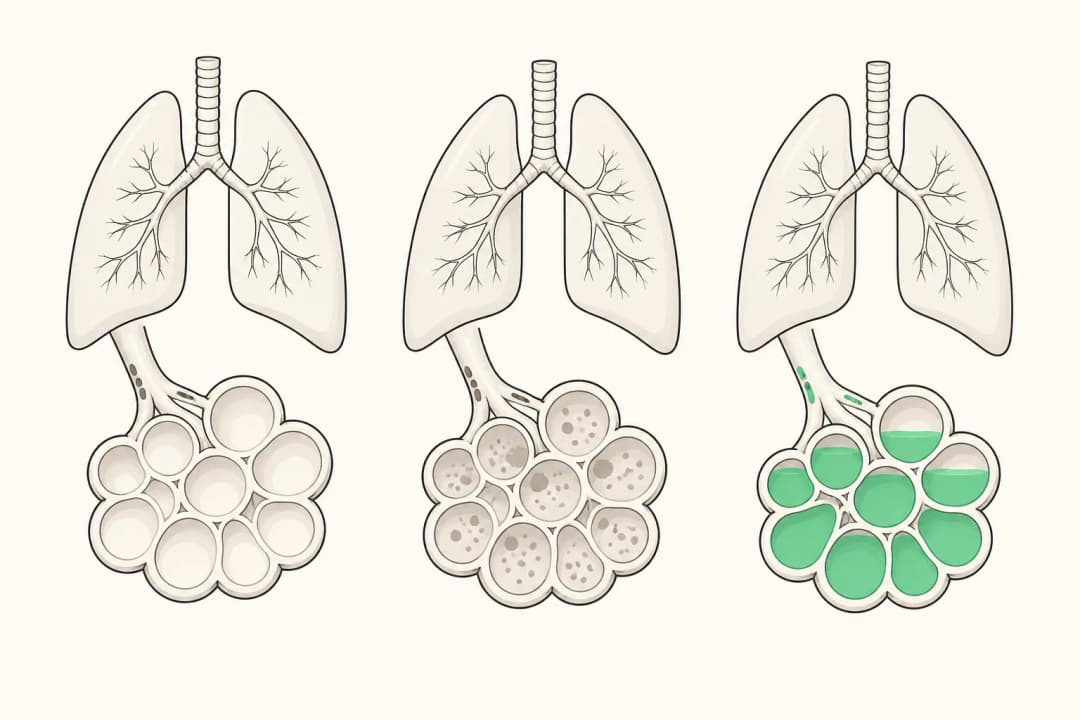
Inside the lungs, inflammation can make the air sacs less effective at moving oxygen. Pneumonia may follow infection with bacteria or viruses, and symptoms can differ between people. Cough, fever, chills, phlegm, tiredness, and breathlessness are common presentations, while some people mainly show reduced energy or confusion. A clinician may assess breathing, listen to the chest, check oxygen, and decide whether imaging or other tests are appropriate. A test result is interpreted alongside the examination; no single symptom or image explains every case. Influenza and COVID-19 can produce respiratory symptoms and may overlap with pneumonia, which is why the history and examination matter.
Care and monitoring
Contact a healthcare professional when breathing symptoms are new, persistent, or worsening. Follow the treatment plan and take prescribed medicines as directed. Antibiotics are useful for selected bacterial infections, not for every cause of pneumonia. Rest, drink fluids as tolerated, and avoid smoke. Note changes in breathing, alertness, chest pain, and ability to eat or drink. People with chronic heart or lung disease, pregnancy, immune suppression, or frailty should seek advice early because they may need closer monitoring.
Urgent warning signs
Seek emergency help for severe difficulty breathing, blue or grey lips, collapse, severe confusion, or inability to wake. Prompt assessment is also needed for coughing blood, severe chest pain, inability to keep fluids down, or sudden deterioration. Sepsis can develop as a serious response to infection; marked weakness, clammy skin, or rapidly changing mental state needs immediate attention.
Questions to bring
Ask what cause is suspected, whether your oxygen level or a chest X-ray should be checked, which treatments are appropriate, and what recovery signs to expect. Clarify who to contact if symptoms worsen and when follow-up should happen.
Find care
General Clinics & Polyclinics in Abu Dhabi
That answer is general. If you want it applied to your own case, these are licensed general clinics & polyclinics listed in Abu Dhabi.
27 Ar Ruwwad St - Shakhbout City - MSH4 - Abu Dhabi - United Arab Emirates
Accepts: Daman, Thiqa, Cigna, MetLife +20 more
Al Ruwais, Al Dhafrah
Accepts: Daman, Thiqa, AXA, Cigna +16 more
Al Bahyah - Al Bahyah Old - Abu Dhabi - United Arab Emirates
Accepts: Daman, Thiqa, Cigna, Allianz Care +18 more
Abu Dhabi
Accepts: Daman, Thiqa, AXA, Cigna +27 more
Ordered by verification status and how complete each clinic's public record is, then alphabetically. This is a directory listing, not a ranking — Zavis does not rate or recommend providers.
A factual listing drawn from the DHA, DOH and MOHAP licence registers. It is not a referral, an endorsement, or advice that any of these providers is right for you.
Questions people ask
What is the first step when pneumonia is suspected?
A clinician should assess your symptoms and breathing, then decide whether examination, oxygen measurement, imaging, or treatment is needed.
Can pneumonia symptoms overlap with influenza?
Yes. Influenza and pneumonia can share fever, cough, chills, and tiredness, so assessment may be needed to distinguish them.
Medical disclaimer. This page is general health information, not medical advice, and it cannot diagnose you. Always consult a licensed healthcare provider about your own symptoms and treatment. In an emergency in the UAE, call 998 for an ambulance.