
Hepatitis and AST levels: understanding the blood test
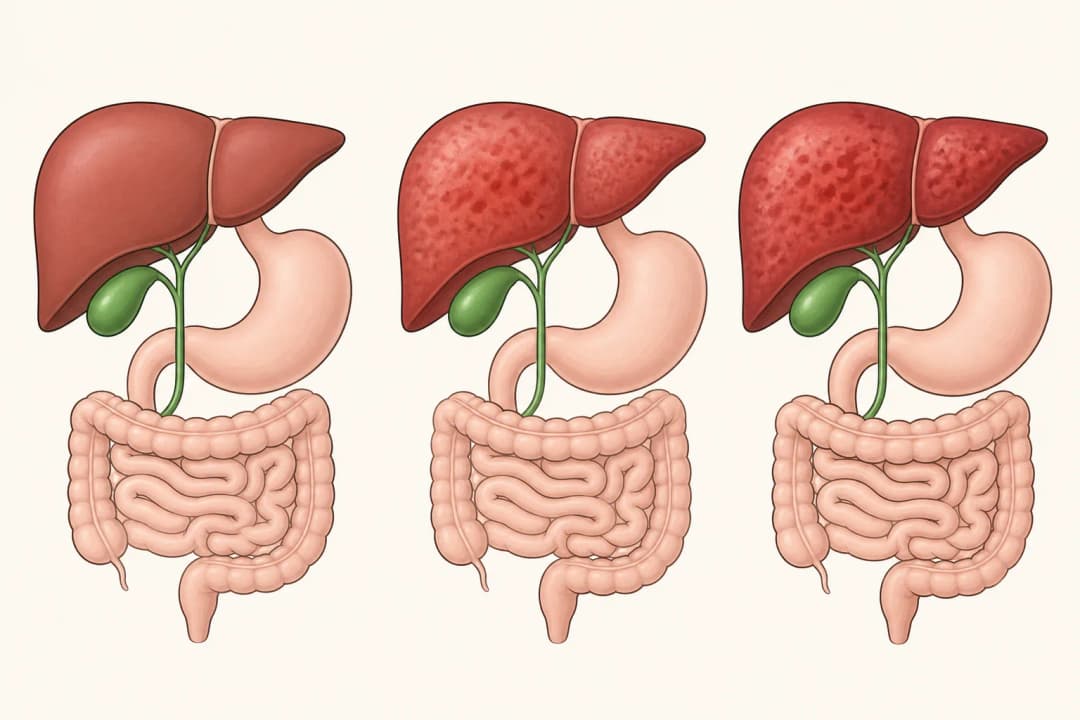
Short answer
AST levels can signal cell irritation or injury, but they cannot diagnose hepatitis or identify its cause alone.
This answers one question. It is not a diagnosis and does not replace an assessment by a licensed doctor.
At a glance
- AST
- An enzyme found in liver and other tissues
- Raised result
- A clue that needs a cause-specific assessment
- Best reading
- Interpreted with other tests and symptoms
What AST measures
AST is an enzyme released when cells are irritated or injured. It is present in the liver as well as muscles and other tissues, so a raised AST can have several explanations. The result is interpreted with ALT, bilirubin, other parts of a Liver Function Test, medicines, alcohol history, recent strenuous activity, and examination findings.
Hepatitis A may occur with feeling generally unwell, nausea, loss of appetite, or dark urine, but AST does not establish that hepatitis A is the cause. A value within a laboratory range also does not replace clinical assessment when symptoms are concerning.
How to follow up
Review the result with the clinician who requested it and ask which laboratory range applies. Bring a list of medicines, supplements, alcohol use, recent illness, and intense exercise. Depending on the pattern, your clinician may repeat blood tests, order viral markers, or examine other possible sources of AST. Avoid starting or stopping medicines without advice.
When to seek care quickly
Seek prompt advice for yellow skin or eyes, new dark urine, severe abdominal pain, repeated vomiting, confusion, or unusual drowsiness. Go for urgent assessment if you feel faint or cannot maintain fluids. The urgency comes from symptoms and overall condition, not from one AST value viewed alone.
Ask at your appointment
How does my AST compare with ALT and bilirubin? Could medicines, supplements, muscle strain, or recent illness affect it? Should I repeat the Liver Function Test or have hepatitis marker testing?
Find care
General Clinics & Polyclinics in Abu Dhabi
That answer is general. If you want it applied to your own case, these are licensed general clinics & polyclinics listed in Abu Dhabi.
27 Ar Ruwwad St - Shakhbout City - MSH4 - Abu Dhabi - United Arab Emirates
Accepts: Daman, Thiqa, Cigna, MetLife +20 more
Al Ruwais, Al Dhafrah
Accepts: Daman, Thiqa, AXA, Cigna +16 more
Al Bahyah - Al Bahyah Old - Abu Dhabi - United Arab Emirates
Accepts: Daman, Thiqa, Cigna, Allianz Care +18 more
Abu Dhabi
Accepts: Daman, Thiqa, AXA, Cigna +27 more
Ordered by verification status and how complete each clinic's public record is, then alphabetically. This is a directory listing, not a ranking — Zavis does not rate or recommend providers.
A factual listing drawn from the DHA, DOH and MOHAP licence registers. It is not a referral, an endorsement, or advice that any of these providers is right for you.
Questions people ask
Does a raised AST prove hepatitis?
No. AST can rise from liver or non-liver causes, so other information is needed.
Can symptoms change the interpretation?
Yes. Symptoms such as dark urine or jaundice can alter how urgently the result is assessed.
Related
Related reading
Keep reading
Medical disclaimer. This page is general health information, not medical advice, and it cannot diagnose you. Always consult a licensed healthcare provider about your own symptoms and treatment. In an emergency in the UAE, call 998 for an ambulance.