
Hepatitis A: symptoms, care and prevention
Updated
At a glance
- Cause
- Hepatitis A virus
- Main organ affected
- Liver
- Long-term infection
- It does not become chronic
- Prevention
- Vaccination and hand hygiene
What hepatitis A does to the liver
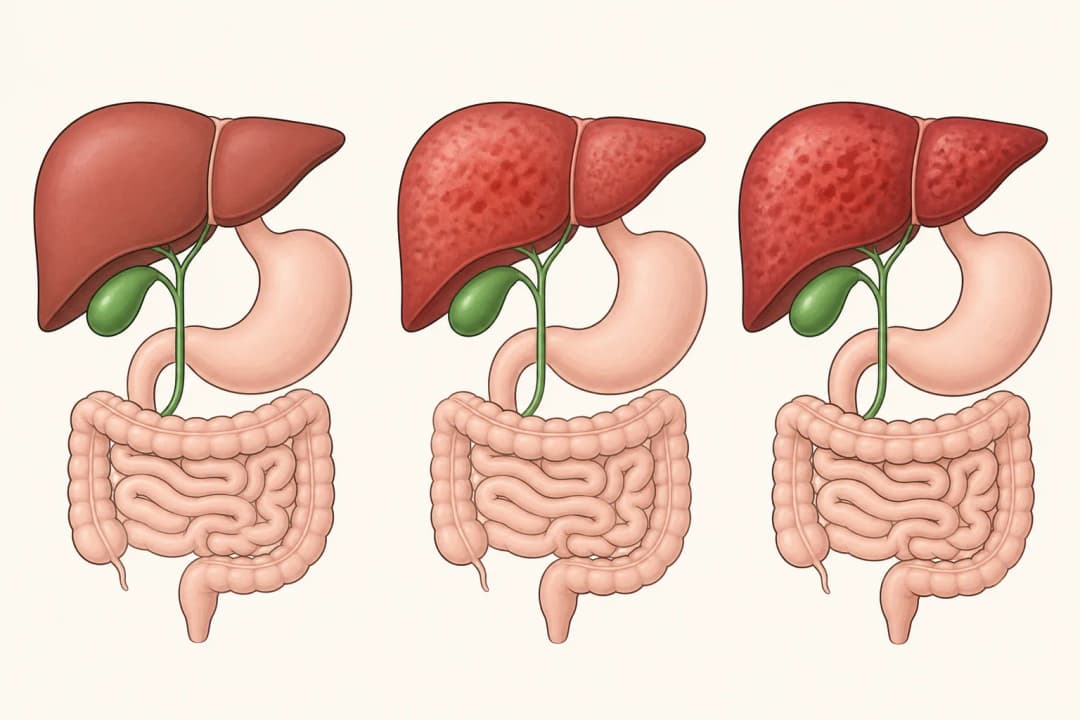
Hepatitis A is a viral infection that causes liver inflammation. The virus is commonly passed when food, water or hands become contaminated with tiny amounts of stool from an infected person. It does not become a long-term liver infection, but the illness can leave someone tired and unwell while the liver recovers.
Hepatitis A is a viral liver infection that usually improves with rest, fluids and medical guidance.
Symptoms that can develop
Some people have no noticeable symptoms, while others develop a flu-like feeling, reduced appetite, nausea, abdominal discomfort, dark urine or yellowing of the skin and eyes. Dark urine and jaundice are very common presentations of hepatitis A; feeling generally unwell, loss of appetite and nausea are common presentations.
Contact a clinician promptly for jaundice, dark urine, persistent vomiting, confusion, severe abdominal pain, or trouble keeping fluids down.
How infection spreads
The virus can spread through close household contact, preparing food without careful handwashing, contaminated food or water, and some sexual contact. A person may pass the virus before recognising that they are ill. Careful hand hygiene after using the toilet and before handling food interrupts this route of spread.
Course and recovery
Illness can begin gradually and may change from stomach upset and tiredness to jaundice. Recovery is generally supported by rest, regular fluids and avoiding activities that worsen exhaustion. A clinician may monitor recovery when symptoms are significant or liver tests remain abnormal.
Situations that increase exposure
Exposure is more likely during travel where sanitation is uncertain, close contact with an infected person, outbreaks linked to food, or work and living settings where hygiene is difficult to maintain. People with existing liver disease should seek clinical advice quickly if they develop symptoms consistent with hepatitis.
How clinicians check for hepatitis A
A clinician asks about symptoms, recent travel, foods, contacts and medicines, then examines for signs of liver illness. Blood tests can look for infection and show how the liver is responding. A liver function test can help follow inflammation and recovery, alongside other tests selected for the situation.
Treatment and home care
There is no specific antiviral treatment routinely used for hepatitis A. Care focuses on fluids, small meals if appetite is low, rest and symptom relief recommended by a clinician. Avoid alcohol and check before using pain medicines, herbal products or supplements, because the recovering liver may be more vulnerable.
Protecting people around you
Tell close contacts and follow local public-health advice. Do not prepare food for others while advised to stay away from that work. Separate towels where practical, clean frequently touched bathroom surfaces, and wash hands thoroughly with soap and water after toilet use and before food preparation.
When extra care is needed
Most people recover, but severe liver inflammation can require urgent hospital assessment. Seek urgent help for increasing drowsiness, confusion, unusual bleeding, worsening jaundice, marked weakness, or inability to drink. Existing liver disease can make an acute illness harder to manage.
Prevention
Vaccination can reduce the chance of hepatitis A infection. It may be considered before travel or after a known exposure, depending on individual circumstances and timing. Clean water, well-cooked food and reliable handwashing remain useful safeguards in daily life and while travelling.
Who can help
A primary care clinician can assess new symptoms, arrange blood tests and advise on preventing spread. Referral to a liver specialist may be appropriate when illness is severe, the diagnosis is unclear, recovery is not progressing as expected, or another liver condition is present.
Questions people ask
Can hepatitis A spread through food?
Yes. Food can carry the virus when it is handled by an infected person or exposed to contaminated water. Washing hands with soap and water before preparing food helps reduce spread.
Should I avoid alcohol with hepatitis A?
Yes. Avoid alcohol while you are ill and during recovery unless your clinician gives different advice, because the liver is already inflamed.
Related
Related reading
Keep reading
Find care
General Clinics & Polyclinics in Dubai
Where hepatitis a: symptoms, care and prevention is assessed depends on what is causing it. These are licensed general clinics & polyclinics listed in Dubai.
Elite Business Bay Residence - Shop 03 & 04, 34 Marasi Dr - Business Bay - Dubai - United Arab Emirates
Accepts: Tabby
Airport View Building, Al Garhoud, Dubai
Accepts: Daman, Thiqa, AXA, Cigna +25 more
IBIS Building, 5th Floor, Unit 5003, Deira, Dubai
Accepts: AXA, Cigna, MetLife, Allianz Care +18 more
- Aarna Elite Medical CenterVerified
Madeira Building, Shop 1 & 2, Al Jadaf, Dubai, UAE
Ordered by verification status and how complete each clinic's public record is, then alphabetically. This is a directory listing, not a ranking — Zavis does not rate or recommend providers.
A factual listing drawn from the UAE health regulators' public licence registers. It is not a referral, an endorsement, or advice that any of these providers is right for you.
Medical disclaimer. This page is general health information, not medical advice, and it cannot diagnose you. Always consult a licensed healthcare provider about your own symptoms and treatment. In an emergency in the UAE, call 998 for an ambulance.