
Where does hepatitis A come from?
Short answer
Hepatitis A comes from infection with the hepatitis A virus, usually after contaminated food, water, hands, or close contact.
This answers one question. It is not a diagnosis and does not replace an assessment by a licensed doctor.
At a glance
- Source
- Hepatitis A virus.
- Typical entry route
- The virus is swallowed after contamination of hands, food, water, or through close contact.
Where exposure occurs
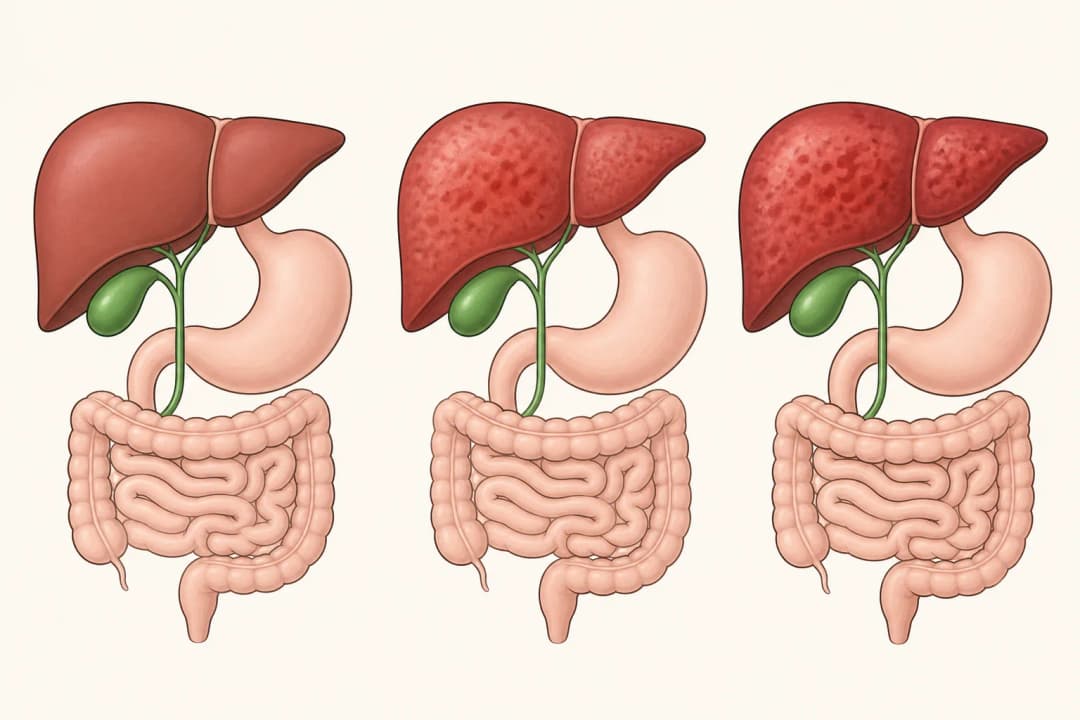
Hepatitis A is passed when the virus enters the mouth, often through microscopic traces from stool. This can happen if hands are not washed properly after using the toilet, if food is handled while someone is infected, or if water and food become contaminated. Close household or sexual contact can also allow spread. It is not caused by ordinary liver strain, and it is not the same infection as hepatitis B or hepatitis C. A person may feel generally unwell, lose appetite, feel nauseated, or notice dark urine as the liver becomes inflamed.
Reducing spread
Wash your hands with soap and water after toilet use and before eating or preparing food. If you have symptoms or were told you have hepatitis A, avoid preparing meals for other people and ask a clinician about staying away from close contacts during the infectious period. Tell the clinician about recent travel, shared meals, household exposure, and your vaccination history. Hepatitis A Vaccination can help prevent infection for people who are eligible, including some travellers and people with particular health risks.
When to seek care
Arrange prompt assessment after a known exposure or if you develop nausea, appetite loss, unusual tiredness, dark urine, pale stools, or yellowing of the skin or eyes. Seek urgent help for confusion, severe abdominal pain, repeated vomiting, or signs of dehydration. A Liver Function Test may help assess liver irritation, but your clinician will choose tests based on the timing and pattern of symptoms.
Questions for your doctor
Ask whether your contact counts as a meaningful exposure, whether vaccination is suitable now, how long to use extra hygiene precautions, and which changes in urine, skin colour, or alertness need urgent help.
Find care
General Clinics & Polyclinics in Abu Dhabi
That answer is general. If you want it applied to your own case, these are licensed general clinics & polyclinics listed in Abu Dhabi.
27 Ar Ruwwad St - Shakhbout City - MSH4 - Abu Dhabi - United Arab Emirates
Accepts: Daman, Thiqa, Cigna, MetLife +20 more
Al Ruwais, Al Dhafrah
Accepts: Daman, Thiqa, AXA, Cigna +16 more
Al Bahyah - Al Bahyah Old - Abu Dhabi - United Arab Emirates
Accepts: Daman, Thiqa, Cigna, Allianz Care +18 more
Abu Dhabi
Accepts: Daman, Thiqa, AXA, Cigna +27 more
Ordered by verification status and how complete each clinic's public record is, then alphabetically. This is a directory listing, not a ranking — Zavis does not rate or recommend providers.
A factual listing drawn from the DHA, DOH and MOHAP licence registers. It is not a referral, an endorsement, or advice that any of these providers is right for you.
Questions people ask
Does hepatitis A only come from travel?
No. Travel can be relevant, but infection can also spread within households, communities, and food settings.
Can careful handwashing help?
Yes. Thorough handwashing is a key way to reduce transfer from the toilet to food, surfaces, or another person.
Related
Related reading
Keep reading
Medical disclaimer. This page is general health information, not medical advice, and it cannot diagnose you. Always consult a licensed healthcare provider about your own symptoms and treatment. In an emergency in the UAE, call 998 for an ambulance.