
How is hepatitis A virus transmitted?
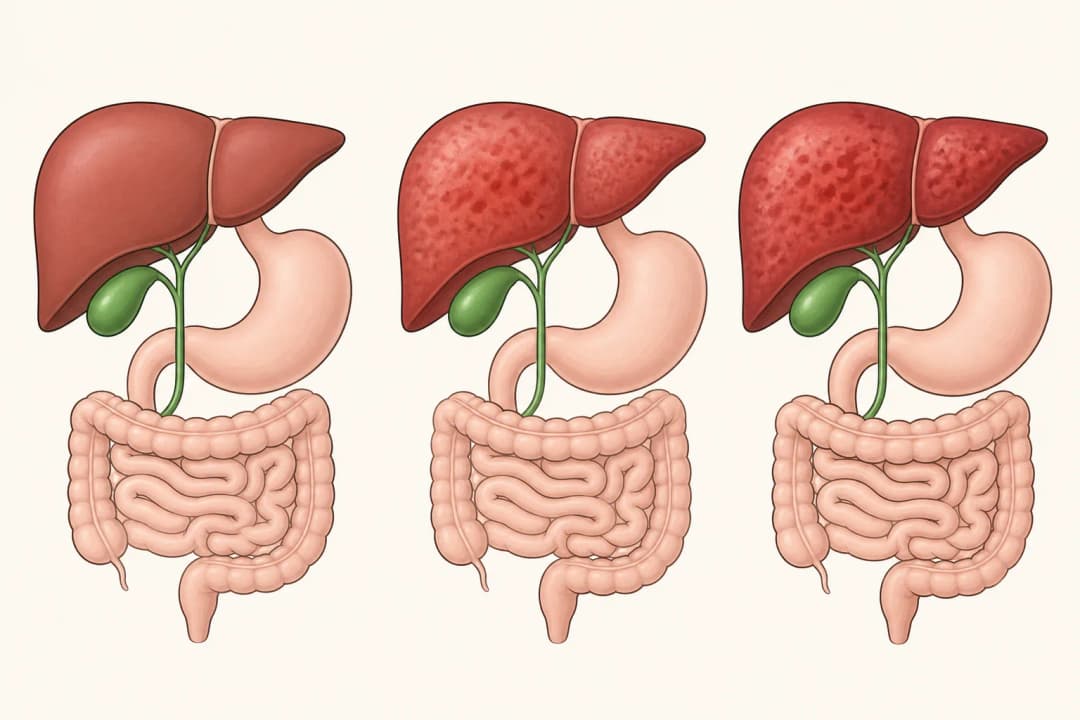
Short answer
Hepatitis A virus is transmitted when tiny amounts of infected stool enter another person’s mouth, often through contaminated food, water, hands, or close contact.
This answers one question. It is not a diagnosis and does not replace an assessment by a licensed doctor.
At a glance
- Main route
- Fecal-oral spread
- Common sources
- Contaminated food, water, hands, or close contact
- Affected organ
- Liver
What this means
The virus can spread when handwashing is incomplete after using the toilet or changing a nappy, then food or household surfaces are touched. It may also pass through food or drinks handled by someone who is infected. A person can spread infection before recognising that they are ill. Hepatitis A affects the liver and may cause feeling generally unwell, nausea, loss of appetite, tiredness, fever, or dark urine. Not everyone has the same symptoms.
Ways to lower transmission
Wash hands carefully with soap and running water after toilet use and before preparing or eating food. Do not prepare food for others while unwell until a clinician says it is appropriate. Use safe drinking water and take care with raw foods when travelling. If you have had close contact with someone diagnosed with hepatitis A, contact a healthcare professional promptly because vaccination may help prevent illness after exposure. A hepatitis A vaccination is also a useful preventive option for eligible people.
When to seek care
Arrange medical advice if you develop yellowing of the eyes or skin, dark urine, persistent vomiting, marked tiredness, abdominal discomfort, or loss of appetite, especially after possible exposure. Seek urgent help if you cannot keep fluids down, become confused, faint, or have severe abdominal pain. A clinician may assess you and consider a liver function test.
Questions for your doctor
Ask whether your symptoms fit hepatitis A, whether testing is needed, how long to avoid preparing food, and whether household or sexual contacts need advice or vaccination.
Find care
General Clinics & Polyclinics in Abu Dhabi
That answer is general. If you want it applied to your own case, these are licensed general clinics & polyclinics listed in Abu Dhabi.
27 Ar Ruwwad St - Shakhbout City - MSH4 - Abu Dhabi - United Arab Emirates
Accepts: Daman, Thiqa, Cigna, MetLife +20 more
Al Ruwais, Al Dhafrah
Accepts: Daman, Thiqa, AXA, Cigna +16 more
Al Bahyah - Al Bahyah Old - Abu Dhabi - United Arab Emirates
Accepts: Daman, Thiqa, Cigna, Allianz Care +18 more
Abu Dhabi
Accepts: Daman, Thiqa, AXA, Cigna +27 more
Ordered by verification status and how complete each clinic's public record is, then alphabetically. This is a directory listing, not a ranking — Zavis does not rate or recommend providers.
A factual listing drawn from the DHA, DOH and MOHAP licence registers. It is not a referral, an endorsement, or advice that any of these providers is right for you.
Questions people ask
Can hepatitis A spread through ordinary household contact?
It can spread when infected stool contaminates hands, food, bathroom surfaces, or shared objects and then reaches the mouth. Careful handwashing reduces this route.
Can someone spread hepatitis A before symptoms appear?
Yes. A person may be infectious before they realise they are unwell, so close contacts should seek timely medical advice after a known exposure.
Related
Related reading
Keep reading
Medical disclaimer. This page is general health information, not medical advice, and it cannot diagnose you. Always consult a licensed healthcare provider about your own symptoms and treatment. In an emergency in the UAE, call 998 for an ambulance.