
What should you know about hepatitis A liver enzymes?
Short answer
Hepatitis A can raise liver enzymes because inflamed liver cells release enzymes into the bloodstream, so results need clinical follow-up.
This answers one question. It is not a diagnosis and does not replace an assessment by a licensed doctor.
At a glance
- What enzymes show
- Possible liver-cell irritation
- How results are used
- Compared over time with other findings
- Next step
- Clinician-guided follow-up
How to read the finding
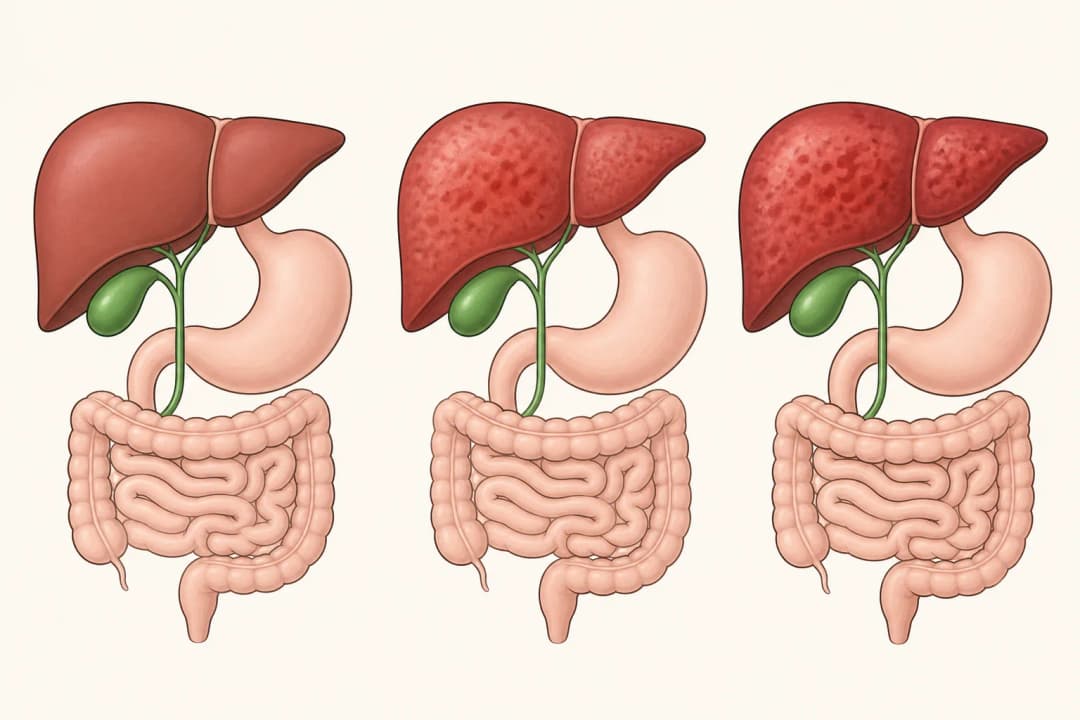
Liver enzymes are proteins measured in blood. When liver cells are irritated by hepatitis A, some enzymes can enter the bloodstream and appear above the laboratory reference range. The result does not, by itself, describe the whole liver or predict how you will feel. Clinicians consider the pattern of results, bilirubin, symptoms, examination findings, and whether values change over time.
Nausea, poor appetite, tiredness, dark urine, and feeling generally unwell can accompany hepatitis A, but symptoms vary. An abnormal enzyme result has other possible causes, so a clinician confirms the explanation rather than reading it in isolation.
What to do after testing
Follow the review plan for repeat blood tests or other checks. Tell the clinician about alcohol, prescription medicines, pain relievers, supplements, recent travel, and possible exposure to infection. Do not stop prescribed treatment without advice, but avoid starting a new product until it has been checked for liver safety.
Rest, maintain fluids, and use small meals if appetite or nausea is affected. Follow hygiene advice to reduce transmission, and ask whether vaccination is useful for household or other close contacts.
Warning signs
Get urgent care if you become confused or unusually drowsy, vomit repeatedly, cannot drink, develop severe abdominal pain, notice bleeding, or become rapidly more yellow. These symptoms may indicate significant illness and should not wait for a routine blood-test appointment.
Useful questions
Ask what each abnormal enzyme means, when testing should be repeated, whether any medicine needs review, and which symptoms should trigger same-day care. For background, see Hepatitis A, Liver Function Test, Dark Urine, Feeling Generally Unwell, Loss of Appetite, Nausea, and Hepatitis A Vaccination.
Find care
General Clinics & Polyclinics in Abu Dhabi
That answer is general. If you want it applied to your own case, these are licensed general clinics & polyclinics listed in Abu Dhabi.
27 Ar Ruwwad St - Shakhbout City - MSH4 - Abu Dhabi - United Arab Emirates
Accepts: Daman, Thiqa, Cigna, MetLife +20 more
Al Ruwais, Al Dhafrah
Accepts: Daman, Thiqa, AXA, Cigna +16 more
Al Bahyah - Al Bahyah Old - Abu Dhabi - United Arab Emirates
Accepts: Daman, Thiqa, Cigna, Allianz Care +18 more
Abu Dhabi
Accepts: Daman, Thiqa, AXA, Cigna +27 more
Ordered by verification status and how complete each clinic's public record is, then alphabetically. This is a directory listing, not a ranking — Zavis does not rate or recommend providers.
A factual listing drawn from the DHA, DOH and MOHAP licence registers. It is not a referral, an endorsement, or advice that any of these providers is right for you.
Questions people ask
Does a raised enzyme result prove liver failure?
No. Enzymes indicate irritation or injury; other findings are needed to assess how well the liver is working.
Should I repeat the test myself?
Use the timing recommended by your clinician, because the useful interval depends on your symptoms and results.
Related
Related reading
Keep reading
Medical disclaimer. This page is general health information, not medical advice, and it cannot diagnose you. Always consult a licensed healthcare provider about your own symptoms and treatment. In an emergency in the UAE, call 998 for an ambulance.