
What should you know about hepatitis A liver?
Short answer
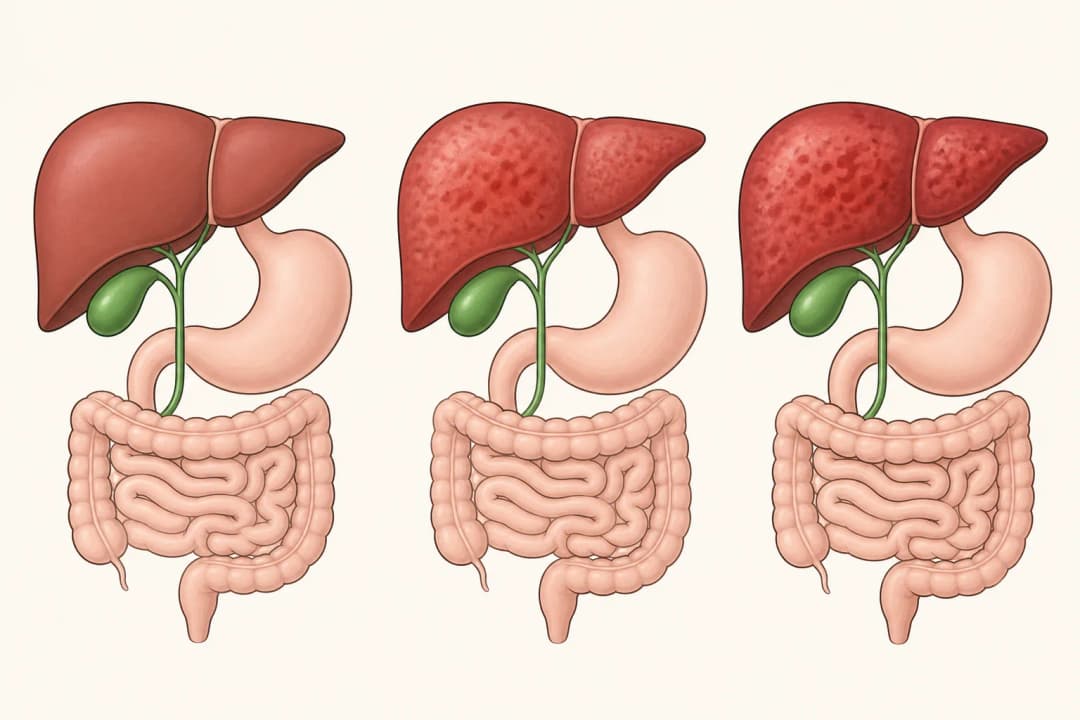
Hepatitis A can temporarily inflame the liver, causing symptoms such as tiredness, nausea or dark urine while the immune system clears the infection.
This answers one question. It is not a diagnosis and does not replace an assessment by a licensed doctor.
At a glance
- Main effect
- Temporary inflammation of the liver
- Possible signs
- Nausea, poor appetite, dark urine or yellowing
- Follow-up
- Symptoms and liver-related blood tests may be monitored
How the liver is involved
The liver processes nutrients, medicines and waste products. During hepatitis A, inflammation can interfere with these functions and may lead to poor appetite, nausea, feeling generally unwell, pale stools or dark urine. Yellowing of the eyes or skin can occur when bile processing is affected. Symptoms vary, and their presence does not by itself show how severe the liver inflammation is.
A clinician may assess the abdomen and order blood tests. A [Liver Function Test](/treatments/diagnostics-and-screening/liver-function-test/) measures liver-related markers and can help track change, but results need to be read alongside the examination and history. Explore [Hepatitis A](/conditions/hepatitis-a/).
Caring for your liver
Rest, drink fluids and eat small, manageable meals if appetite is low. Avoid alcohol and check with a clinician or pharmacist before taking pain medicines, herbal products or supplements, because some substances are processed by the liver. Keep any follow-up appointments and mention new symptoms. Vaccination is a prevention option; see [Hepatitis A Vaccination](/treatments/preventive-care-and-vaccination/hepatitis-a-vaccination/).
When to seek care
Seek urgent medical help for confusion, extreme sleepiness, severe abdominal pain, repeated vomiting, inability to keep fluids down, unusual bleeding or rapidly worsening yellowing. Contact a clinician promptly if dark urine or feeling generally unwell is progressing. Severe symptoms can reflect dehydration or significant liver dysfunction and should not wait for routine follow-up.
Questions for your doctor
Ask which liver tests are needed, whether any medicines should be paused, how to maintain fluids and food, how long activity changes may be needed, and how to reduce transmission at home.
Find care
General Clinics & Polyclinics in Abu Dhabi
That answer is general. If you want it applied to your own case, these are licensed general clinics & polyclinics listed in Abu Dhabi.
27 Ar Ruwwad St - Shakhbout City - MSH4 - Abu Dhabi - United Arab Emirates
Accepts: Daman, Thiqa, Cigna, MetLife +20 more
Al Ruwais, Al Dhafrah
Accepts: Daman, Thiqa, AXA, Cigna +16 more
Al Bahyah - Al Bahyah Old - Abu Dhabi - United Arab Emirates
Accepts: Daman, Thiqa, Cigna, Allianz Care +18 more
Abu Dhabi
Accepts: Daman, Thiqa, AXA, Cigna +27 more
Ordered by verification status and how complete each clinic's public record is, then alphabetically. This is a directory listing, not a ranking — Zavis does not rate or recommend providers.
A factual listing drawn from the DHA, DOH and MOHAP licence registers. It is not a referral, an endorsement, or advice that any of these providers is right for you.
Questions people ask
Does hepatitis A always cause liver symptoms?
No. Symptoms vary, and some people may have few noticeable symptoms. A clinician can interpret the history and any blood tests.
Should I take supplements to support the liver?
Do not start supplements without checking first, because some products can affect the liver or interact with medicines.
Related
Related reading
Keep reading
Medical disclaimer. This page is general health information, not medical advice, and it cannot diagnose you. Always consult a licensed healthcare provider about your own symptoms and treatment. In an emergency in the UAE, call 998 for an ambulance.