
What should you know about hepatitis A in adults?
Short answer
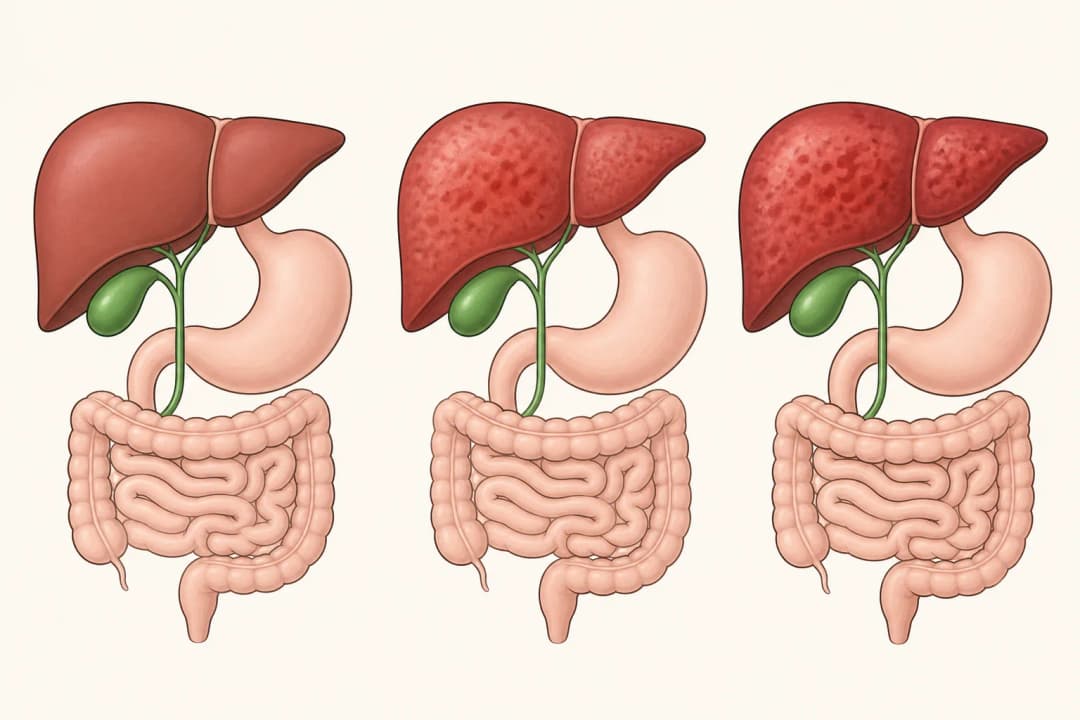
Hepatitis A in adults is a liver infection that can cause general illness, digestive symptoms and changes in urine or skin colour, so assessment matters when these appear together.
This answers one question. It is not a diagnosis and does not replace an assessment by a licensed doctor.
At a glance
- Main organ
- The infection affects the liver.
- Possible features
- Nausea, appetite loss, dark urine and yellowing.
- Assessment
- History, examination and selected blood tests.
How it can present
Adults may notice tiredness, feverishness, nausea, reduced appetite or discomfort under the ribs. Dark urine and yellowing of the eyes or skin can occur as the liver processes bile differently. Some people have mild or no obvious symptoms, so absence of jaundice does not rule it out. Hepatitis A spreads through contaminated food or water and close contact.
A clinician considers exposure, travel, symptoms and examination findings. Blood tests may look for hepatitis A antibodies, and a liver function test can help assess how the liver is working. Symptoms alone cannot confirm the infection.
Steps that help
Arrange a medical review if hepatitis A is possible, particularly after close contact or travel. Drink fluids as tolerated, rest, avoid alcohol and check with a clinician before taking medicines or supplements that may affect the liver. Wash hands carefully and avoid preparing food for others while unwell.
Ask about Hepatitis A Vaccination if you are not protected or have had a relevant exposure. Keep household contacts informed so they can obtain timely advice.
Warning signs
Seek prompt care for yellow skin or eyes, very dark urine, repeated vomiting, worsening abdominal pain or inability to drink. Get urgent help for confusion, unusual sleepiness, severe weakness, bleeding or rapid deterioration. Tell the clinician about recent travel, food exposure and contact with anyone diagnosed with hepatitis A.
Questions for your appointment
Ask which tests are appropriate, whether you should avoid work involving food, how to protect household contacts, and whether vaccination is suitable. Ask which medicines, supplements and symptoms require particular caution while your liver is being assessed.
Find care
General Clinics & Polyclinics in Abu Dhabi
That answer is general. If you want it applied to your own case, these are licensed general clinics & polyclinics listed in Abu Dhabi.
27 Ar Ruwwad St - Shakhbout City - MSH4 - Abu Dhabi - United Arab Emirates
Accepts: Daman, Thiqa, Cigna, MetLife +20 more
Al Ruwais, Al Dhafrah
Accepts: Daman, Thiqa, AXA, Cigna +16 more
Al Bahyah - Al Bahyah Old - Abu Dhabi - United Arab Emirates
Accepts: Daman, Thiqa, Cigna, Allianz Care +18 more
Abu Dhabi
Accepts: Daman, Thiqa, AXA, Cigna +27 more
Ordered by verification status and how complete each clinic's public record is, then alphabetically. This is a directory listing, not a ranking — Zavis does not rate or recommend providers.
A factual listing drawn from the DHA, DOH and MOHAP licence registers. It is not a referral, an endorsement, or advice that any of these providers is right for you.
Questions people ask
Does nausea prove that an adult has hepatitis A?
No. Nausea has many causes; hepatitis A requires clinical assessment and, when appropriate, blood testing.
Can adults prevent hepatitis A?
Vaccination, careful hand hygiene and safer food and water practices can reduce risk; discuss vaccination with a clinician.
Related
Related reading
Keep reading
Medical disclaimer. This page is general health information, not medical advice, and it cannot diagnose you. Always consult a licensed healthcare provider about your own symptoms and treatment. In an emergency in the UAE, call 998 for an ambulance.