
What should you know about hepatitis A immunisation?
Short answer
Hepatitis A immunisation helps the immune system recognise hepatitis A and can be discussed before travel, after exposure, or when health risks make infection more concerning.
This answers one question. It is not a diagnosis and does not replace an assessment by a licensed doctor.
At a glance
- Purpose
- Prepares immune defences against hepatitis A.
- Before vaccination
- Share travel, exposure, pregnancy and medical history.
- Symptoms to report
- Yellowing, dark urine, vomiting or worsening weakness.
What immunisation means
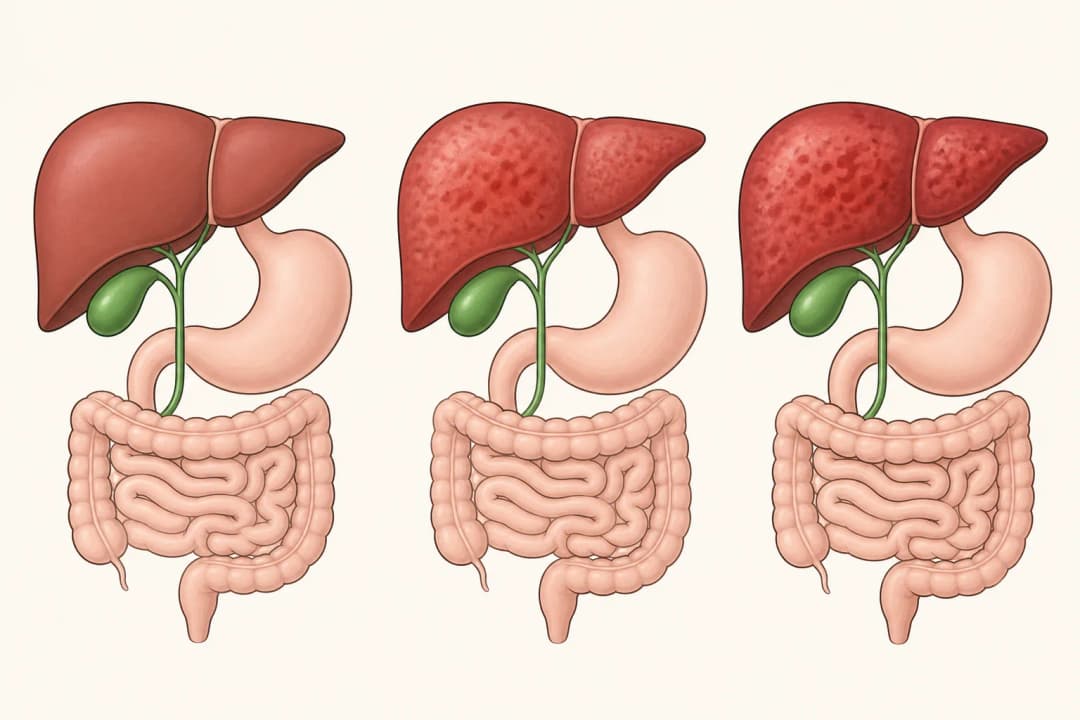
Hepatitis A is an infection affecting the liver. It can spread through contaminated food or water and close contact. Immunisation trains immune defences before infection occurs; it does not treat an infection that is already causing symptoms. Protection timing depends on the vaccine product, your age, health and whether a dose is being given after a possible exposure.
Some people with hepatitis A develop nausea, reduced appetite, tiredness or dark urine, while others have few noticeable symptoms. A symptom does not by itself confirm hepatitis A. A clinician may assess the history and arrange blood tests, including a liver function test, when appropriate.
Practical next steps
Ask a doctor or vaccination service whether immunisation fits your travel plans, household exposure, work, liver health or other medical circumstances. Bring your vaccination record if available and mention pregnancy, immune problems, allergies and regular medicines. If you may have been exposed recently, contact a clinician promptly because advice can depend on the timing of exposure.
Until you have advice, wash hands carefully after using the toilet and before preparing food. Do not share food, drinks or personal items with someone who may be infected. For more detail, read about Hepatitis A Vaccination and Hepatitis A.
When to seek medical care
Arrange prompt medical assessment if you develop yellowing of the skin or eyes, dark urine, persistent vomiting, marked weakness, confusion, or difficulty keeping fluids down. Feeling generally unwell, nausea and loss of appetite can occur with many illnesses, so they need context rather than a diagnosis based on one symptom. Seek urgent help for severe dehydration, unusual drowsiness or sudden deterioration.
Questions for your doctor
Ask whether you need immunisation now, whether a previous dose is recorded, how exposure or travel changes the plan, and which symptoms should trigger testing. You can also ask whether a liver function test or another assessment is suitable.
Find care
General Clinics & Polyclinics in Abu Dhabi
That answer is general. If you want it applied to your own case, these are licensed general clinics & polyclinics listed in Abu Dhabi.
27 Ar Ruwwad St - Shakhbout City - MSH4 - Abu Dhabi - United Arab Emirates
Accepts: Daman, Thiqa, Cigna, MetLife +20 more
Al Ruwais, Al Dhafrah
Accepts: Daman, Thiqa, AXA, Cigna +16 more
Al Bahyah - Al Bahyah Old - Abu Dhabi - United Arab Emirates
Accepts: Daman, Thiqa, Cigna, Allianz Care +18 more
Abu Dhabi
Accepts: Daman, Thiqa, AXA, Cigna +27 more
Ordered by verification status and how complete each clinic's public record is, then alphabetically. This is a directory listing, not a ranking — Zavis does not rate or recommend providers.
A factual listing drawn from the DHA, DOH and MOHAP licence registers. It is not a referral, an endorsement, or advice that any of these providers is right for you.
Questions people ask
Can immunisation treat hepatitis A?
No. It is preventive; suspected infection needs clinical assessment and supportive care.
What if I feel unwell after a possible exposure?
Contact a clinician promptly and describe the exposure, symptoms and timing.
Related
Related reading
Keep reading
Medical disclaimer. This page is general health information, not medical advice, and it cannot diagnose you. Always consult a licensed healthcare provider about your own symptoms and treatment. In an emergency in the UAE, call 998 for an ambulance.