
Hepatitis A and hepatitis B: what is the difference?
Short answer
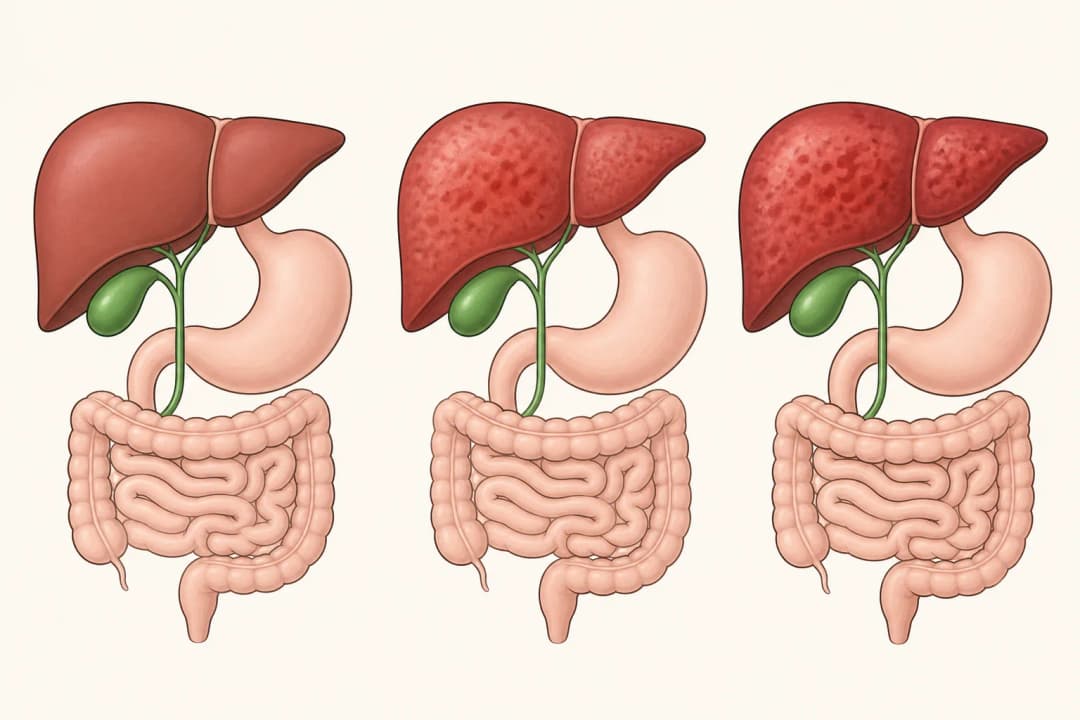
Hepatitis A and hepatitis B are different liver infections with different routes of spread, prevention options, and patterns of illness.
This answers one question. It is not a diagnosis and does not replace an assessment by a licensed doctor.
At a glance
- Hepatitis A spread
- Usually fecal contamination through food, water, hands, or close contact
- Hepatitis B spread
- Infected blood and certain body fluids
- Key point
- Symptoms cannot identify the virus without testing
How the infections differ
Hepatitis A commonly spreads when infected stool contaminates food, water, hands, or surfaces. Hepatitis B spreads through infected blood and certain body fluids, including during sexual contact or from parent to baby around birth. The two viruses are not interchangeable, and having one does not mean a person has the other.
Hepatitis A often causes a short-term illness, while hepatitis B can be short-term or persist and require longer-term monitoring. Feeling generally unwell, nausea, loss of appetite, and dark urine can occur with liver inflammation, but symptoms alone cannot identify the virus.
Practical next steps
Arrange testing if you have symptoms, a known exposure, or a reason to think blood or body-fluid contact may have occurred. Tell the clinician about travel, household illness, sexual exposure, tattoos or piercings, shared injecting equipment, and vaccination history.
Ask about hepatitis A vaccination and hepatitis B vaccination as separate prevention decisions. Until assessed, avoid sharing razors or toothbrushes, cover open wounds, wash hands carefully, and use barriers during sex. Do not donate blood while infection is being considered.
When to get urgent help
Seek prompt medical care for jaundice, dark urine, persistent vomiting, severe abdominal pain, worsening weakness, or inability to drink. Confusion, fainting, or unusual sleepiness requires urgent assessment. A liver function test may be part of the evaluation, alongside virus-specific tests.
Questions to bring
Ask which tests distinguish hepatitis A from hepatitis B, whether a recent exposure needs urgent prevention, whether close contacts need testing, and how long to avoid alcohol or sharing personal items.
Find care
General Clinics & Polyclinics in Abu Dhabi
That answer is general. If you want it applied to your own case, these are licensed general clinics & polyclinics listed in Abu Dhabi.
27 Ar Ruwwad St - Shakhbout City - MSH4 - Abu Dhabi - United Arab Emirates
Accepts: Daman, Thiqa, Cigna, MetLife +20 more
Al Ruwais, Al Dhafrah
Accepts: Daman, Thiqa, AXA, Cigna +16 more
Al Bahyah - Al Bahyah Old - Abu Dhabi - United Arab Emirates
Accepts: Daman, Thiqa, Cigna, Allianz Care +18 more
Abu Dhabi
Accepts: Daman, Thiqa, AXA, Cigna +27 more
Ordered by verification status and how complete each clinic's public record is, then alphabetically. This is a directory listing, not a ranking — Zavis does not rate or recommend providers.
A factual listing drawn from the DHA, DOH and MOHAP licence registers. It is not a referral, an endorsement, or advice that any of these providers is right for you.
Questions people ask
Can hepatitis A turn into hepatitis B?
No. They are caused by different viruses, although a person can be exposed to both separately.
Are prevention vaccines the same?
No. Hepatitis A and hepatitis B have separate vaccines, so ask which protection fits your exposure and health history.
Related
Related reading
Keep reading
Medical disclaimer. This page is general health information, not medical advice, and it cannot diagnose you. Always consult a licensed healthcare provider about your own symptoms and treatment. In an emergency in the UAE, call 998 for an ambulance.