
Diathermy epilation: what to expect
Short answer
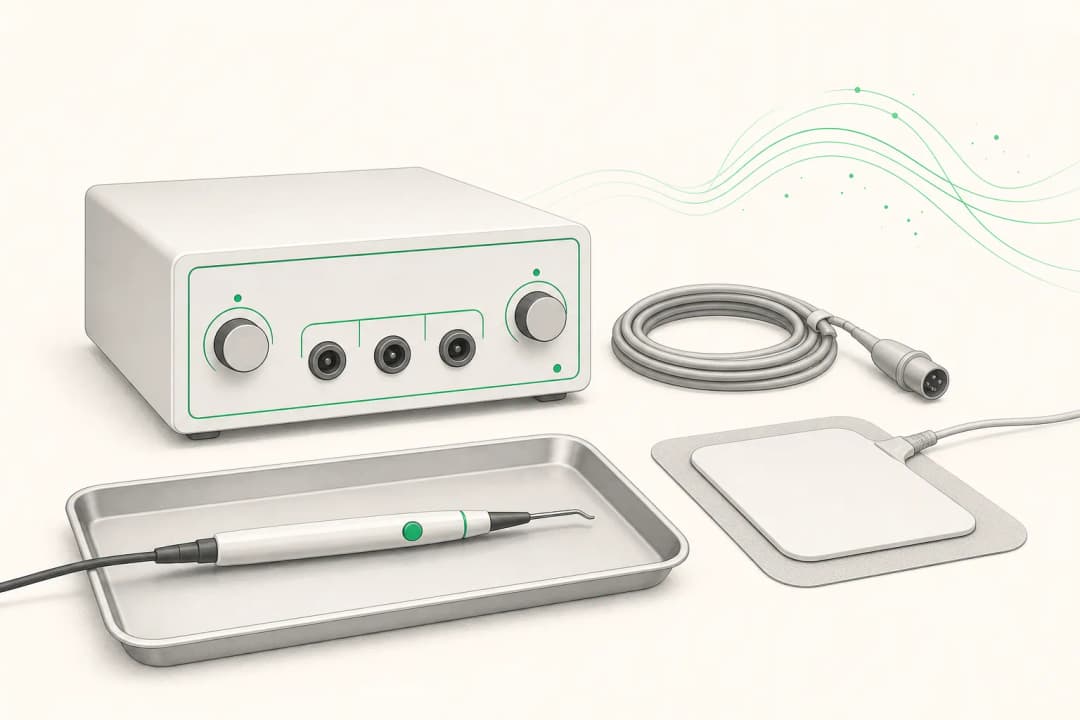
Diathermy epilation uses a fine probe and controlled electrical energy to treat individual hair follicles, so it requires skilled technique and careful aftercare.
This answers one question. It is not a diagnosis and does not replace an assessment by a licensed doctor.
At a glance
- Target
- Individual hair follicles
- Key requirement
- A trained practitioner using appropriate sterile equipment
How the procedure works
Diathermy epilation, also called thermolysis in some settings, places a very fine probe alongside an individual hair. Electrical energy creates heat around the follicle, and the hair is then removed with sterile forceps. It is different from methods that treat a broad area at once because each follicle is approached separately. Several appointments may be needed as hairs grow in different phases. Treatment can be used for unwanted facial or body hair, but suitability depends on the area, hair, skin, medical history, and the practitioner’s training.
Before and after treatment
Tell the practitioner about medicines, skin conditions, a tendency to form raised scars, and any active infection in the treatment area. Avoid picking, waxing, or irritating products around the appointment unless instructed otherwise. After treatment, keep the area clean, avoid rubbing and heavy cosmetics until the skin settles, and follow the specific aftercare given. Temporary redness, warmth, or small crusts can occur. Do not share the treatment area with an unqualified operator; ask how the probe, equipment, and treatment records are handled.
When to seek medical care
Contact the practitioner or a healthcare professional if redness spreads, pain worsens, swelling is marked, pus develops, or the area becomes increasingly warm. Seek urgent care for facial swelling affecting breathing, severe allergic symptoms, or rapidly worsening pain. A change in pigmentation, a persistent scar, or a lesion that was treated without a clear diagnosis should be assessed rather than repeatedly treated.
Questions for your doctor
Is this method suitable for my skin and hair? What diagnosis or skin check is needed before treating a lesion? What aftercare, healing changes, and warning signs should I expect?
Find care
General Clinics & Polyclinics in Abu Dhabi
That answer is general. If you want it applied to your own case, these are licensed general clinics & polyclinics listed in Abu Dhabi.
27 Ar Ruwwad St - Shakhbout City - MSH4 - Abu Dhabi - United Arab Emirates
Accepts: Daman, Thiqa, Cigna, MetLife +20 more
Al Ruwais, Al Dhafrah
Accepts: Daman, Thiqa, AXA, Cigna +16 more
Al Bahyah - Al Bahyah Old - Abu Dhabi - United Arab Emirates
Accepts: Daman, Thiqa, Cigna, Allianz Care +18 more
Abu Dhabi
Accepts: Daman, Thiqa, AXA, Cigna +27 more
Ordered by verification status and how complete each clinic's public record is, then alphabetically. This is a directory listing, not a ranking — Zavis does not rate or recommend providers.
A factual listing drawn from the DHA, DOH and MOHAP licence registers. It is not a referral, an endorsement, or advice that any of these providers is right for you.
Questions people ask
Is diathermy epilation the same as shaving?
No. Shaving cuts hair at the skin surface, while diathermy epilation uses a probe and electrical heat to treat individual follicles.
Can every unwanted hair be treated in one appointment?
Not always. Hair growth phases differ, so a treatment plan may involve more than one appointment.
Related
Related reading
Keep reading
Medical disclaimer. This page is general health information, not medical advice, and it cannot diagnose you. Always consult a licensed healthcare provider about your own symptoms and treatment. In an emergency in the UAE, call 998 for an ambulance.