
What should you know about cupping for asthma?
Short answer
Cupping has not been established as a replacement for asthma medicines, so discuss risks with a clinician and keep your prescribed plan in place.
This answers one question. It is not a diagnosis and does not replace an assessment by a licensed doctor.
At a glance
- Main safety point
- Cupping does not replace prescribed asthma treatment.
- Watch for
- Worsening breathlessness, wheezing or chest tightness.
What this means for asthma
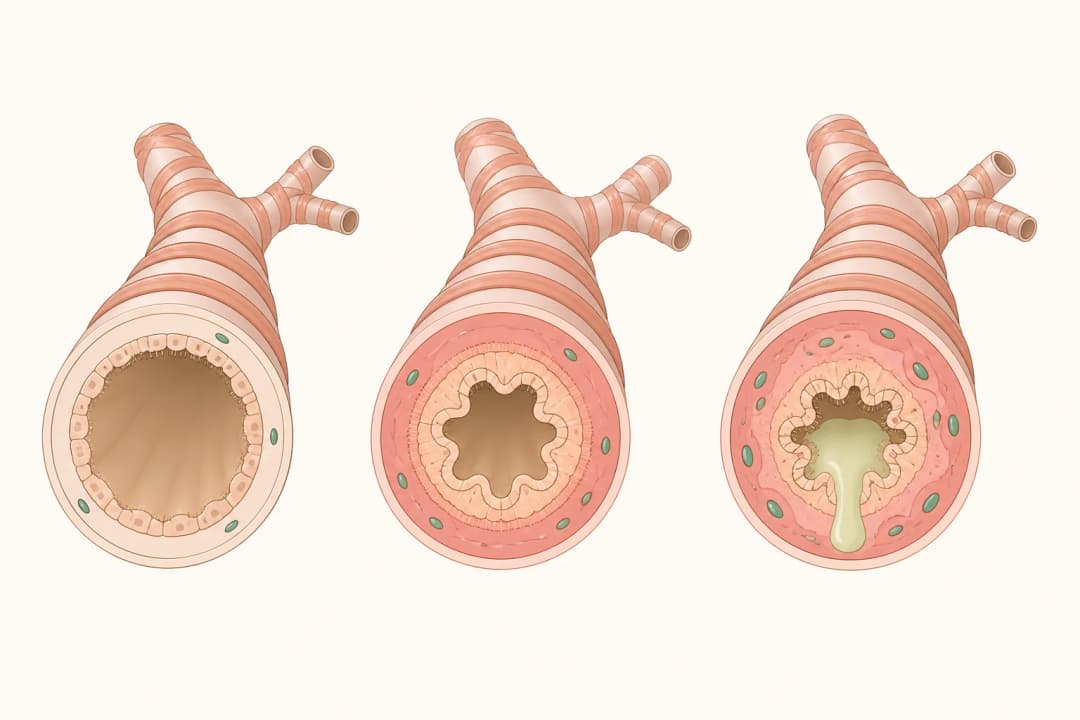
Asthma involves sensitive, inflamed airways that can narrow and make breathing difficult. Cupping uses suction on the skin, sometimes with small skin pricks in wet cupping; it does not deliver a reliever medicine into the airways or open them in the way prescribed inhalers can.
Marks, blistering, burns, skin infection and bleeding can occur, especially when equipment or technique is unsafe. Tell the practitioner about asthma medicines, allergies, skin problems and any bleeding condition. Do not stop preventer treatment because you are trying cupping.
If you are considering cupping
Ask your asthma clinician whether the proposed session is suitable for you, particularly if symptoms are active or poorly controlled. Use your inhalers exactly as prescribed and keep your reliever accessible. Avoid cupping over broken, infected or irritated skin, and choose a practitioner who uses sterile, single-use equipment when skin is pierced.
A written asthma action plan can help you recognise worsening symptoms and know when to use prescribed treatment. Triggers such as allergic rhinitis or house dust mite allergy may also need attention. Cough, wheezing and chest tightness deserve assessment rather than being attributed to a cupping reaction.
When to seek care urgently
Seek urgent medical help if breathing is rapidly worsening, you cannot speak comfortably because of breathlessness, your lips look blue or grey, you feel faint or confused, or your reliever is not helping as directed. Do not wait for cupping to work during an asthma attack.
Arrange medical review for repeated night symptoms, frequent reliever use, a cough that persists, or new wheezing after a session. A nebuliser treatment may be considered by clinicians in acute care when appropriate.
Questions for your doctor
Could cupping interfere with my asthma medicines or skin health? How controlled is my asthma today? What should I do if symptoms begin during or after a session? Which signs mean I should seek emergency help?
Find care
General Clinics & Polyclinics in Abu Dhabi
That answer is general. If you want it applied to your own case, these are licensed general clinics & polyclinics listed in Abu Dhabi.
27 Ar Ruwwad St - Shakhbout City - MSH4 - Abu Dhabi - United Arab Emirates
Accepts: Daman, Thiqa, Cigna, MetLife +20 more
Al Ruwais, Al Dhafrah
Accepts: Daman, Thiqa, AXA, Cigna +16 more
Al Bahyah - Al Bahyah Old - Abu Dhabi - United Arab Emirates
Accepts: Daman, Thiqa, Cigna, Allianz Care +18 more
Abu Dhabi
Accepts: Daman, Thiqa, AXA, Cigna +27 more
Ordered by verification status and how complete each clinic's public record is, then alphabetically. This is a directory listing, not a ranking — Zavis does not rate or recommend providers.
A factual listing drawn from the DHA, DOH and MOHAP licence registers. It is not a referral, an endorsement, or advice that any of these providers is right for you.
Questions people ask
Can cupping stop an asthma attack?
No. Follow your asthma action plan and use prescribed reliever treatment; seek urgent help if symptoms are severe or do not improve as directed.
Can I stop my inhaler if cupping seems helpful?
No. Stopping preventer or reliever treatment without clinical advice can leave airway inflammation or narrowing untreated.
Related
Related reading
Keep reading
Medical disclaimer. This page is general health information, not medical advice, and it cannot diagnose you. Always consult a licensed healthcare provider about your own symptoms and treatment. In an emergency in the UAE, call 998 for an ambulance.