
What should you know about the CDC hepatitis A vaccine?
Short answer
The hepatitis A vaccine helps prevent hepatitis A; discuss timing and suitability before travel, exposure, or other personal risks.
This answers one question. It is not a diagnosis and does not replace an assessment by a licensed doctor.
At a glance
- Purpose
- Prevention of hepatitis A infection
- Plan around
- Travel, possible exposure, health history, and prior doses
- Symptoms to report
- Dark urine, jaundice, nausea, or marked unwellness
What the vaccine protects against
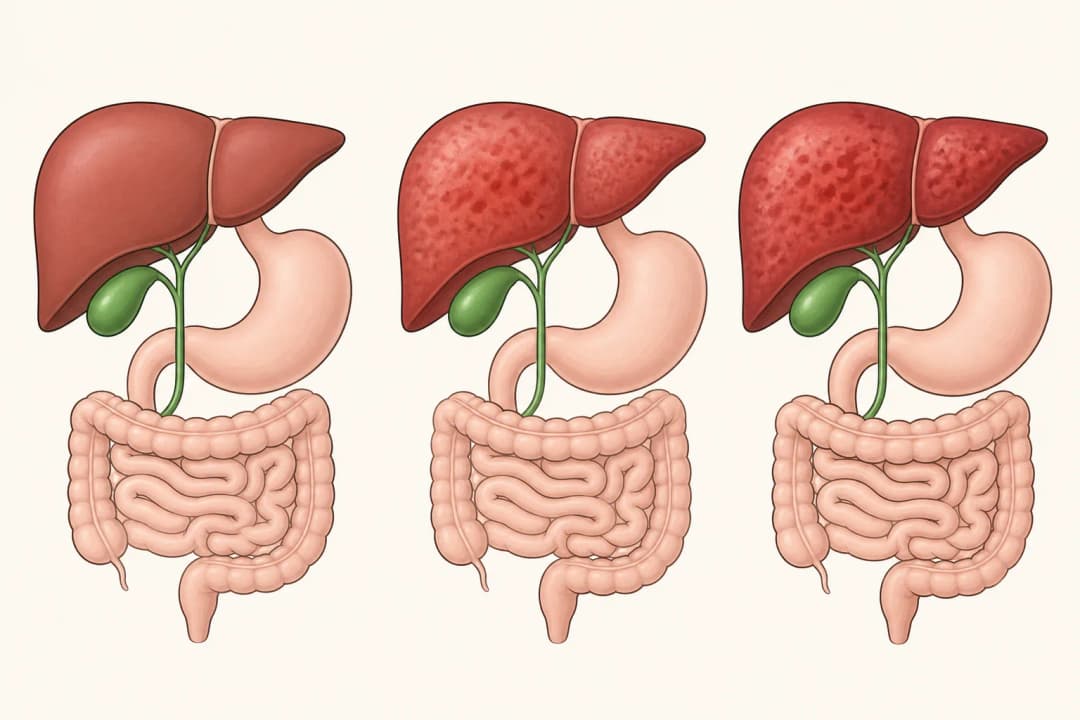
Hepatitis A is a viral infection of the liver. It can cause feeling generally unwell, nausea, loss of appetite, abdominal discomfort, dark urine, and yellowing of the skin or eyes. Some people have few symptoms, while others feel significantly ill. Vaccination prepares the immune system to recognise the virus and lowers the chance of illness when protection is established.
The vaccine is preventive; it does not treat an established infection. Protection planning may be relevant before travel, after a possible exposure, or for people whose work, health, or living circumstances increase risk. A clinician can decide whether vaccination is appropriate and whether another action is needed after exposure.
How to plan vaccination
Arrange an appointment early if you are travelling or have had a possible exposure. Tell the clinician about previous hepatitis A vaccination, allergies, pregnancy, immune problems, liver disease, and current medicines. Keep your vaccination record so the schedule can be checked rather than repeated unnecessarily.
Hepatitis A vaccination is given according to a recommended schedule, with the timing depending on the product and your situation. Mild soreness or tiredness can occur after an injection. Follow the clinic’s advice about the next dose and continue careful hand hygiene and food safety, because vaccination does not replace these measures.
When to seek medical care
Seek medical advice promptly after a possible exposure, especially if you develop nausea, marked tiredness, loss of appetite, abdominal pain, dark urine, or yellow skin or eyes. A liver function test may be considered alongside other assessment. Seek urgent care for severe vomiting, confusion, dehydration, or rapidly worsening illness. Tell the clinician about travel, food or water exposure, and close contacts.
Questions for your doctor
Ask whether you need hepatitis A vaccination, when each dose should be given, and what to do after a missed appointment or recent exposure. Check whether your liver history, immune status, pregnancy, or medicines change the plan, and ask which symptoms should trigger testing.
Find care
General Clinics & Polyclinics in Abu Dhabi
That answer is general. If you want it applied to your own case, these are licensed general clinics & polyclinics listed in Abu Dhabi.
27 Ar Ruwwad St - Shakhbout City - MSH4 - Abu Dhabi - United Arab Emirates
Accepts: Daman, Thiqa, Cigna, MetLife +20 more
Al Ruwais, Al Dhafrah
Accepts: Daman, Thiqa, AXA, Cigna +16 more
Al Bahyah - Al Bahyah Old - Abu Dhabi - United Arab Emirates
Accepts: Daman, Thiqa, Cigna, Allianz Care +18 more
Abu Dhabi
Accepts: Daman, Thiqa, AXA, Cigna +27 more
Ordered by verification status and how complete each clinic's public record is, then alphabetically. This is a directory listing, not a ranking — Zavis does not rate or recommend providers.
A factual listing drawn from the DHA, DOH and MOHAP licence registers. It is not a referral, an endorsement, or advice that any of these providers is right for you.
Questions people ask
Can the vaccine treat hepatitis A?
No. It is preventive. Symptoms or a recent exposure need individual medical advice about testing and next steps.
Is vaccination the only prevention measure?
No. Hand hygiene and safe food and water practices remain useful alongside vaccination.
Related
Related reading
Keep reading
Medical disclaimer. This page is general health information, not medical advice, and it cannot diagnose you. Always consult a licensed healthcare provider about your own symptoms and treatment. In an emergency in the UAE, call 998 for an ambulance.