
Understanding asthma control
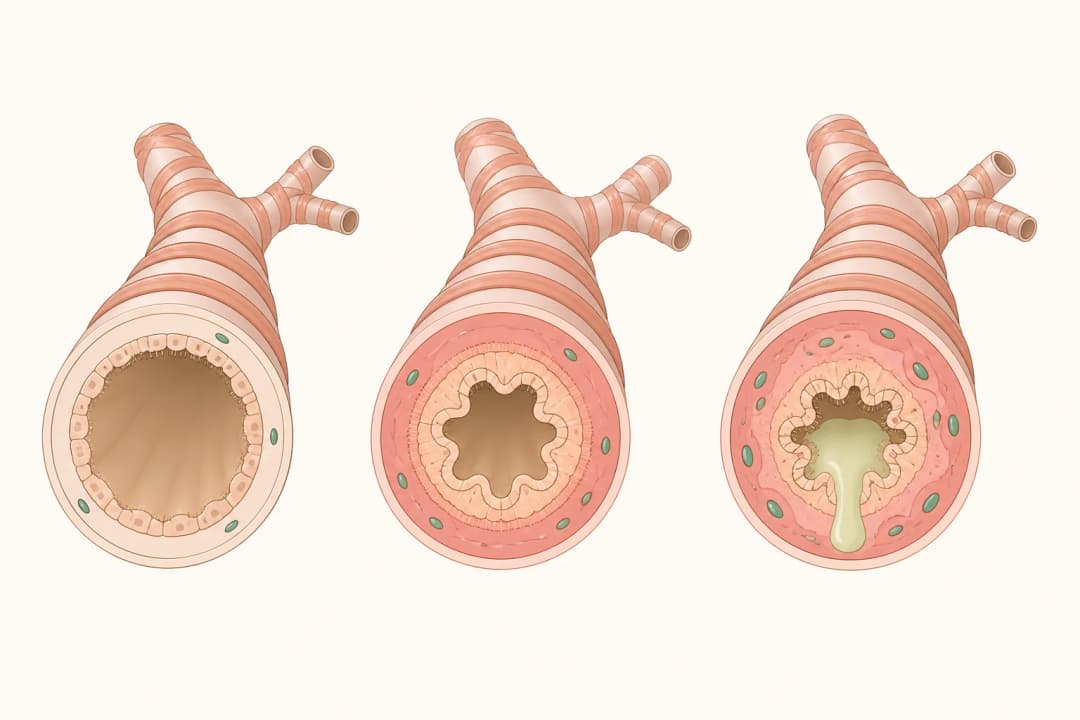
Short answer
Good asthma control means symptoms are infrequent, daily activities and sleep are not disrupted, and flare-ups are prevented where possible.
This answers one question. It is not a diagnosis and does not replace an assessment by a licensed doctor.
At a glance
- Control varies
- Asthma may become less controlled after an infection or trigger exposure.
- Useful signals
- Night waking, activity limits and increasing reliever use deserve attention.
- Review tool
- A written action plan turns symptom changes into clear next steps.
What asthma control means
Control can change with infections, allergens, smoke exposure, weather, medication use or inhaler technique. Feeling well today does not by itself show whether airway inflammation is being managed over time.
Clues that control is slipping
More cough, wheeze, chest tightness or breathlessness can signal worsening control. Waking at night, avoiding exercise, struggling with usual tasks or reaching for reliever medication more often are also meaningful changes.
A clinician considers the pattern across recent weeks, any flare-ups, trigger exposure, correct use of medicines and how symptoms affect life. Breathing tests may be added when appropriate because symptoms and measured airflow do not always change together.
Steps that support steadier control
Take controller medicine on the prescribed schedule, check inhaler technique with a clinician or pharmacist, and use a spacer if one has been recommended. Keep a written action plan that explains usual treatment, signs of worsening and the response to take.
Record nighttime waking, activity limits, reliever use and likely triggers. Address nasal allergy symptoms, avoid smoking and second-hand smoke, and arrange review rather than repeatedly managing deterioration with reliever medication alone.
When to seek medical attention
Book a prompt review when symptoms are becoming more frequent, sleep or activity is affected, the reliever provides less benefit, or the action plan indicates treatment should be stepped up. Do not stop a controller medicine because symptoms have settled without discussing the plan.
Call emergency services for severe breathing difficulty, inability to speak normally, blue or grey lips, confusion, exhaustion, faintness, or continued worsening despite using reliever treatment exactly as directed in the emergency plan.
Questions for an asthma review
Bring your inhalers and ask for a technique check. Clarify which medicine is the controller, what changes count as loss of control, whether a trigger needs targeted management, and when the action plan says to seek urgent help.
Find care
General Clinics & Polyclinics in Abu Dhabi
That answer is general. If you want it applied to your own case, these are licensed general clinics & polyclinics listed in Abu Dhabi.
27 Ar Ruwwad St - Shakhbout City - MSH4 - Abu Dhabi - United Arab Emirates
Accepts: Daman, Thiqa, Cigna, MetLife +20 more
Al Ruwais, Al Dhafrah
Accepts: Daman, Thiqa, AXA, Cigna +16 more
Al Bahyah - Al Bahyah Old - Abu Dhabi - United Arab Emirates
Accepts: Daman, Thiqa, Cigna, Allianz Care +18 more
Abu Dhabi
Accepts: Daman, Thiqa, AXA, Cigna +27 more
Ordered by verification status and how complete each clinic's public record is, then alphabetically. This is a directory listing, not a ranking — Zavis does not rate or recommend providers.
A factual listing drawn from the DHA, DOH and MOHAP licence registers. It is not a referral, an endorsement, or advice that any of these providers is right for you.
Questions people ask
Does having no wheeze mean asthma is controlled?
Not necessarily. Cough, chest tightness, night waking, activity limits and reliever use also help show the level of control.
Should controller treatment stop when I feel better?
Continue it as prescribed and discuss any reduction with the treating clinician, because improvement may reflect that the controller is working.
Can inhaler technique affect control?
Yes. Poor timing, an incomplete seal or an unsuitable device routine can reduce how much medicine reaches the airways.
Related
Related reading
Keep reading
Medical disclaimer. This page is general health information, not medical advice, and it cannot diagnose you. Always consult a licensed healthcare provider about your own symptoms and treatment. In an emergency in the UAE, call 998 for an ambulance.