
Aspiration pneumonia explained
Short answer
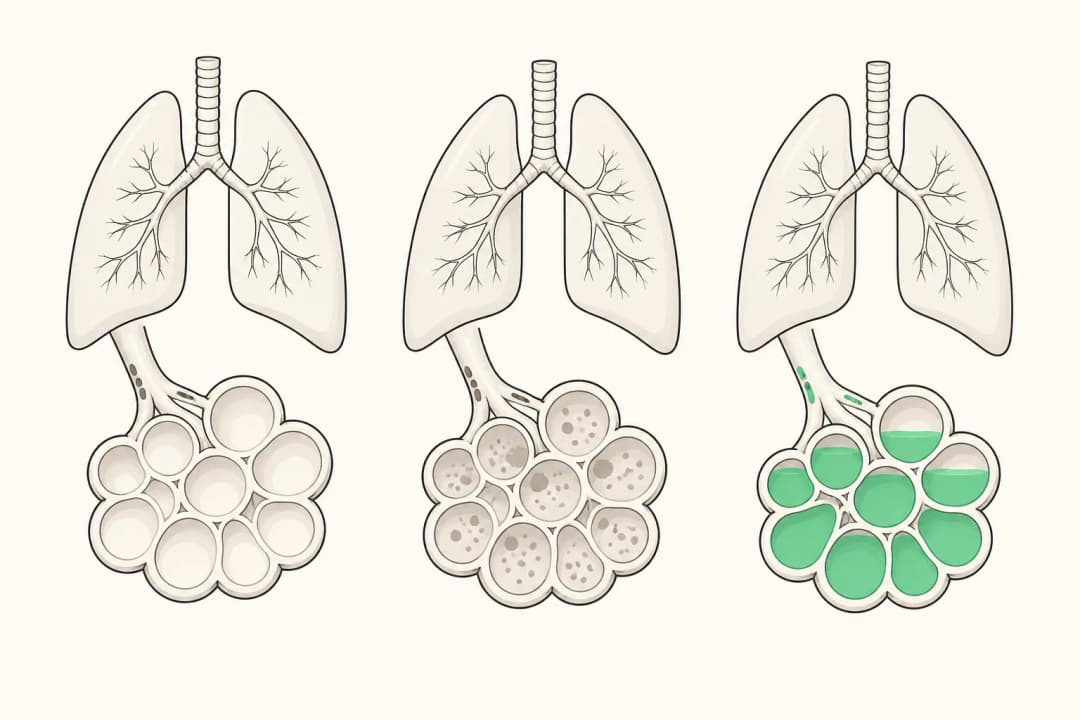
Aspiration pneumonia is a lung infection that can develop after inhaled saliva, food, drink, or vomit carries germs into the lungs.
This answers one question. It is not a diagnosis and does not replace an assessment by a licensed doctor.
At a glance
- Cause
- Germs reach the lungs with aspirated material and cause infection
- Possible presentation
- Cough, fever, phlegm, breathlessness, chest discomfort, weakness, or confusion
- Prevention focus
- Identify and manage swallowing, alertness, positioning, and mouth-care factors
The short answer
It may present with cough, fever, phlegm, breathlessness, chest discomfort, weakness, or confusion. Symptoms can follow a witnessed choking or vomiting event, but repeated small aspirations may go unnoticed.
How the infection develops
Normal swallowing closes the airway while material passes into the food pipe. If that protection fails, organisms from the mouth or stomach can reach lung tissue and cause infection. This differs from chemical irritation immediately after inhaling acidic stomach contents, although both problems can occur together.
Swallowing disorders, stroke or other neurological illness, reduced alertness, vomiting, poor cough strength, dental problems, and tube feeding can increase vulnerability. Clinicians use the event history, examination, oxygen measurement, and sometimes chest imaging or blood tests to assess severity and cause.
Treatment and recovery
Medical treatment may include antibiotics selected for the clinical situation, oxygen, fluids, and support to clear secretions. People who are very unwell or cannot swallow safely may need hospital care. Finish prescribed antibiotics unless the treating clinician changes the plan.
Preventing another episode is part of recovery. A swallowing specialist may recommend positioning, pacing, texture changes, mouth care, or help with feeding. Do not alter prescribed food or fluid consistency without guidance, because the safest choice depends on the swallowing problem.
When symptoms are urgent
Call emergency services for severe or rapidly worsening breathlessness, blue or grey lips, collapse, new severe confusion, inability to wake normally, or an obstructed airway. These signs require immediate assessment.
Seek prompt medical care for fever with breathing changes, painful breathing, persistent vomiting, reduced urine, inability to drink, blood in phlegm, or worsening weakness after suspected aspiration. Older adults may show reduced alertness or function rather than a strong fever, so a clear change from usual health matters.
Planning follow-up
Ask what may have caused the aspiration, how response to treatment will be checked, and whether swallowing or dental assessment is needed. Confirm the medication schedule, safe eating and drinking plan, and the specific breathing or alertness changes that should trigger urgent reassessment.
Find care
General Clinics & Polyclinics in Abu Dhabi
That answer is general. If you want it applied to your own case, these are licensed general clinics & polyclinics listed in Abu Dhabi.
27 Ar Ruwwad St - Shakhbout City - MSH4 - Abu Dhabi - United Arab Emirates
Accepts: Daman, Thiqa, Cigna, MetLife +20 more
Al Ruwais, Al Dhafrah
Accepts: Daman, Thiqa, AXA, Cigna +16 more
Al Bahyah - Al Bahyah Old - Abu Dhabi - United Arab Emirates
Accepts: Daman, Thiqa, Cigna, Allianz Care +18 more
Abu Dhabi
Accepts: Daman, Thiqa, AXA, Cigna +27 more
Ordered by verification status and how complete each clinic's public record is, then alphabetically. This is a directory listing, not a ranking — Zavis does not rate or recommend providers.
A factual listing drawn from the DHA, DOH and MOHAP licence registers. It is not a referral, an endorsement, or advice that any of these providers is right for you.
Questions people ask
Is aspiration pneumonia contagious?
Aspiration pneumonia itself develops from material entering the person's own airway and is not generally passed between people. A separate contagious respiratory infection can still be present, so follow any advice given for that diagnosis.
Can aspiration pneumonia return?
Yes, especially when the underlying swallowing or alertness problem continues. Reviewing feeding technique, medicine effects, mouth care, reflux, and swallowing safety can reduce repeat exposure.
Related
Related reading
Medical disclaimer. This page is general health information, not medical advice, and it cannot diagnose you. Always consult a licensed healthcare provider about your own symptoms and treatment. In an emergency in the UAE, call 998 for an ambulance.