
What should you know about allergic asthma medication?
Short answer
Allergic asthma medication usually combines airway inflammation control with rapid symptom relief, guided by a personalised asthma action plan.
This answers one question. It is not a diagnosis and does not replace an assessment by a licensed doctor.
At a glance
- Main roles
- Control airway inflammation and relieve narrowing when symptoms occur.
- Technique matters
- Medicine may not reach the lungs properly when an inhaler is used incorrectly.
- Review signal
- More frequent symptoms, night waking, or extra reliever use can indicate reduced control.
The short answer
A preventer or anti-inflammatory inhaler reduces sensitive, swollen airways over time, while a prescribed reliever opens narrowed airways when symptoms occur. Some combination inhalers can serve both purposes. The right device and schedule depend on age, symptom pattern, previous flare-ups, other health conditions, and the medicines already being used.
How the medicines differ
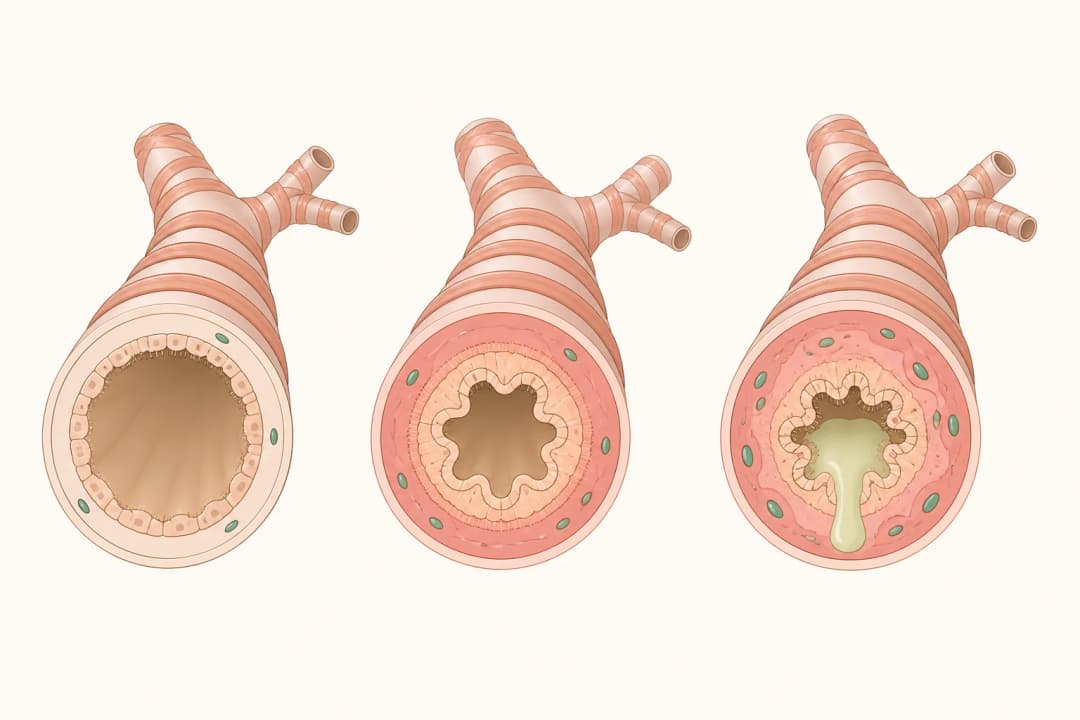
Allergic triggers such as dust mites, pollen, mould, or animal dander can set off inflammation and tightening in susceptible airways. Inhaled corticosteroids target that inflammation; they are not the same as anabolic steroids. Reliever medicines relax airway muscles, but relief alone does not treat the underlying inflammation.
Treatment for nasal allergy may also reduce an important trigger burden when allergic rhinitis accompanies asthma, but it does not replace asthma medicine. Tablets or injectable biologic medicines may be considered for selected people whose asthma remains difficult to control after diagnosis, adherence, inhaler technique, and exposures have been reviewed.
Using treatment safely
Follow the label and your written action plan because inhalers that look similar can contain different medicines. Ask a clinician or pharmacist to watch your technique, and use a spacer if one is prescribed. Keep the mouthpiece clean, check the dose counter and expiry date, and arrange a replacement before the inhaler runs out.
Rinse your mouth and spit after a corticosteroid inhaler to reduce hoarseness and oral thrush. Report tremor, a racing heartbeat, persistent mouth soreness, or any new symptom after a medicine change. Do not stop a preventer suddenly or borrow another person's inhaler. Needing relief more often, waking with symptoms, or limiting activity warrants a treatment review.
When breathing trouble is urgent
Seek emergency help for severe breathlessness, difficulty speaking in full sentences, blue or grey lips, confusion, exhaustion, collapse, or rapidly worsening chest tightness. Sit upright and use the prescribed reliever exactly as the personal action plan directs while help is arranged.
Emergency assessment is also needed when the reliever is not helping, there is no reliever available during marked breathing difficulty, or symptoms return quickly after initial relief. Do not delay urgent care to search for a suspected allergen or to try an unprescribed remedy.
Questions for your medication review
Ask which inhaler is the preventer, which one should relieve symptoms, and whether one device has both roles. Confirm what changes in cough, wheeze, night waking, activity, or peak-flow readings should trigger each part of your action plan.
Bring every inhaler, spacer, and a list of other medicines to the visit. Useful topics include technique, possible side effects, safe exercise, managing nasal allergy, avoiding relevant triggers, and what to do if a dose is missed or the device is lost while travelling.
Find care
General Clinics & Polyclinics in Abu Dhabi
That answer is general. If you want it applied to your own case, these are licensed general clinics & polyclinics listed in Abu Dhabi.
27 Ar Ruwwad St - Shakhbout City - MSH4 - Abu Dhabi - United Arab Emirates
Accepts: Daman, Thiqa, Cigna, MetLife +20 more
Al Ruwais, Al Dhafrah
Accepts: Daman, Thiqa, AXA, Cigna +16 more
Al Bahyah - Al Bahyah Old - Abu Dhabi - United Arab Emirates
Accepts: Daman, Thiqa, Cigna, Allianz Care +18 more
Abu Dhabi
Accepts: Daman, Thiqa, AXA, Cigna +27 more
Ordered by verification status and how complete each clinic's public record is, then alphabetically. This is a directory listing, not a ranking — Zavis does not rate or recommend providers.
A factual listing drawn from the DHA, DOH and MOHAP licence registers. It is not a referral, an endorsement, or advice that any of these providers is right for you.
Questions people ask
Can I use only a reliever when allergic asthma symptoms appear?
That depends on the prescribed regimen. A reliever can ease narrowed airways, but many people also need an inhaled anti-inflammatory medicine. Follow your personal action plan and request a review if relief is needed more often.
Should I stop my preventer when I feel well?
Feeling well may reflect good control from the preventer. Continue it as prescribed and discuss any step-down with the clinician managing your asthma rather than stopping it on your own.
Does treating the allergy replace asthma medication?
No. Reducing relevant allergen exposure and treating allergic rhinitis may support control, but prescribed asthma medicines still address inflammation and narrowing in the lower airways.
Related
Related reading
Keep reading
Medical disclaimer. This page is general health information, not medical advice, and it cannot diagnose you. Always consult a licensed healthcare provider about your own symptoms and treatment. In an emergency in the UAE, call 998 for an ambulance.