
Diagnostic Hysteroscopy: What the Test Involves
At a glance
- Also called
- Womb camera test
- Views
- Inside of the womb
- May include
- Biopsy of the lining
Find care
General Clinics & Polyclinics in Abu Dhabi
Licensed general clinics & polyclinics listed in Abu Dhabi. Appearing here means a provider holds a UAE licence in this category — not that it offers diagnostic hysteroscopy: what the test involves, which is worth confirming with the clinic before you book.
27 Ar Ruwwad St - Shakhbout City - MSH4 - Abu Dhabi - United Arab Emirates
Accepts: Daman, Thiqa, Cigna, MetLife +20 more
Al Ruwais, Al Dhafrah
Accepts: Daman, Thiqa, AXA, Cigna +16 more
Al Bahyah - Al Bahyah Old - Abu Dhabi - United Arab Emirates
Accepts: Daman, Thiqa, Cigna, Allianz Care +18 more
Abu Dhabi
Accepts: Daman, Thiqa, AXA, Cigna +27 more
The New EMI State Tower - 3rd Floor 303 Kan’ad Street - Hamdan Bin Mohammed St - Al Danah - Zone 1 - Abu Dhabi - United Arab Emirates
Accepts: Daman, Thiqa, Cigna, MetLife +22 more
Taj Resorts RV-1, Al Nasser Properties - Mafraq-2 - Mafraq Industrial Area - Abu Dhabi - United Arab Emirates
Accepts: Daman, Thiqa, AXA, Cigna +14 more
Ordered by verification status and how complete each clinic's public record is, then alphabetically. This is a directory listing, not a ranking — Zavis does not rate or recommend providers.
A factual listing drawn from the DHA, DOH and MOHAP licence registers. It is not a referral, an endorsement, or advice that any of these providers is right for you.
What is diagnostic hysteroscopy?
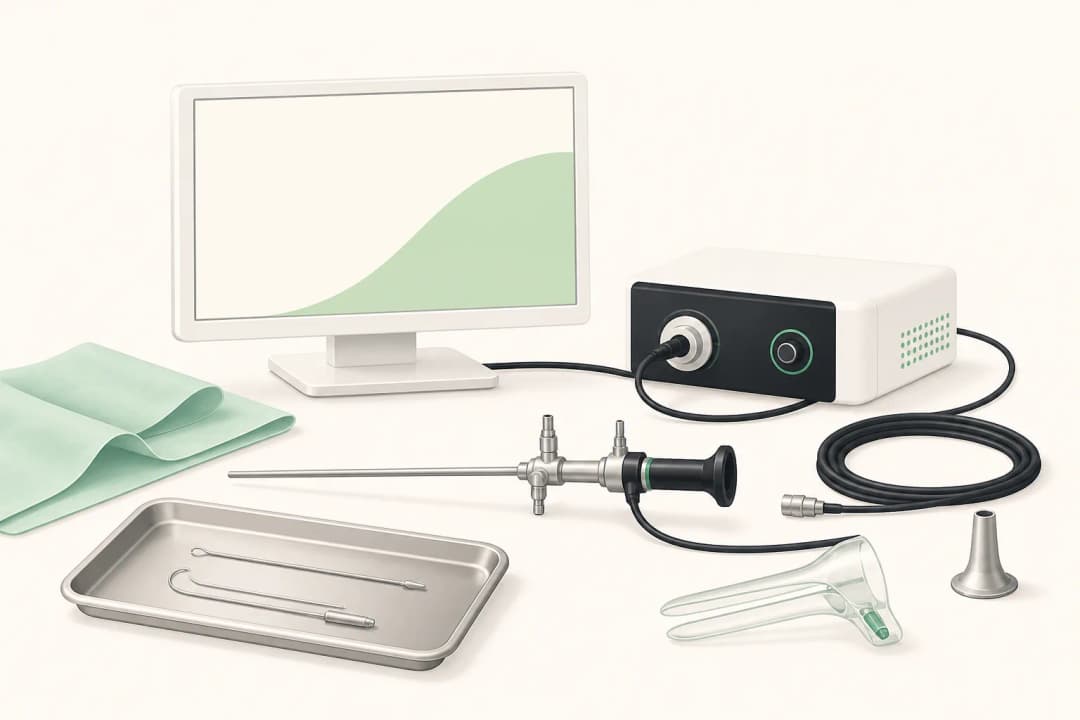
Diagnostic hysteroscopy is a test that lets a clinician inspect the inside lining of the womb. A thin hysteroscope passes through the vagina and cervix; fluid gently opens the cavity so the lining can be seen. The clinician may take a small biopsy or identify a growth that needs treatment.
Diagnostic hysteroscopy uses a slim camera passed through the cervix to look directly inside the womb and investigate symptoms.
What does the test involve?
You will discuss medicines, pregnancy possibility and the planned pain relief or anaesthetic. In the procedure room, the hysteroscope is guided through the vagina and cervix into the womb. Fluid is introduced for a clear view. The clinician may take tissue for laboratory examination, then removes the instrument and observes you before discharge.
Is it safe, and how accurate is it?
Diagnostic hysteroscopy is generally well tolerated, but cramping, light bleeding, infection or a small injury to the cervix or womb can occur. Direct viewing can show changes inside the womb, yet it cannot identify every microscopic problem. A biopsy is needed when tissue needs laboratory confirmation. Ask what symptoms should prompt urgent contact.
What happens if the result is abnormal?
The next step depends on what was seen and whether a biopsy was taken. A polyp or another visible growth may lead to a discussion about removal. A laboratory result may support monitoring, medicine or further treatment. Your clinician should explain the finding, when results are expected and which symptoms require review.
Key facts
Unlike an external scan, hysteroscopy provides a direct view of the womb cavity. It can help investigate unusual bleeding, difficulty conceiving or suspected changes in the lining. Tell the service if you may be pregnant, have an active pelvic infection or take medicines that affect bleeding.
Who may need it?
A clinician may suggest this test for bleeding between periods, bleeding after menopause, repeated miscarriage, difficulty conceiving or an abnormal scan. It can investigate suspected endometrial polyps, which are growths from the womb lining. The reason for testing should be clear before you consent.
Procedure steps
First, the team confirms your history and the planned anaesthetic. You are positioned for the examination, and the hysteroscope is passed through the cervix. Fluid expands the womb cavity while the clinician checks the lining. If needed, a biopsy is taken. You then receive recovery advice and a plan for results.
After the test
Mild cramps and spotting may occur after hysteroscopy. Arrange help getting home if you had sedation or a general anaesthetic, and follow the service’s advice about driving. Use pads if recommended. Contact the clinic for fever, increasing pain, heavy bleeding or unusual discharge.
Risks and limitations
Possible complications include infection, heavier bleeding and a small tear or perforation of the cervix or womb. Some people find the passage through the cervix uncomfortable. The view is limited if the cavity cannot be entered or expanded, and a normal-looking lining may still need biopsy when symptoms persist.
Other tests
A transvaginal ultrasound uses sound waves to assess the uterus and nearby pelvic organs without placing a camera inside the womb. It may be a useful first investigation, but it cannot provide the same direct view of the cavity. The choice depends on symptoms, previous findings and whether tissue sampling is needed.
Choosing a service
Choose a gynaecology service that can explain the test, offer an appropriate pain-relief plan and arrange laboratory follow-up when a biopsy is taken. Ask when you can resume activities, how results will be shared and whom to contact if bleeding or pain increases.
Questions people ask
Can I eat before diagnostic hysteroscopy?
Instructions differ according to whether you have local anaesthetic, sedation or general anaesthetic, so follow the service’s preparation advice.
Can hysteroscopy remove a polyp?
Some services can remove a visible polyp during a planned operative procedure; diagnostic hysteroscopy itself may only inspect and sample it.
How will I receive the result?
The clinician may discuss what was visible on the day, while biopsy findings are shared later through the agreed follow-up route.
Related
Related reading
Keep reading
Medical disclaimer. This page is general health information, not medical advice, and it cannot diagnose you. Always consult a licensed healthcare provider about your own symptoms and treatment. In an emergency in the UAE, call 998 for an ambulance.