
Colposcopy
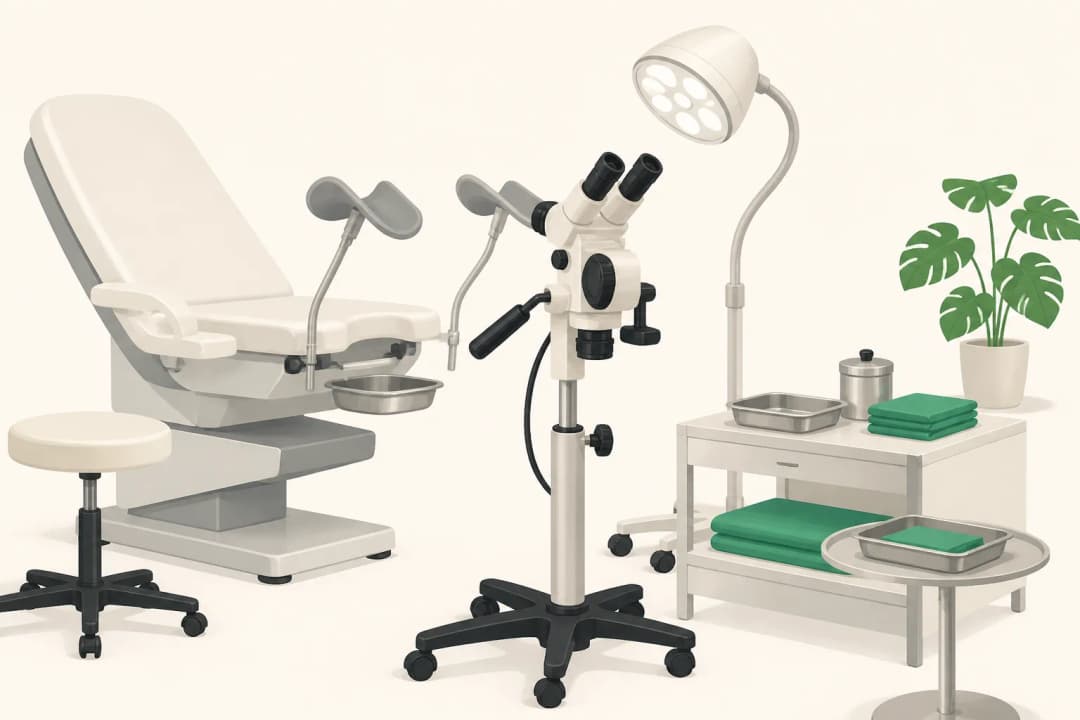
At a glance
- What it uses
- Magnification and solution
- Possible add-on
- Small biopsy
- Setting
- Usually outpatient
Find care
General Clinics & Polyclinics in Abu Dhabi
Licensed general clinics & polyclinics listed in Abu Dhabi. Appearing here means a provider holds a UAE licence in this category — not that it offers colposcopy, which is worth confirming with the clinic before you book.
27 Ar Ruwwad St - Shakhbout City - MSH4 - Abu Dhabi - United Arab Emirates
Accepts: Daman, Thiqa, Cigna, MetLife +20 more
Al Ruwais, Al Dhafrah
Accepts: Daman, Thiqa, AXA, Cigna +16 more
Al Bahyah - Al Bahyah Old - Abu Dhabi - United Arab Emirates
Accepts: Daman, Thiqa, Cigna, Allianz Care +18 more
Abu Dhabi
Accepts: Daman, Thiqa, AXA, Cigna +27 more
The New EMI State Tower - 3rd Floor 303 Kan’ad Street - Hamdan Bin Mohammed St - Al Danah - Zone 1 - Abu Dhabi - United Arab Emirates
Accepts: Daman, Thiqa, Cigna, MetLife +22 more
Taj Resorts RV-1, Al Nasser Properties - Mafraq-2 - Mafraq Industrial Area - Abu Dhabi - United Arab Emirates
Accepts: Daman, Thiqa, AXA, Cigna +14 more
Ordered by verification status and how complete each clinic's public record is, then alphabetically. This is a directory listing, not a ranking — Zavis does not rate or recommend providers.
A factual listing drawn from the DHA, DOH and MOHAP licence registers. It is not a referral, an endorsement, or advice that any of these providers is right for you.
What is colposcopy?
Colposcopy examines the cervix under magnification after an unusual screening result or visible change, and may include a small biopsy. Colposcopy is an examination of the cervix, vagina, or vulva using a colposcope, which stays outside the body and magnifies tissue. A clinician applies solutions that make unusual areas easier to see. If an area needs closer assessment, a small biopsy may be taken. Colposcopy is usually a follow-up investigation, not a diagnosis of cancer by itself.
What does the test involve?
You lie in an examination position while a speculum gently holds the vaginal walls apart. The clinician views the cervix through the colposcope, applies a solution, and looks for changes in colour or surface pattern. If needed, a tiny tissue sample is taken for laboratory examination. You can ask the clinician to pause, explain each step, or discuss discomfort relief.
Is it safe, and how accurate is it?
Colposcopy is generally a brief outpatient examination, but a biopsy can cause a sharp pinch, cramping, light bleeding, or discharge. The magnified view helps target tissue, while the laboratory examination of a biopsy provides more information than visual inspection alone. No examination identifies every change, so your clinician interprets the findings alongside your screening history and symptoms.
What happens if the result is abnormal?
An abnormal appearance or biopsy does not automatically mean cancer. The result may show no significant change, HPV-related cell changes, or a level of dysplasia that needs monitoring or treatment. Your clinician explains the grade, the recommended follow-up, and whether another procedure is needed. Follow-up can include repeat testing, a cone biopsy, or loop excision of the cervix.
Key facts
Colposcopy can assess the cervix and, when indicated, nearby genital tissue. Avoid vaginal medicines, sex, and tampons for the period advised by your clinic before the appointment. Tell the team if you are pregnant, take blood-thinning medicine, or have a bleeding condition. You can usually return home after the examination.
Who may be referred?
Referral may follow an unusual cervical screening result, persistent HPV findings, unexplained bleeding after sex, or a visible cervical change. A clinician may also examine the vulva or vagina when tissue looks unusual. The reason for referral affects which areas are examined and whether a biopsy is recommended.
Steps during the appointment
The clinician reviews your history, positions the speculum, examines the tissue through the colposcope, and applies a solution. Any biopsy is labelled and sent for assessment. Before you leave, the team discusses expected spotting, how results will arrive, and which symptoms should prompt contact.
Recovery after colposcopy
Light bleeding or dark discharge can follow a biopsy. Use sanitary pads rather than tampons while bleeding continues if your clinic advises this, and follow its guidance about sex, swimming, and exercise. Contact the service for heavy bleeding, fever, severe pain, or an unpleasant-smelling discharge.
Risks and limitations
The examination can be uncomfortable, and biopsy can cause bleeding or infection. A sample may be too small to interpret, or the result may require correlation with earlier tests. Colposcopy does not replace follow-up: changes can persist, resolve, or need treatment over time.
Other tests and treatments
Depending on the referral, the pathway may begin with a [Cervical Screening Test](/treatments/diagnostics-and-imaging/cervical-screening-test/), [HPV Test](/treatments/diagnostics-and-imaging/hpv-test/), or [Pap Smear](/treatments/cancer-screening/pap-smear/). If treatment is needed, a [Cone Biopsy](/treatments/gynaecological-surgery/cone-biopsy/) or [Loop Excision of the Cervix](/treatments/gynaecological-surgery/loop-excision-of-the-cervix/) may be discussed. [Cervical Dysplasia](/conditions/cervical-dysplasia/) explains one possible finding.
Finding colposcopy care
Choose a gynaecology or cervical-screening service with colposcopy facilities and pathology follow-up. Ask how discomfort is managed, whether you can bring a support person, when results will be ready, and who to contact afterward. Bring your screening letters and medication information.
Questions people ask
Does colposcopy hurt?
The speculum can feel uncomfortable, and a biopsy may cause a brief pinch or cramp.
Does an abnormal result mean cancer?
No. Abnormal findings can reflect HPV-related changes or dysplasia and need interpretation and follow-up.
Can I go home afterward?
Most people leave after the appointment, with specific aftercare advice if a biopsy was taken.
Related
Related reading
Keep reading
Medical disclaimer. This page is general health information, not medical advice, and it cannot diagnose you. Always consult a licensed healthcare provider about your own symptoms and treatment. In an emergency in the UAE, call 998 for an ambulance.