
Irregular Periods: Causes, Assessment and Treatment
Updated
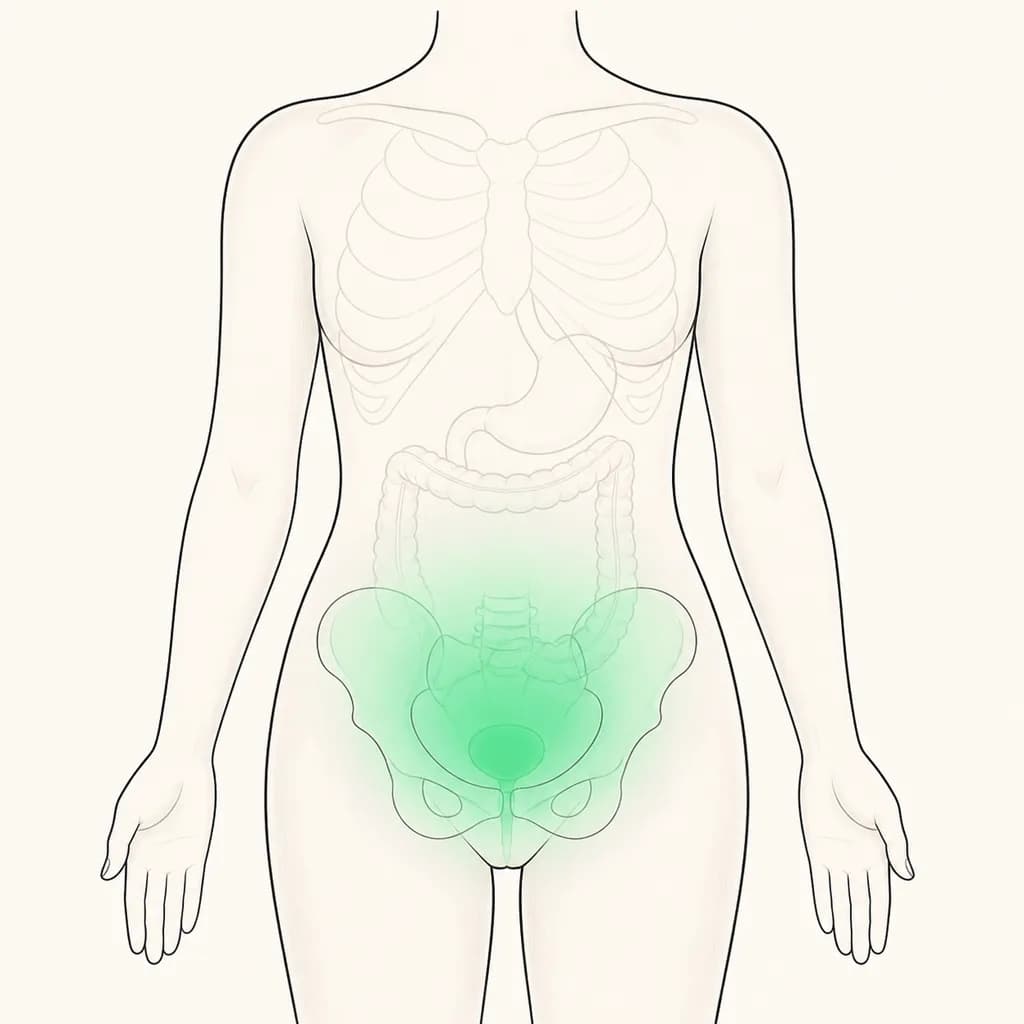
At a glance
- Also called
- Oligomenorrhoea or irregular menstrual cycle
- Useful first step
- Record bleeding dates, flow and associated symptoms
- Assessment
- May include pregnancy testing, blood tests or ultrasound
What irregular periods can feel like
Irregular periods can happen when ovulation or hormone signals change, and assessment helps identify the cause.
Your bleeding may arrive earlier or later than expected, vary in flow, last for a different number of days, or stop for a while. Some people notice spotting between bleeds, while others have no bleeding despite period symptoms. Keep a simple record of bleeding dates, flow changes, pain, medicines, contraception, stress, exercise and pregnancy possibility.
Is this urgent?
Seek urgent medical help for very heavy bleeding with dizziness, fainting, breathlessness or weakness, or for severe pelvic pain. Arrange prompt assessment for bleeding during pregnancy, bleeding after sex that keeps happening, or a new pattern after periods had been predictable. Otherwise, book a routine appointment if irregularity persists, affects daily life, or concerns you.
Possible causes
The causes below are listed alphabetically, not by likelihood. Anovulation means an egg is not released, so hormone levels may not follow the pattern that triggers regular bleeding. Hyperprolactinaemia involves raised prolactin, which can interrupt reproductive hormone signals. Hypothalamic amenorrhoea can occur when the brain reduces reproductive signalling in the setting of low energy availability, intense exercise or stress. Perimenopause can make ovulation and bleeding less predictable. Polycystic Ovary Syndrome may involve irregular ovulation alongside features such as acne or increased facial hair. Premature Ovarian Insufficiency can reduce ovarian hormone activity earlier than expected.
How clinicians assess irregular periods
A clinician may ask about your cycle history, pregnancy possibility, symptoms, health conditions, medicines, weight or energy changes, exercise and stress. Examination is guided by your symptoms. Tests may include a pregnancy test, blood tests for hormone signals or thyroid function, and an ultrasound when the pelvic organs or ovaries need checking. Bring your bleeding record and a list of medicines and supplements.
Treatment depends on the cause
Treatment may involve regulating bleeding, protecting the womb lining, replacing hormones, or addressing a health factor affecting ovulation. A Combined Pill may be discussed when suitable for cycle control or contraception. Metformin for PCOS may be considered for some people with PCOS, alongside tailored lifestyle and fertility planning. If pregnancy is possible or desired, say so before choosing treatment because it changes the options.
What may help prevent disruption
Track changes early, eat regularly, avoid sudden restrictive dieting, balance intense exercise with recovery, and review medicines or contraception with a clinician before stopping them. Managing stress and treating conditions that affect hormones may support a steadier pattern, although not every cause can be prevented.
Symptoms to mention
Mention pelvic pain, heavy bleeding, hot flushes, vaginal dryness, acne, increased facial hair, hair thinning, nipple discharge, headaches, vision changes or difficulty becoming pregnant. These details help distinguish changes in ovulation from other hormone or pelvic concerns.
When follow-up matters
Follow-up can clarify whether irregularity is temporary or linked with an ongoing condition. It may also help protect the womb lining, address anaemia symptoms, plan contraception, or support pregnancy goals. Ask what change should trigger another appointment and when your results will be reviewed.
Find care
Fertility & IVF in Dubai
Where irregular periods: causes, assessment and treatment is assessed depends on what is causing it. These are licensed fertility & ivf listed in Dubai.
Allahbadia Fertility Clinic - Best Fertility Doctor in Dubai | IVF Doctor in Dubai | ICSI | IUI | Family Balancing
Accepts: Daman, Thiqa, AXA, Cigna +12 more
Dubai Healthcare City, Dubai
Accepts: Daman, Cigna, Allianz Care, Aetna International +10 more
Al Razi Building 64, Block C - Unit 1017 1st Floor - أم هرير الثانية - Dubai Healthcare City - دبي - United Arab Emirates
Accepts: Daman, AXA, Cigna, MetLife +13 more
Jumeira St - Umm Suqeim Third - Umm Suqeim 3 - Dubai - United Arab Emirates
Accepts: Daman, Thiqa, AXA, Cigna +9 more
Ordered by verification status and how complete each clinic's public record is, then alphabetically. This is a directory listing, not a ranking — Zavis does not rate or recommend providers.
A factual listing drawn from the UAE health regulators' public licence registers. It is not a referral, an endorsement, or advice that any of these providers is right for you.
Questions people ask
Can stress change periods?
Stress can affect brain-to-ovary hormone signalling and may alter ovulation or bleeding timing; persistent changes still deserve assessment.
Should I seek care if a period is late?
Take a pregnancy test when relevant and arrange care if bleeding remains absent, irregularity continues, or you have pain or other concerning symptoms.
Related
Related reading
Keep reading
Medical disclaimer. This page is general health information, not medical advice, and it cannot diagnose you. Always consult a licensed healthcare provider about your own symptoms and treatment. In an emergency in the UAE, call 998 for an ambulance.