
Heavy Periods: Causes, Diagnosis and Treatment
Updated
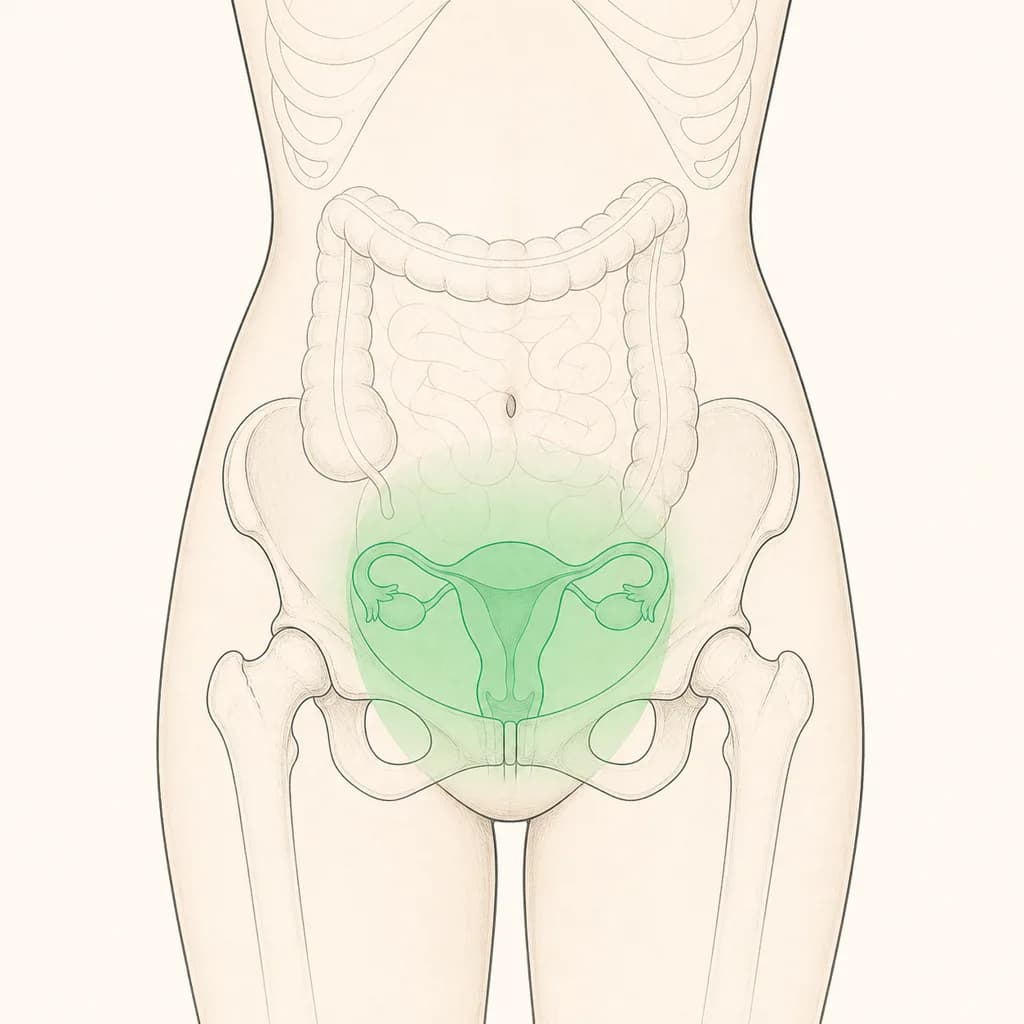
At a glance
- Also called
- Menorrhagia or heavy menstrual bleeding
- Possible associated problem
- Iron deficiency anaemia
- Useful preparation
- Record bleeding days, flooding, clots and symptoms
What heavy periods can feel like
Heavy periods can cause flooding, clots, tiredness and anaemia, and a clinician can check their cause and offer treatment.
Heavy menstrual bleeding may mean soaking through period products quickly, needing to change protection during the night, passing clots, or bleeding that disrupts work, sleep, exercise or intimacy. Some people notice a longer bleed or bleeding between periods. The amount can be difficult to judge, so recording product changes, clots and days of bleeding can help describe the pattern.
Ongoing blood loss may leave you unusually tired, short of breath when active, dizzy, pale or aware of a racing heartbeat. These symptoms can occur with iron deficiency anaemia, which can develop alongside heavy periods.
Is this urgent?
Seek urgent medical help if bleeding is so heavy that you feel faint, confused, very weak or breathless, or if severe pelvic pain, fever or possible pregnancy accompanies the bleeding. If you are soaking protection repeatedly over a short time or cannot keep up with the blood loss, contact urgent care.
Arrange a routine appointment if heavy bleeding is new, keeps returning, happens after sex, occurs between periods, or is affecting your activities. Bleeding after menopause needs prompt assessment.
Possible causes of heavy periods
The causes below are listed alphabetically, not as a likelihood ranking. Adenomyosis can make the womb lining grow into the muscle wall and may bring heavy bleeding with painful periods. Endometrial hyperplasia is an overgrowth of the womb lining. Endometrial polyps are small growths in the lining that can cause irregular or heavy bleeding.
Iron deficiency anaemia can follow repeated blood loss and can also make tiredness and breathlessness more noticeable. Perimenopause can bring changing ovulation and unpredictable, heavier bleeding. Polycystic ovary syndrome may lead to infrequent ovulation and a build-up of the womb lining. Uterine fibroids are non-cancerous growths in the muscle of the womb and can increase bleeding or pressure symptoms.
How heavy periods are diagnosed
A clinician will ask when the bleeding started, how it affects you, whether you pass clots, your pain pattern, medicines, contraception, pregnancy possibility and relevant medical history. Examination may include the abdomen and, when appropriate, a pelvic examination.
Blood tests can look for anaemia and other clues. Depending on your symptoms, age and examination, assessment may include an ultrasound or another test that views the womb lining. Bring a record of bleeding days and product changes; it gives the clinician a clearer picture than trying to remember a cycle later.
Treatment options by cause
Treatment depends on the bleeding pattern, its cause, your symptoms and whether you want contraception or a future pregnancy. Medicines may reduce blood loss during a period; tranexamic acid is one option a clinician may consider. A hormonal coil can thin the womb lining and may reduce bleeding for some people.
When fibroids or polyps are contributing, procedures may remove or shrink the relevant tissue. Options can include myomectomy, uterine artery embolisation or hysterectomy, depending on the findings and reproductive plans. Endometrial ablation treats the womb lining and is not suitable for everyone, particularly when future pregnancy is wanted. Treating iron deficiency may be needed alongside control of the bleeding.
Reducing future impact
Keep a simple cycle diary, including bleeding, clots, pain and missed activities. Attend follow-up if the pattern changes, and take prescribed treatment as directed. Eating iron-containing foods supports general nutrition, but it does not replace assessment when bleeding is heavy or symptoms suggest anaemia.
Tell a clinician about medicines, an intrauterine device, bleeding disorders in your family and plans for pregnancy. These details can change which preventive or treatment choices are appropriate.
Symptoms that may occur alongside heavy periods
Pelvic pressure or pain, painful sex, irregular cycles, bleeding between periods and fatigue can provide useful clues about the cause. Breathlessness, dizziness and paleness may point to iron deficiency after repeated blood loss. Note which symptoms occur together and whether they follow a predictable cycle.
Where to go next
Start with a GP or gynaecology appointment if heavy bleeding is affecting your life or has changed from your usual pattern. Take your symptom diary and a list of medicines. Assessment can identify treatable causes and check for iron deficiency, while treatment can be reviewed if the first option does not suit you.
Find care
Radiology & Imaging in Dubai
Where heavy periods: causes, diagnosis and treatment is assessed depends on what is causing it. These are licensed radiology & imaging listed in Dubai.
LEADER, 3 Street 99, DUBAI INVESTMENT PARK FIRST, Dubai
Accepts: Daman, Thiqa, AXA, Cigna +21 more
villa, Al Wasl Road, JUMEIRAH FIRST, Dubai
Accepts: Daman, Thiqa, AXA, Cigna +20 more
Aletihad Diagnostic Center, Alwasl Road, AL SAFFA SECOND, Dubai
Accepts: AXA, Cigna, MetLife, Allianz Care +22 more
Moza Suwaidan Saeed Building, 45b Street 27, AL MURQABAT, Dubai
Accepts: Thiqa, AXA, Cigna, MetLife +15 more
Ordered by verification status and how complete each clinic's public record is, then alphabetically. This is a directory listing, not a ranking — Zavis does not rate or recommend providers.
A factual listing drawn from the UAE health regulators' public licence registers. It is not a referral, an endorsement, or advice that any of these providers is right for you.
Questions people ask
Can heavy periods cause anaemia?
Yes. Repeated menstrual blood loss can deplete iron and lead to iron deficiency anaemia, with tiredness, dizziness or breathlessness.
Should I track my bleeding?
Yes. Recording bleeding days, product changes, clots, pain and missed activities helps a clinician assess the pattern.
Can heavy periods be treated without surgery?
Often, medicines or hormonal treatment may be considered, but the right option depends on the cause, symptoms and pregnancy plans.
Related
Related reading
Keep reading
Medical disclaimer. This page is general health information, not medical advice, and it cannot diagnose you. Always consult a licensed healthcare provider about your own symptoms and treatment. In an emergency in the UAE, call 998 for an ambulance.