
Hormonal Coil
At a glance
- Type
- Long-acting reversible contraception
- Location
- Inside the womb
- Hormone
- Progestogen
Find care
General Clinics & Polyclinics in Abu Dhabi
Licensed general clinics & polyclinics listed in Abu Dhabi. Appearing here means a provider holds a UAE licence in this category — not that it offers hormonal coil, which is worth confirming with the clinic before you book.
27 Ar Ruwwad St - Shakhbout City - MSH4 - Abu Dhabi - United Arab Emirates
Accepts: Daman, Thiqa, Cigna, MetLife +20 more
Al Ruwais, Al Dhafrah
Accepts: Daman, Thiqa, AXA, Cigna +16 more
Al Bahyah - Al Bahyah Old - Abu Dhabi - United Arab Emirates
Accepts: Daman, Thiqa, Cigna, Allianz Care +18 more
Abu Dhabi
Accepts: Daman, Thiqa, AXA, Cigna +27 more
The New EMI State Tower - 3rd Floor 303 Kan’ad Street - Hamdan Bin Mohammed St - Al Danah - Zone 1 - Abu Dhabi - United Arab Emirates
Accepts: Daman, Thiqa, Cigna, MetLife +22 more
Taj Resorts RV-1, Al Nasser Properties - Mafraq-2 - Mafraq Industrial Area - Abu Dhabi - United Arab Emirates
Accepts: Daman, Thiqa, AXA, Cigna +14 more
Ordered by verification status and how complete each clinic's public record is, then alphabetically. This is a directory listing, not a ranking — Zavis does not rate or recommend providers.
A factual listing drawn from the DHA, DOH and MOHAP licence registers. It is not a referral, an endorsement, or advice that any of these providers is right for you.
What is a hormonal coil?
A hormonal coil is a small device placed in the womb that releases progestogen for contraception and may make periods lighter.
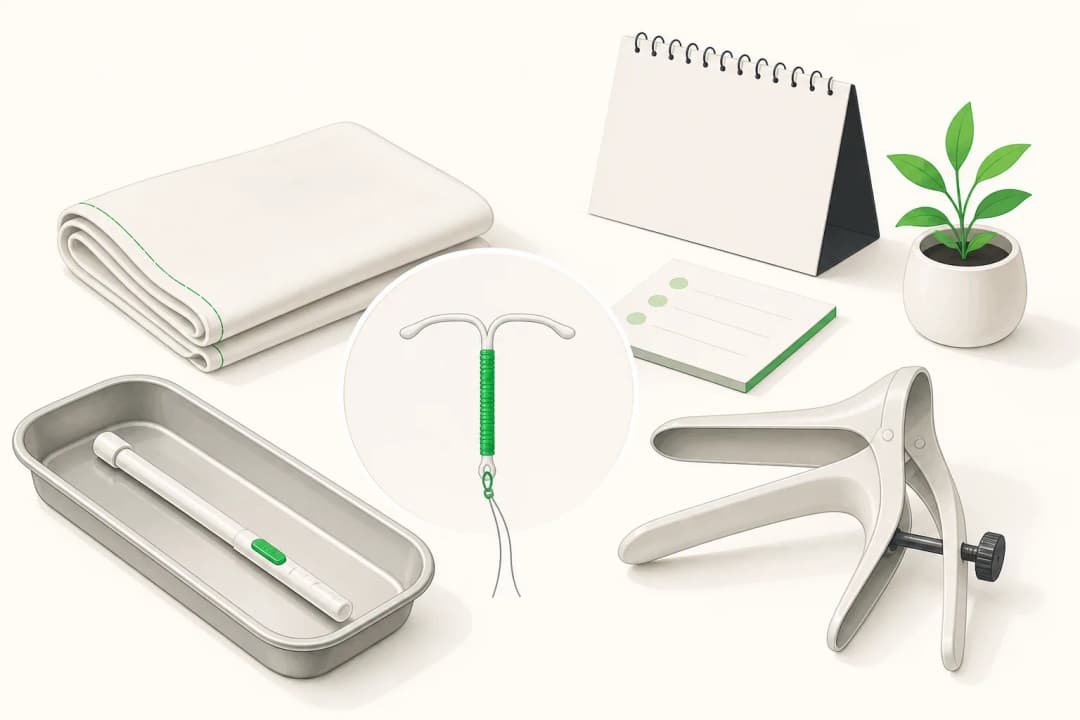
A hormonal coil, also called an intrauterine system or hormonal IUD, is a small T-shaped device placed inside the womb. It releases a progestogen into the womb, thickening cervical mucus and making the womb lining thinner. These changes help prevent pregnancy. Some people also choose it because bleeding and period pain may become lighter over time.
How fast will I feel a difference?
Contraceptive protection can begin soon after insertion, depending on where you are in your cycle and the advice given by your clinician. Cramping and spotting are common at first. Bleeding may be irregular during the early months, then often settles into a lighter pattern. The coil does not usually create an immediate change in period symptoms.
What are the side effects?
Possible effects include cramping, spotting, irregular bleeding, headache, breast tenderness, acne or mood changes. Because the hormone is released mainly in the womb, whole-body effects may be less noticeable for some people, but experiences differ. Seek urgent medical help for severe pain, fever, unusual discharge or very heavy bleeding after insertion.
How long will I be on it?
A hormonal coil can remain in place for several years, with the exact duration depending on the product and its purpose. It can be removed at any time by a trained clinician. Fertility generally returns after removal, although the timing of pregnancy is individual. A replacement can be discussed before its approved duration ends.
Key facts
The coil works continuously without a daily tablet. It does not protect against sexually transmitted infections, so barrier protection may still be needed. A clinician checks the womb and medical history before insertion. Period changes are expected, and a review is useful if symptoms remain troublesome.
Who may consider it?
It may suit someone seeking long-acting, reversible contraception or help with heavy periods. It may also be considered alongside care for adenomyosis, endometriosis, uterine fibroids or endometrial hyperplasia. A clinician will assess pregnancy possibility, pelvic infection, unexplained bleeding and womb shape before recommending it.
What happens during insertion?
The clinician discusses your history, checks that insertion is appropriate and explains pain-relief options. During the appointment, a speculum holds the vagina open, the cervix is cleaned, and the device is guided through the cervix into the womb. The threads are trimmed so its position can be checked later. Cramping can occur during or after the procedure.
After insertion
Mild cramps and spotting may last for a short period. You can usually return to ordinary activities when you feel ready, following the clinic's advice. Check the threads only if your clinician recommends it. Arrange review if you cannot feel them, feel hard plastic, develop worsening pain or notice pregnancy symptoms.
Risks and when to get help
Rare complications include the device coming out, damage to the womb during insertion, or infection soon after placement. Sudden severe lower-abdominal pain, fainting, fever, offensive discharge or very heavy bleeding needs prompt medical assessment. A late period or pregnancy symptoms also warrant contact with a clinician.
Alternatives
Options include the copper coil, contraceptive implant, female sterilisation and endometrial ablation. The copper coil has no hormone but can increase bleeding for some people. Sterilisation is intended to be permanent, while ablation treats the womb lining and is not a contraceptive substitute on its own.
Finding a provider
Choose a qualified gynaecology or contraception provider who can discuss your bleeding pattern, pregnancy plans, pain-relief choices and follow-up. Bring a list of medicines and describe any previous pelvic procedures or infections. Ask which device is offered and when it should be checked or replaced.
Questions people ask
Can a hormonal coil be removed?
Yes. A trained clinician can remove it when you choose, and fertility generally returns afterwards.
Will it stop my periods?
Some people have much lighter bleeding or no bleeding, while others continue to bleed regularly.
Does it protect against infections?
No. It prevents pregnancy but does not protect against sexually transmitted infections.
Related
Related reading
Keep reading
Medical disclaimer. This page is general health information, not medical advice, and it cannot diagnose you. Always consult a licensed healthcare provider about your own symptoms and treatment. In an emergency in the UAE, call 998 for an ambulance.