
Oestradiol
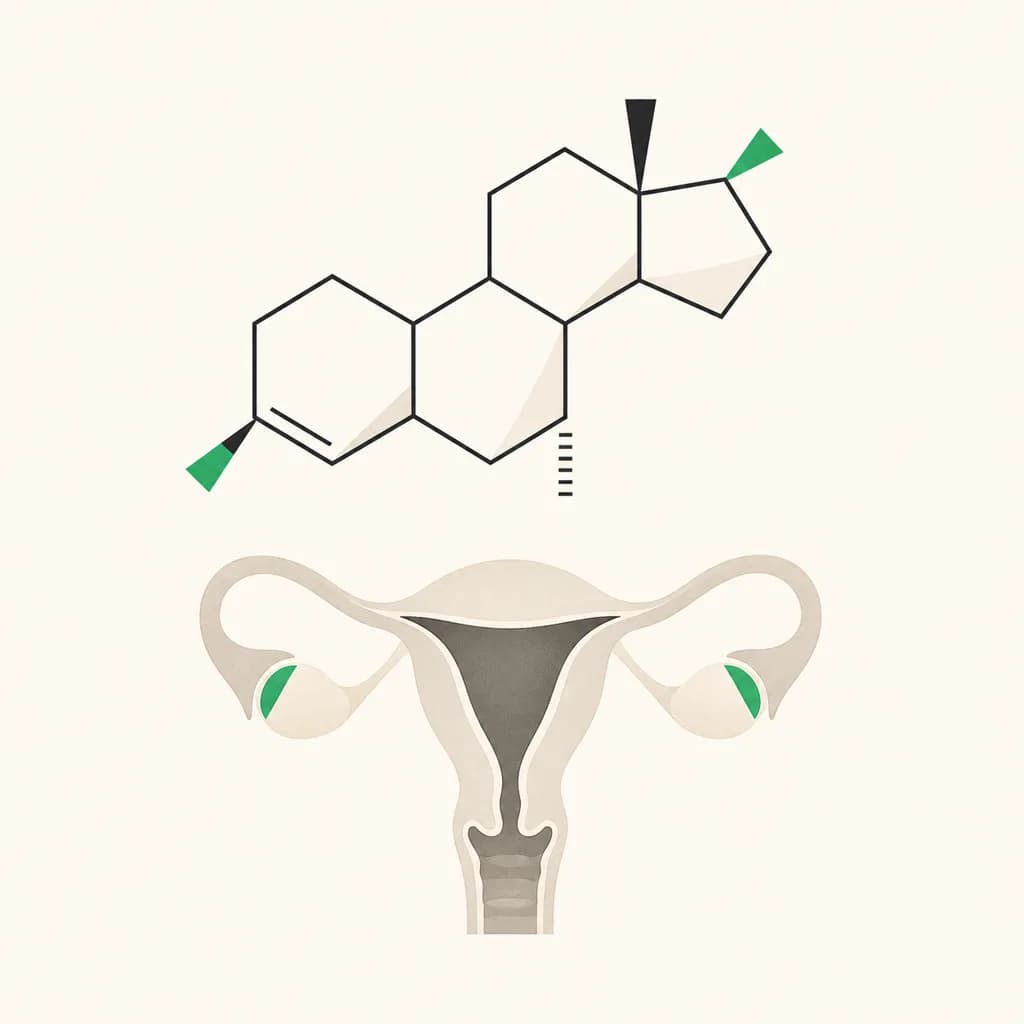
At a glance
- Hormone type
- Oestrogen hormone
- Main routes
- Skin, oral or vaginal forms
- Uses
- Menopause and local vaginal symptoms
What oestradiol is
Oestradiol is an oestrogen hormone used to replace or supplement oestrogen in selected treatments.
Oestradiol is the main oestrogen hormone made by the ovaries during the reproductive years. It helps influence the menstrual cycle and supports tissues such as the vagina, uterus and bones. Levels commonly change around menopause, which can contribute to hot flushes, night sweats, vaginal dryness and changes in bleeding patterns.
How oestradiol behaves
Oestradiol attaches to oestrogen receptors in different tissues. The effect depends on the dose, the route used and whether treatment acts throughout the body or mainly in the vaginal area. It may be supplied as a tablet, patch, gel, spray, cream, pessary or ring, depending on the treatment plan.
Where oestradiol is used
Oestradiol may be part of Hormone Replacement Therapy for menopause symptoms when a clinician considers it suitable. Low-dose vaginal forms may be used for vaginal dryness, irritation or discomfort linked with reduced oestrogen. Treatment choice takes account of symptoms, medical history, the presence of a uterus and any other medicines.
Possible alternatives
Some people manage menopause symptoms with non-hormonal medicines, moisturisers, lubricants, lifestyle changes or treatment aimed at a particular symptom. The suitable option depends on the symptom and health history; a clinician can compare expected benefits, precautions and practical choices.
What this means for you
The same word, oestradiol, can describe treatments with very different routes and purposes. Ask which product you have, where it is meant to act, how often to use it and what to do after a missed dose. New or unexpected vaginal bleeding, breast changes, severe headache, chest pain, breathlessness or one-sided leg swelling needs prompt medical advice.
Using it safely over time
A review helps confirm that the treatment still matches your symptoms and health needs. Keep follow-up appointments, use the prescribed amount and mention migraines, blood clots, liver disease, unexplained bleeding or a history of hormone-sensitive cancer before starting or changing oestradiol. Do not stop or alter treatment without advice if symptoms return or side effects appear.
Find care
General Clinics & Polyclinics in Abu Dhabi
Licensed general clinics & polyclinics listed in Abu Dhabi, for the reader who wants this looked at in person.
27 Ar Ruwwad St - Shakhbout City - MSH4 - Abu Dhabi - United Arab Emirates
Accepts: Daman, Thiqa, Cigna, MetLife +20 more
Al Ruwais, Al Dhafrah
Accepts: Daman, Thiqa, AXA, Cigna +16 more
Al Bahyah - Al Bahyah Old - Abu Dhabi - United Arab Emirates
Accepts: Daman, Thiqa, Cigna, Allianz Care +18 more
Abu Dhabi
Accepts: Daman, Thiqa, AXA, Cigna +27 more
Ordered by verification status and how complete each clinic's public record is, then alphabetically. This is a directory listing, not a ranking — Zavis does not rate or recommend providers.
A factual listing drawn from the DHA, DOH and MOHAP licence registers. It is not a referral, an endorsement, or advice that any of these providers is right for you.
Questions people ask
Is oestradiol the same as oestrogen?
Oestradiol is one specific form of the oestrogen hormone used in medical treatment.
Can oestradiol be used vaginally?
Yes. Vaginal oestradiol can target vaginal tissues, and the product instructions should be followed carefully.
Related
Related reading
Keep reading
Medical disclaimer. This page is general health information, not medical advice, and it cannot diagnose you. Always consult a licensed healthcare provider about your own symptoms and treatment. In an emergency in the UAE, call 998 for an ambulance.