
Non-Hodgkin Lymphoma
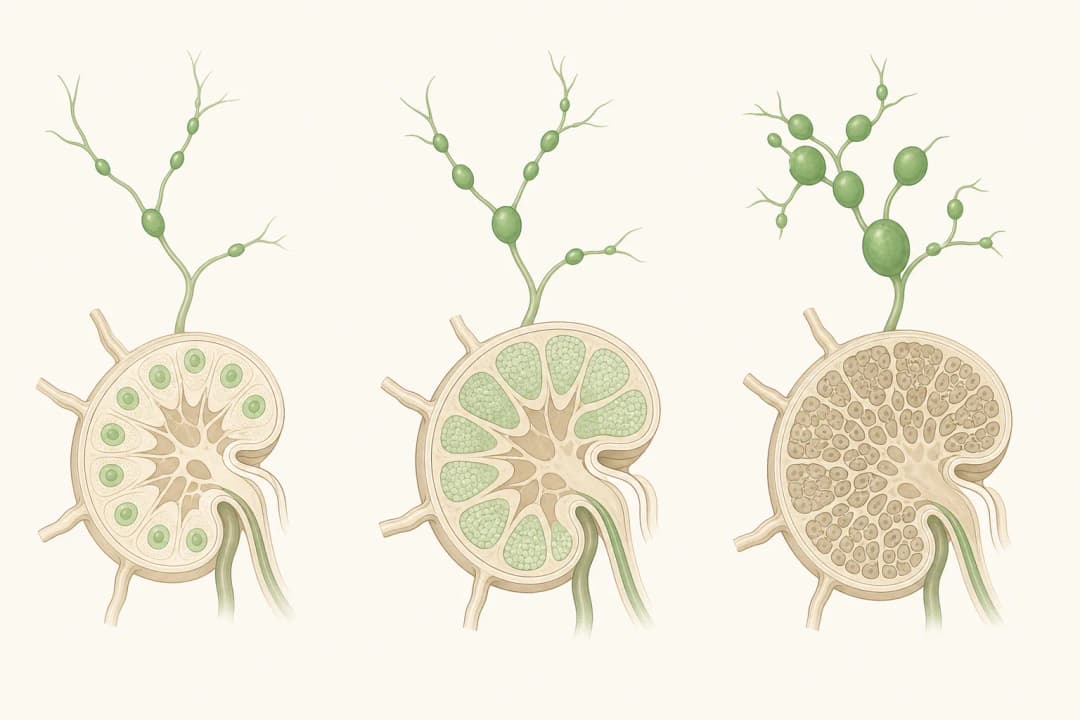
At a glance
- Also called
- NHL
- Starts in
- Lymphocytes
- Specialist care
- Haematology or oncology
What non-Hodgkin lymphoma is
Non-Hodgkin lymphoma is a group of cancers that begin in lymphocytes, a type of white blood cell.
Lymphocytes travel through lymph nodes, the spleen, bone marrow and other tissues, so lymphoma can involve different parts of the body. The name covers many subtypes that can behave differently and need different care.
Symptoms that can occur
Swollen lymph nodes are a very common presentation of non-Hodgkin lymphoma. Night sweats are a common presentation. Lymph nodes may enlarge in the neck, armpit or groin, and swelling can be painless.
Some people notice tiredness, fever, itching, reduced appetite, weight change, cough or abdominal discomfort. A lump that persists or grows, drenching sweats, fever, or new breathing difficulty should be assessed by a clinician.
Why lymphoma starts
Non-Hodgkin lymphoma develops when lymphocytes acquire changes that allow them to grow or survive abnormally. Usually, no clear single cause is found. Certain infections, immune-system conditions and medicines that suppress immunity can be relevant in some situations.
Different subtypes, different courses
Some lymphomas grow slowly and may be monitored before treatment is needed. Others grow more quickly and are usually treated soon after diagnosis. The subtype, where lymphoma is found, symptoms and test results shape the plan.
Factors clinicians consider
A weakened immune system, some autoimmune conditions and selected infections may be associated with particular lymphoma subtypes. Helicobacter pylori infection can be relevant to certain lymphomas of the stomach. These associations do not mean that a person with one of these factors will develop lymphoma.
Reaching a diagnosis
A biopsy, in which a sample of a lymph node or other affected tissue is examined, is usually needed to identify the subtype. Blood tests and scans help map where the lymphoma is present. Further tests may examine the bone marrow or the lymphoma cells themselves to help select treatment.
Treatment choices
The care team matches treatment to the lymphoma subtype, extent, symptoms and general health. Chemotherapy may be used to destroy lymphoma cells. Targeted therapy can act on features of lymphoma cells or immune pathways. Radiotherapy may treat a defined area. Some slow-growing lymphomas can be watched carefully until treatment is needed.
Support during care
Keep a note of symptoms and treatment effects so the team can respond early. Before treatment begins, ask about infection prevention, fertility concerns, work and travel plans, and who to contact outside clinic hours. Emotional support can be as useful as practical help from family or a specialist nurse.
Your specialist team
A haematologist or medical oncologist coordinates lymphoma care with radiologists, pathologists, nurses and other clinicians. Ask for the lymphoma subtype in writing and bring questions about the aims of treatment, likely monitoring and symptoms that need urgent advice.
Questions people ask
Does a swollen lymph node confirm lymphoma?
No. Lymph nodes can enlarge for many reasons. A clinician may recommend examination, tests or a biopsy when a node persists or has concerning features.
Why is a biopsy needed?
The tissue sample identifies the lymphoma subtype, which is needed to choose the most suitable treatment approach.
Related
Related reading
Keep reading
Cancer care in the UAE
Hospitals & Medical Centers in Abu Dhabi
Most UAE cancer care is delivered inside hospital services rather than by standalone oncology clinics, so these are licensed hospitals & medical centers listed in Abu Dhabi. Confirm the specific cancer service exists before you travel, and know that asking for a second opinion is routine.
Ahalia Hospital Musaffah Building - Musaffah - Musaffah Industrial - Abu Dhabi - United Arab Emirates
Accepts: Daman, Thiqa, AXA, Cigna +26 more
Al Ruwais Industrial City - Abu Dhabi - United Arab Emirates
Accepts: Daman, Thiqa, AXA, Cigna +30 more
Abu Dhabi, Abu Dhabi
Accepts: Daman, Thiqa, AXA, Cigna +30 more
Second opinions are routine in cancer care and asking for one does not affect your treatment. How to arrange a second opinion in the UAE.
Ordered by verification status and how complete each clinic's public record is, then alphabetically. This is a directory listing, not a ranking — Zavis does not rate or recommend providers.
A factual listing drawn from the DHA, DOH and MOHAP licence registers. It is not a referral, an endorsement, or advice that any of these providers is right for you.
Medical disclaimer. This page is general health information, not medical advice, and it cannot diagnose you. Always consult a licensed healthcare provider about your own symptoms and treatment. In an emergency in the UAE, call 998 for an ambulance.