
Migraine: symptoms, triggers and care
At a glance
- Condition type
- Neurological condition
- Common features
- Head pain, nausea and light sensitivity
- Assessment
- History and clinical examination
Understanding migraine
Migraine is a neurological condition that can cause recurring head pain with nausea, light sensitivity, and other symptoms.
An episode may affect daily activity, work, sleep, or concentration. Pain is often throbbing and may be felt on one side, but its location and intensity can vary. Some people have warning symptoms before pain begins, while others develop symptoms without a warning phase.
Symptoms during an episode
Headache, light sensitivity and nausea are very common presentations of migraine. Blurred vision, dizziness, facial pain or pressure, vertigo, and vomiting can also occur. A migraine pattern may include sensory changes, tiredness, difficulty concentrating, or a need to rest in a quiet dark room.
New severe head pain, weakness, trouble speaking, fainting, confusion, a stiff neck, or a sudden change in vision needs urgent medical assessment, particularly when the symptoms are unfamiliar.
What can contribute
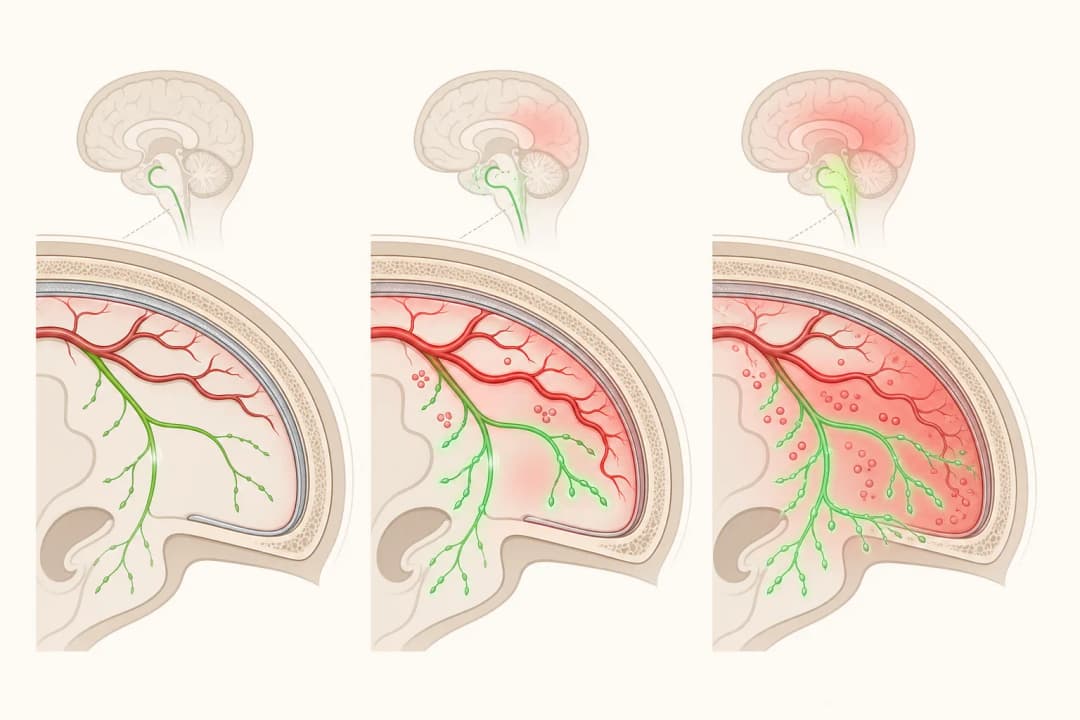
Migraine involves changes in brain pathways that process pain and sensory signals. It is not a sign that a person has caused the condition. A tendency to migraine can run in families, and episodes can be influenced by changes in routine or the body’s internal state.
Triggers differ between people. Missed meals, dehydration, disrupted sleep, emotional stress, bright light, strong smells, alcohol, and hormonal changes are examples that some people identify. A trigger is not always followed by an attack, so patterns are more useful than blaming a single exposure.
Course and progression
Episodes can be occasional or frequent, and the pattern may change over time. Keeping a brief record of timing, symptoms, sleep, meals, medicines, and possible triggers can help show whether attacks are becoming more disruptive or changing character.
Factors linked with attacks
A family history of migraine, hormonal shifts, irregular sleep, prolonged stress, and frequent use of pain medicines can be relevant when a clinician reviews recurring headaches. These factors do not confirm a diagnosis; they help build a fuller picture of the pattern.
How migraine is diagnosed
A clinician usually diagnoses migraine from the history of attacks, associated symptoms, medicines, and a neurological examination. They may ask how the pain started, whether it is different from past headaches, and how it affects normal activities. Tests are considered when the history or examination suggests another cause that needs investigation.
Treatment options
Treatment has two aims: easing an individual attack and reducing future attacks when they are frequent or disabling. A clinician may discuss pain relief, anti-sickness medicine, migraine-specific medicines, and preventive treatment based on the person’s symptoms and medical history. Taking medicines early in an attack may be part of an individual plan.
Avoid taking pain medicines more often than advised, because frequent use can itself contribute to recurring headaches. A GP can assess the pattern and arrange further care when needed.
Living with migraine
Regular meals, fluids, sleep, and paced activity can make attacks easier to manage for some people. During an episode, rest in a low-stimulation space and use the treatment plan agreed with a clinician. Share the practical impact with family, school, or work where support may be useful.
When to seek a review
Arrange a clinical review if attacks are increasing, treatments are not helping, or a familiar migraine becomes noticeably different. Urgent assessment is appropriate for sudden explosive pain or neurological symptoms that do not match a known, assessed migraine plan.
Reducing avoidable triggers
A diary can identify repeat patterns, such as attacks after sleep disruption or skipped food. Aim for steady routines where practical, and review any suspected trigger with a clinician before making major dietary restrictions. Preventive medicine may be considered when attacks remain burdensome despite self-management.
Finding the right support
Start with a GP consultation for new, recurrent, or changing headaches. They can assess warning features, discuss treatment, and decide whether referral to a clinician with expertise in headache conditions is appropriate.
Questions people ask
Can migraine occur without a typical headache?
Some people experience visual, sensory, balance, or nausea symptoms with little or no head pain. A clinician can assess new or unusual episodes to rule out other causes.
Should I keep a migraine diary?
A short diary of symptoms, timing, daily routine, and medicines can help identify patterns and support a treatment discussion.
Related
Related reading
Keep reading
Find care
General Clinics & Polyclinics in Abu Dhabi
Where migraine: symptoms, triggers and care is assessed depends on what is causing it. These are licensed general clinics & polyclinics listed in Abu Dhabi.
27 Ar Ruwwad St - Shakhbout City - MSH4 - Abu Dhabi - United Arab Emirates
Accepts: Daman, Thiqa, Cigna, MetLife +20 more
Al Ruwais, Al Dhafrah
Accepts: Daman, Thiqa, AXA, Cigna +16 more
Al Bahyah - Al Bahyah Old - Abu Dhabi - United Arab Emirates
Accepts: Daman, Thiqa, Cigna, Allianz Care +18 more
Abu Dhabi
Accepts: Daman, Thiqa, AXA, Cigna +27 more
Ordered by verification status and how complete each clinic's public record is, then alphabetically. This is a directory listing, not a ranking — Zavis does not rate or recommend providers.
A factual listing drawn from the DHA, DOH and MOHAP licence registers. It is not a referral, an endorsement, or advice that any of these providers is right for you.
Medical disclaimer. This page is general health information, not medical advice, and it cannot diagnose you. Always consult a licensed healthcare provider about your own symptoms and treatment. In an emergency in the UAE, call 998 for an ambulance.