
Chronic Kidney Disease (CKD)
Updated
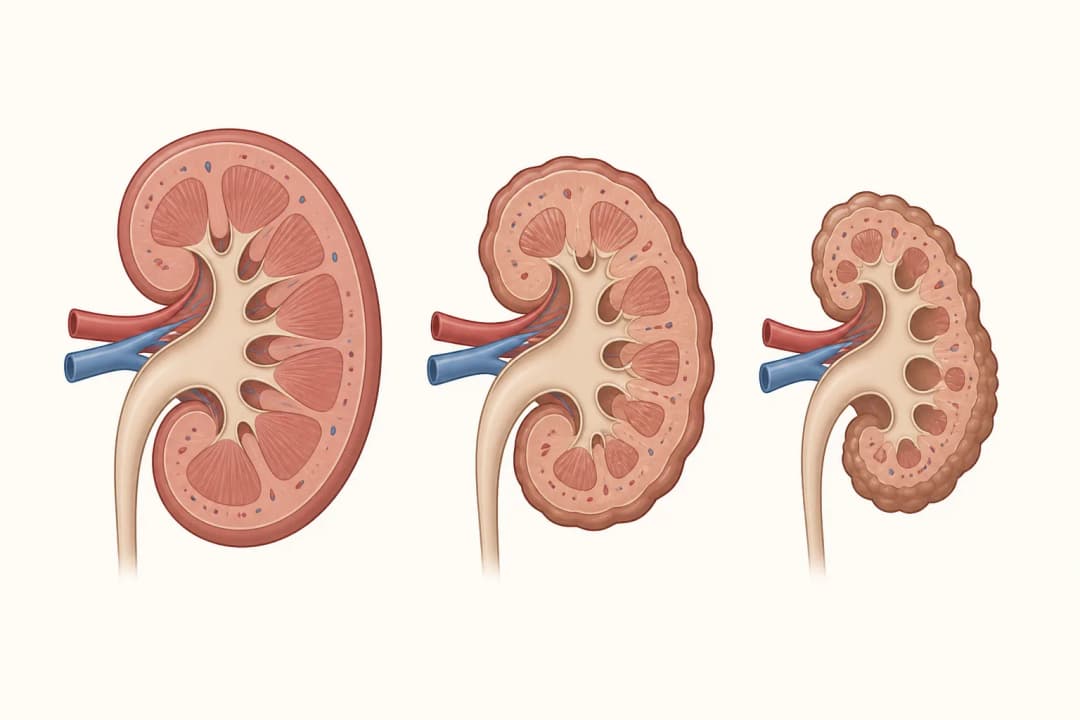
At a glance
- Also called
- CKD
- What kidneys do
- Filter waste and balance fluid
- Monitoring
- Blood, urine and blood-pressure checks
What chronic kidney disease means
Chronic kidney disease is long-term damage or reduced kidney function that needs regular monitoring and management.
Kidneys filter waste and extra fluid from the blood, help regulate blood pressure and support red blood cell production. CKD can develop gradually, so early changes may be found through routine checks before someone feels unwell.
Possible symptoms
Many people have no noticeable symptoms early on. As kidney function changes, people with chronic kidney disease can experience fatigue, ankle or facial swelling, changes in urination, muscle cramps, thirst, itching, nausea or restless legs. These symptoms have many possible causes, so they need clinical assessment rather than self-diagnosis.
Common causes
Diabetes and high blood pressure can damage the kidney filters over time. Other causes include inflammation of the kidney tissue, repeated obstruction to urine flow, inherited conditions and some medicines. The care team will look at your medical history, medicines and test results to identify likely contributors.
How CKD can change over time
The rate of change differs between people. Monitoring blood pressure, urine findings and blood tests helps clinicians see whether kidney function is stable or changing. Treating contributing conditions and avoiding kidney stressors can help preserve remaining function.
Factors that raise concern
A history of diabetes, hypertension, heart or blood vessel disease, kidney disease in the family, recurrent urinary problems or use of medicines that affect the kidneys can make monitoring particularly important. Discuss non-prescription pain medicines, supplements and herbal products with a clinician before using them regularly.
Tests used for diagnosis
Assessment commonly includes blood tests that estimate kidney filtering, a urine test that looks for blood or protein, and blood pressure measurement. Imaging may be arranged when a structural problem or blockage is suspected. Repeating tests over time helps distinguish a lasting problem from a temporary change.
Treatment options
Treatment aims to manage the cause, reduce strain on the kidneys and address symptoms or complications. This may include medicines for blood pressure or diabetes, changes to medicines that may harm kidney function, dietary advice and planned follow-up. Advanced kidney failure may require specialist discussion of kidney replacement options.
Living with CKD
Keep scheduled checks and take medicines as prescribed. A dietitian can give advice matched to your blood results and stage of kidney disease, rather than using a restrictive plan copied from elsewhere. Seek advice before dehydration risks such as vomiting, diarrhoea or fasting, because medicine plans sometimes need adjusting.
Possible complications
CKD can contribute to fluid retention, high potassium, anaemia, bone and mineral problems, raised blood pressure and cardiovascular disease. Contact urgent medical care for severe breathlessness, chest pain, confusion, fainting, severe weakness or rapidly increasing swelling.
Protecting kidney health
Keeping blood pressure and blood glucose within the targets agreed with your clinician, staying hydrated when appropriate, not smoking and reviewing medicines can reduce avoidable kidney strain. Regular monitoring is especially useful for people with conditions that can affect the kidneys.
Who can help
A primary care clinician can organise initial testing and ongoing monitoring. Referral to a kidney specialist may be appropriate when tests change, the cause is uncertain, blood pressure is difficult to manage or treatment needs become more complex.
Questions people ask
Can chronic kidney disease cause fatigue?
Fatigue can occur in chronic kidney disease, including when anaemia or waste build-up contributes. It has many other causes too, so assessment is needed.
Should I stop medicines if I have CKD?
Do not stop prescribed treatment without advice. Bring every prescription, non-prescription medicine and supplement to a review so kidney-safe choices can be made.
Related
Related reading
Keep reading
Find care
General Clinics & Polyclinics in Dubai
Where chronic kidney disease (CKD) is assessed depends on what is causing it. These are licensed general clinics & polyclinics listed in Dubai.
The Court Residence, 39B Street, Jumeirah 1, Dubai
Accepts: Tabby, Tamara
Elite Business Bay Residence - Shop 03 & 04, 34 Marasi Dr - Business Bay - Dubai - United Arab Emirates
Accepts: Tabby
Airport View Building, Al Garhoud, Dubai
Accepts: Daman, Thiqa, AXA, Cigna +25 more
IBIS Building, 5th Floor, Unit 5003, Deira, Dubai
Accepts: AXA, Cigna, MetLife, Allianz Care +18 more
Ordered by verification status and how complete each clinic's public record is, then alphabetically. This is a directory listing, not a ranking — Zavis does not rate or recommend providers.
A factual listing drawn from the UAE health regulators' public licence registers. It is not a referral, an endorsement, or advice that any of these providers is right for you.
Medical disclaimer. This page is general health information, not medical advice, and it cannot diagnose you. Always consult a licensed healthcare provider about your own symptoms and treatment. In an emergency in the UAE, call 998 for an ambulance.