
Brain Tumour: Symptoms, Diagnosis and Treatment
Updated
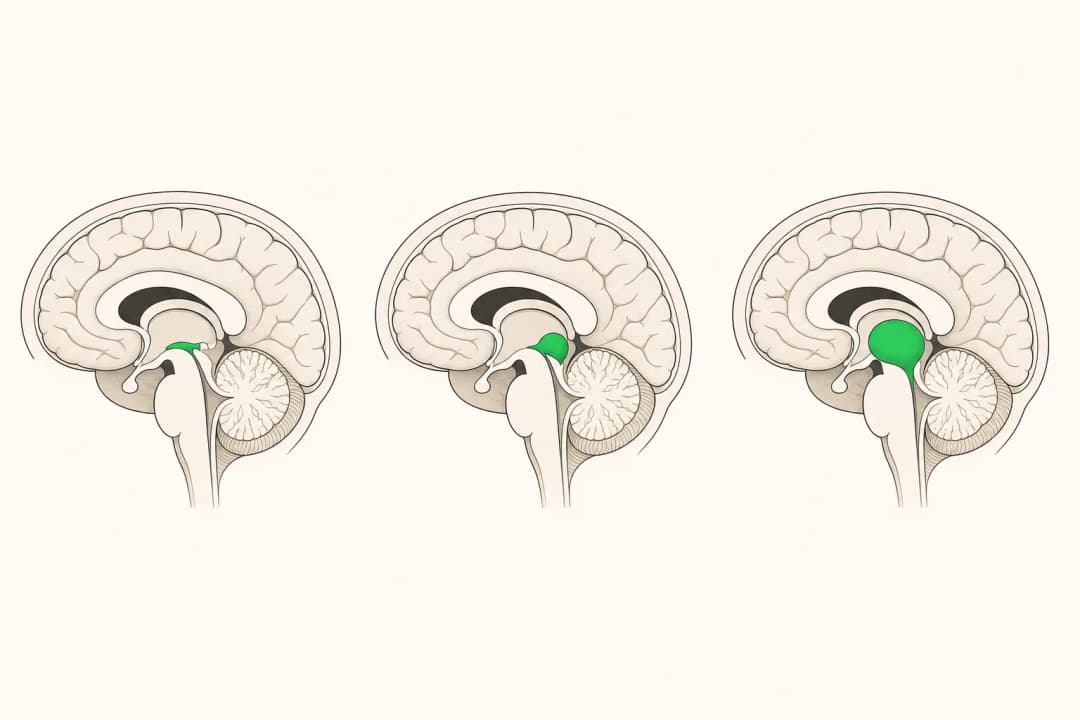
At a glance
- Origin
- A tumour may start in the brain or spread there from another organ.
- Key test
- MRI can define the tumour's location and its effects on nearby tissue.
- Care team
- Management may involve neurosurgery, neuro-oncology, radiation oncology and rehabilitation.
What is a brain tumour?
A brain tumour is an abnormal growth in the brain that may be benign or cancerous and requires specialist assessment.
Tumours that begin in the brain are called primary brain tumours. Tumours that arrive after cancer spreads from another organ are secondary tumours. Even a non-cancerous growth can cause serious problems if it presses on sensitive brain tissue or blocks the normal flow of fluid.
Possible symptoms
Brain tumours can present with persistent or changing headaches, a first-time seizure, nausea, weakness on one side, altered vision or speech, balance problems, memory changes, or changes in personality. The pattern depends on the tumour's location, size and effect on pressure inside the skull.
Seek emergency help for a first seizure, sudden weakness, new difficulty speaking, loss of consciousness, or a severe rapidly worsening headache. These signs need urgent assessment because several neurological conditions can cause them.
How brain tumours develop
A tumour develops when changes in a cell's genetic instructions allow it to grow and divide outside normal controls. The precise trigger is often unknown. Different brain and supporting cells can produce different tumour types, so their behaviour and treatment needs vary.
How the condition may change
Some tumours grow slowly and remain confined, while others infiltrate nearby tissue. Symptoms may emerge gradually or appear abruptly when swelling, bleeding, fluid blockage or seizure occurs. Doctors use the tumour type, grade, location and imaging changes to judge its likely behaviour.
Factors linked with higher risk
Relevant factors can include certain inherited tumour syndromes and previous therapeutic radiation to the head. Age patterns differ by tumour type. Having a risk factor does not establish that a tumour is present, and many people diagnosed with a brain tumour have no clear preventable cause.
Tests and diagnosis
Assessment usually begins with a neurological examination covering strength, sensation, vision, coordination, reflexes and thinking. Brain imaging shows the location and surrounding swelling. MRI often provides detailed views, sometimes before and after contrast material is given.
A tissue sample may be removed during surgery or by a targeted biopsy. A pathologist examines the cells and may test molecular features. This information distinguishes tumour types and helps the care team select treatment.
Treatment options
Treatment is tailored to the tumour type, grade, position, molecular findings, symptoms and general health. Surgery may remove all or part of an accessible tumour and can relieve pressure. Radiotherapy uses focused radiation, while stereotactic radiosurgery delivers highly precise treatment without an incision. Chemotherapy may be used for tumour types that respond to it.
Medicines can reduce swelling, control seizures or ease nausea. Observation with scheduled imaging may suit selected slow-growing tumours when immediate treatment would offer little advantage. Planning often involves neurosurgery, oncology, radiology, pathology and rehabilitation specialists.
Living with a brain tumour
Fatigue, concentration difficulties, seizures or movement changes can affect work, driving and independence. Occupational therapy, physiotherapy, speech therapy and psychological support can address specific challenges. Keep an updated medicines list and record new neurological symptoms for appointments.
Complications to recognise
Possible complications include seizures, weakness, communication problems, fluid build-up, treatment-related swelling and blood clots. Fever during cancer treatment, repeated vomiting, increasing confusion, worsening drowsiness or a new neurological deficit warrants prompt medical advice; sudden severe symptoms need emergency care.
Can a brain tumour be prevented?
There is no established routine screening test or prevention method for most brain tumours. People with a recognised inherited syndrome may receive personalised surveillance. Avoiding unnecessary exposure to ionising radiation is sensible, while medically needed imaging or treatment should be considered according to its clinical benefit.
Finding the right specialist
A neurologist may assess seizures or other neurological symptoms, and a neurosurgeon evaluates biopsy or removal. Neuro-oncology and radiation oncology teams guide additional treatment. For a confirmed tumour, ask whether the case will be discussed by a multidisciplinary team and who to contact if symptoms change.
Questions people ask
Does a persistent headache mean I have a brain tumour?
No. Headaches have many possible causes. A brain tumour can present with a persistent or changing headache, particularly alongside vomiting, seizures or neurological changes, so a clinician should assess a new concerning pattern.
Is every brain tumour cancerous?
No. Some brain tumours are benign and others are malignant. A benign tumour can still need treatment if it presses on the brain, affects fluid flow or causes symptoms.
Will brain tumour treatment always involve surgery?
Not always. The plan may include surgery, radiotherapy, stereotactic radiosurgery, chemotherapy, symptom-control medicines or monitored observation, depending on the tumour and the person's health.
Related
Related reading
Keep reading
Cancer care in the UAE
Hospitals & Medical Centers in Abu Dhabi
Most UAE cancer care is delivered inside hospital services rather than by standalone oncology clinics, so these are licensed hospitals & medical centers listed in Abu Dhabi. Confirm the specific cancer service exists before you travel, and know that asking for a second opinion is routine.
Ahalia Hospital Musaffah Building - Musaffah - Musaffah Industrial - Abu Dhabi - United Arab Emirates
Accepts: Daman, Thiqa, AXA, Cigna +13 more
Al Ruwais Industrial City - Abu Dhabi - United Arab Emirates
Accepts: Daman, Thiqa, AXA, Cigna +18 more
Abu Dhabi, Abu Dhabi
Accepts: Daman, Thiqa, AXA, Cigna +21 more
Second opinions are routine in cancer care and asking for one does not affect your treatment. How to arrange a second opinion in the UAE.
Ordered by verification status and how complete each clinic's public record is, then alphabetically. This is a directory listing, not a ranking — Zavis does not rate or recommend providers.
A factual listing drawn from the UAE health regulators' public licence registers. It is not a referral, an endorsement, or advice that any of these providers is right for you.
Medical disclaimer. This page is general health information, not medical advice, and it cannot diagnose you. Always consult a licensed healthcare provider about your own symptoms and treatment. In an emergency in the UAE, call 998 for an ambulance.