
Why is adapalene used in topical retinoids?
Short answer
Adapalene is used in topical retinoids because it helps normalise pore shedding, preventing blocked follicles that contribute to acne.
This answers one question. It is not a diagnosis and does not replace an assessment by a licensed doctor.
At a glance
- Main action
- Normalises shedding inside acne-prone follicles.
- Common adjustment
- Dryness, peeling, redness, or stinging.
What adapalene does in skin
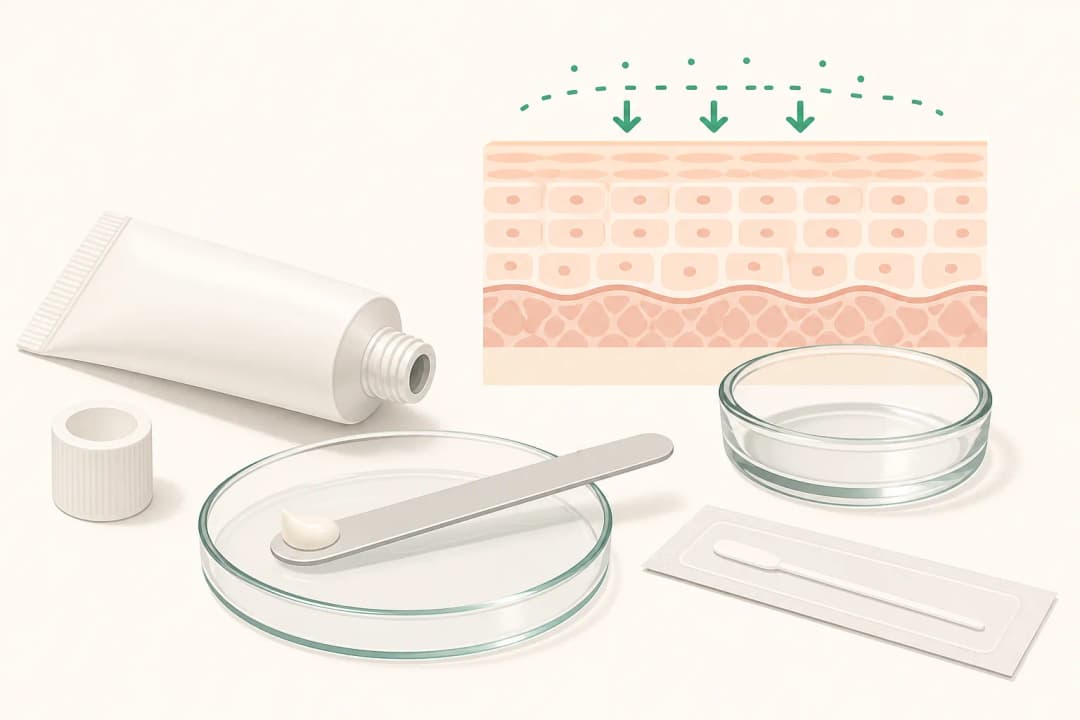
Adapalene acts on retinoid receptors in the skin. In acne-prone follicles, sticky dead cells and oil can collect and form a blockage. Adapalene encourages a more orderly shedding pattern, helping reduce the formation of comedones such as blackheads and whiteheads. Its anti-inflammatory activity can also support control of red spots. Because it works within the follicle, improvement is gradual rather than an instant change to the surface.
Early dryness, peeling, redness, or stinging can occur as skin adjusts. These effects often reflect irritation rather than an allergy, but marked swelling, blistering, or rapidly worsening discomfort needs medical advice. Adapalene is usually applied as a thin layer to the acne-prone area, not only to individual spots, unless the prescriber gives different directions.
How to start carefully
Apply the prescribed amount to clean, dry skin and wash your hands afterwards. A gentle cleanser and non-comedogenic moisturiser can support the skin barrier. Use sun protection because irritated skin can be more sensitive to sunlight. Avoid layering it with harsh scrubs or other irritating products unless your clinician has planned that combination. If dryness is troublesome, ask whether reducing application frequency temporarily is appropriate rather than abandoning treatment without guidance.
When to seek care
Seek medical advice for intense burning, swelling, blistering, crusting, or a rash extending beyond treated areas. Stop and contact the prescriber promptly if you develop facial swelling or breathing difficulty after application. Ask for a review if acne becomes painful, leaves scars, or does not improve with consistent use, since another treatment plan may be needed. Discuss pregnancy or plans for pregnancy with your clinician before using acne medicines.
Questions for your doctor
Ask where to apply adapalene, how often to begin, which products may worsen irritation, what improvement to expect over time, and whether it is suitable with your current medicines or pregnancy plans.
Find care
General Clinics & Polyclinics in Abu Dhabi
That answer is general. If you want it applied to your own case, these are licensed general clinics & polyclinics listed in Abu Dhabi.
27 Ar Ruwwad St - Shakhbout City - MSH4 - Abu Dhabi - United Arab Emirates
Accepts: Daman, Thiqa, Cigna, MetLife +20 more
Al Ruwais, Al Dhafrah
Accepts: Daman, Thiqa, AXA, Cigna +16 more
Al Bahyah - Al Bahyah Old - Abu Dhabi - United Arab Emirates
Accepts: Daman, Thiqa, Cigna, Allianz Care +18 more
Abu Dhabi
Accepts: Daman, Thiqa, AXA, Cigna +27 more
Ordered by verification status and how complete each clinic's public record is, then alphabetically. This is a directory listing, not a ranking — Zavis does not rate or recommend providers.
A factual listing drawn from the DHA, DOH and MOHAP licence registers. It is not a referral, an endorsement, or advice that any of these providers is right for you.
Questions people ask
Should adapalene go only on spots?
It is commonly spread thinly over the acne-prone area because it helps prevent new blockages, but follow your prescription.
Can adapalene irritate skin?
Yes. Irritation is possible, especially when starting, so gentle skin care and a planned introduction can help.
Related
Related reading
Keep reading
Medical disclaimer. This page is general health information, not medical advice, and it cannot diagnose you. Always consult a licensed healthcare provider about your own symptoms and treatment. In an emergency in the UAE, call 998 for an ambulance.