
Why does type 1 diabetes cause bedwetting?
Short answer
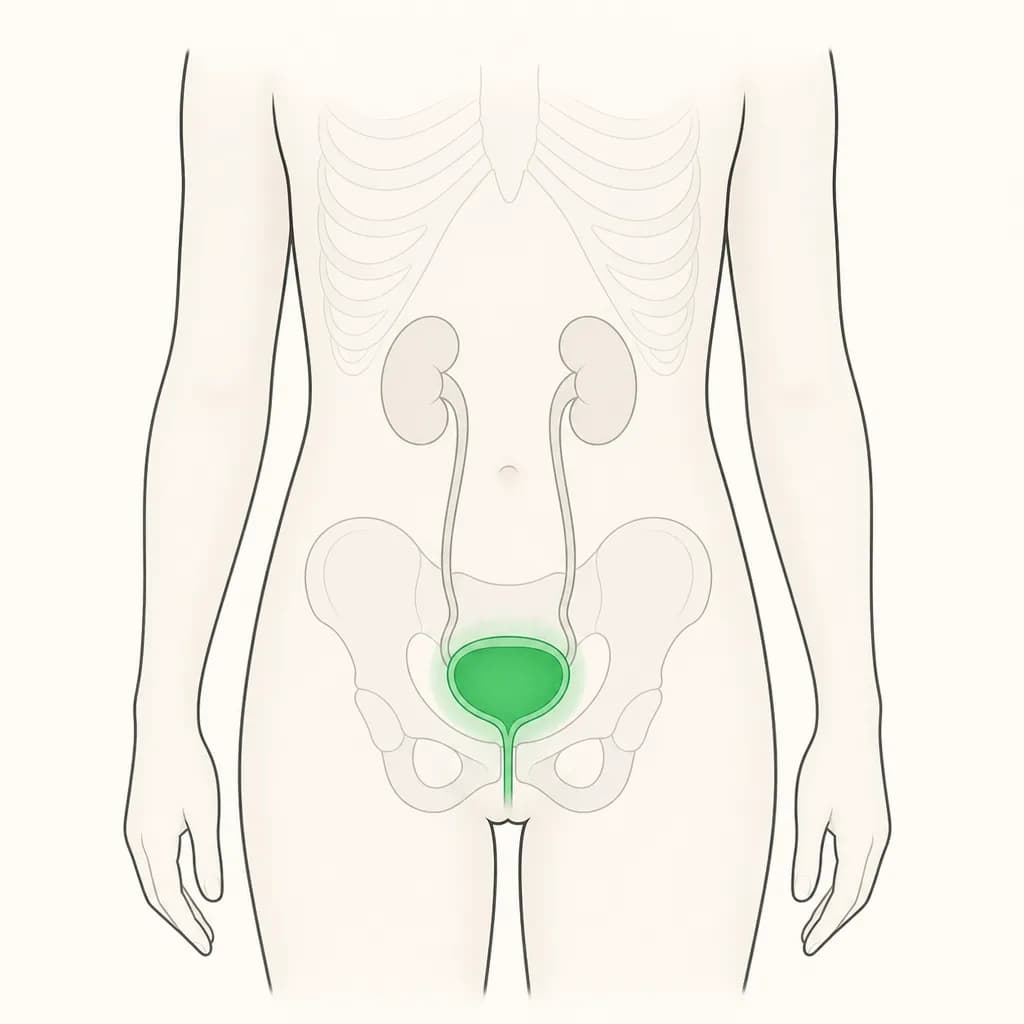
Type 1 diabetes can cause bedwetting when high blood glucose makes the kidneys pass extra glucose and water into the urine.
This answers one question. It is not a diagnosis and does not replace an assessment by a licensed doctor.
At a glance
- Main mechanism
- Extra glucose in urine pulls water with it, producing larger volumes of urine.
- Helpful detail
- New thirst, daytime urination and tiredness are important to mention at assessment.
Why more urine is made
When blood glucose is high, the kidneys may not reabsorb all of the glucose filtered from the blood. Glucose remaining in urine draws water with it, increasing urine volume and thirst. A full bladder during sleep can lead to bedwetting. Bedwetting is a common presentation of Type 1 Diabetes, but bedwetting also has other causes, especially in children.
New bedwetting after a child has been dry at night, particularly with marked thirst, frequent daytime urination, tiredness or weight change, deserves timely clinical assessment. The same applies to new bedwetting in an adult.
What to do next
Contact a clinician promptly for new or worsening bedwetting alongside thirst or frequent urination. A simple blood glucose or urine assessment may be part of the evaluation. If type 1 diabetes is already diagnosed, follow the sick-day and glucose-management plan provided by your diabetes team.
Do not punish a child for bedwetting. Protect bedding, encourage regular daytime drinks, and share the timing and pattern of wet nights with the clinician. Restricting fluids can increase dehydration risk when glucose is high.
When to get emergency help
Get emergency care for vomiting, stomach pain, deep or rapid breathing, unusual sleepiness, confusion, fruity-smelling breath, or inability to keep fluids down. These can occur with a serious complication of high blood glucose and need urgent treatment.
Questions to discuss
Ask whether glucose or urine testing is needed, whether the symptoms fit the current diabetes plan, how to respond during illness, and which warning signs require emergency care.
Find care
General Clinics & Polyclinics in Abu Dhabi
That answer is general. If you want it applied to your own case, these are licensed general clinics & polyclinics listed in Abu Dhabi.
27 Ar Ruwwad St - Shakhbout City - MSH4 - Abu Dhabi - United Arab Emirates
Accepts: Daman, Thiqa, Cigna, MetLife +20 more
Al Ruwais, Al Dhafrah
Accepts: Daman, Thiqa, AXA, Cigna +16 more
Al Bahyah - Al Bahyah Old - Abu Dhabi - United Arab Emirates
Accepts: Daman, Thiqa, Cigna, Allianz Care +18 more
Abu Dhabi
Accepts: Daman, Thiqa, AXA, Cigna +27 more
Ordered by verification status and how complete each clinic's public record is, then alphabetically. This is a directory listing, not a ranking — Zavis does not rate or recommend providers.
A factual listing drawn from the DHA, DOH and MOHAP licence registers. It is not a referral, an endorsement, or advice that any of these providers is right for you.
Questions people ask
Can bedwetting be the first noticeable change in type 1 diabetes?
It can be one feature when high glucose leads to increased urination. A clinician should assess it together with thirst, daytime urination and other symptoms.
Should fluids be stopped before bed?
No. Avoid restricting fluids to manage suspected high glucose. Seek prompt clinical advice instead, especially if thirst or frequent urination is new.
Related
Related reading
Keep reading
Medical disclaimer. This page is general health information, not medical advice, and it cannot diagnose you. Always consult a licensed healthcare provider about your own symptoms and treatment. In an emergency in the UAE, call 998 for an ambulance.