
Bedwetting
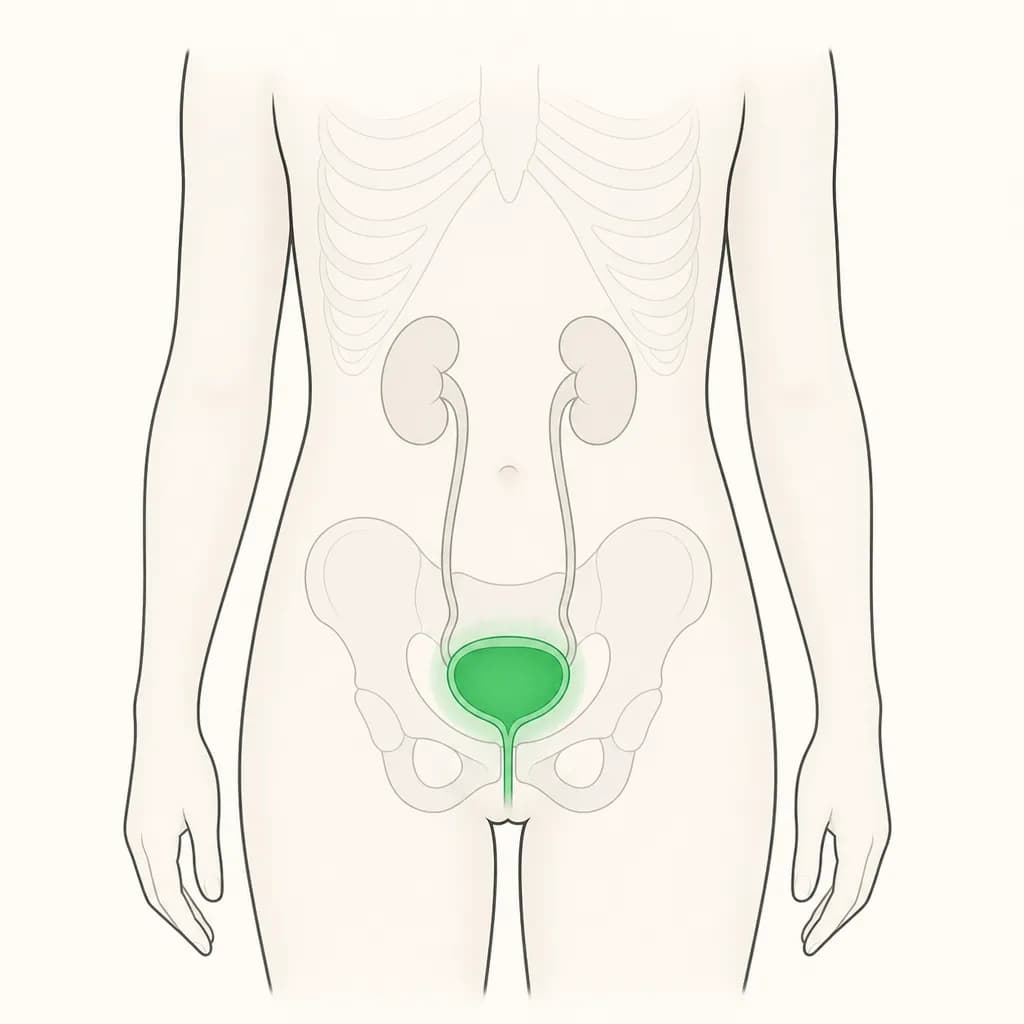
At a glance
- Also called
- Nocturnal enuresis
- Helpful record
- Nights, daytime bladder symptoms, drinks, and bowel habits
- Approach
- Supportive, non-punitive, and tailored to contributing factors
Understanding bedwetting
Bedwetting is the unplanned passing of urine during sleep, and a calm assessment can identify patterns and treatable contributors. It can occur in childhood or begin again after a dry period. The physical practicalities are often accompanied by embarrassment, disrupted sleep, or worry, so reassurance and privacy matter.
When to arrange prompt care
Arrange prompt medical advice if bedwetting starts suddenly with marked thirst, frequent daytime urination, pain or burning when passing urine, fever, blood in urine, new weakness, or unexplained weight change. Seek urgent help if a child seems very unwell, confused, unusually sleepy, or unable to keep fluids down.
Factors clinicians may consider
Bladder development, deep sleep, constipation, stress, and family patterns can all be relevant. Other conditions may contribute, including obstructive sleep apnoea, threadworms, type 1 diabetes, and urinary tract infection. This list is presented for discussion and does not say which explanation applies to an individual.
What an assessment involves
A clinician may ask about wet and dry nights, daytime bladder habits, drinks, bowel movements, sleep, stress, medicines, and family history. A urine sample can check for infection or glucose. Further assessment is guided by the history and examination, especially when daytime symptoms, recurrent infections, or sleep concerns are present.
Management tailored to the situation
A plan may include treating constipation or infection, adjusting the timing of drinks, a bedtime toilet routine, moisture alarms, or medicine in selected situations. Sleep-disordered breathing and diabetes need condition-specific care. Avoid blame or punishment: bedwetting is not deliberate, and practical support such as protective bedding can reduce stress while treatment is underway.
Supportive daily habits
Encourage regular daytime drinking and toilet visits rather than restricting all fluids. Limit drinks that irritate the bladder when relevant, and support a relaxed bowel routine. Let the person take part in changing bedding if they wish, without making it a consequence. Record nights, drinks, bowel habits, and daytime symptoms to identify patterns.
Associated signs
Daytime urgency, painful urination, constipation, loud snoring, restless sleep, itching around the anus, excessive thirst, and tiredness are all useful details to share. Each can change the type of assessment and management offered.
Looking ahead
Follow-up can track whether the plan is helping and whether emotional support is needed. Persistent bedwetting may benefit from a clinician with experience in bladder or sleep concerns, particularly when it affects school, work, sleepovers, or confidence.
Find care
General Clinics & Polyclinics in Abu Dhabi
Where bedwetting is assessed depends on what is causing it. These are licensed general clinics & polyclinics listed in Abu Dhabi.
27 Ar Ruwwad St - Shakhbout City - MSH4 - Abu Dhabi - United Arab Emirates
Accepts: Daman, Thiqa, Cigna, MetLife +20 more
Al Ruwais, Al Dhafrah
Accepts: Daman, Thiqa, AXA, Cigna +16 more
Al Bahyah - Al Bahyah Old - Abu Dhabi - United Arab Emirates
Accepts: Daman, Thiqa, Cigna, Allianz Care +18 more
Abu Dhabi
Accepts: Daman, Thiqa, AXA, Cigna +27 more
Ordered by verification status and how complete each clinic's public record is, then alphabetically. This is a directory listing, not a ranking — Zavis does not rate or recommend providers.
A factual listing drawn from the DHA, DOH and MOHAP licence registers. It is not a referral, an endorsement, or advice that any of these providers is right for you.
Questions people ask
Should drinks be stopped in the evening?
Avoid excessive restriction. Regular daytime fluids are important; a clinician can advise on timing and the right approach for an individual.
Can constipation affect bedwetting?
Yes. A full bowel can place pressure on the bladder, so bowel habits are routinely discussed during assessment.
Related
Related reading
Keep reading
Medical disclaimer. This page is general health information, not medical advice, and it cannot diagnose you. Always consult a licensed healthcare provider about your own symptoms and treatment. In an emergency in the UAE, call 998 for an ambulance.