
Why does sickle cell disease cause jaundice?
Short answer
Sickle cell disease can cause jaundice because rapid breakdown of red blood cells raises bilirubin, a yellow pigment processed by the liver.
This answers one question. It is not a diagnosis and does not replace an assessment by a licensed doctor.
At a glance
- Pigment involved
- Bilirubin can cause yellowing of the eyes and skin.
- Underlying process
- Early red-cell breakdown is called haemolysis.
- Useful detail
- Urine and stool colour changes should be reported.
Why yellowing can appear
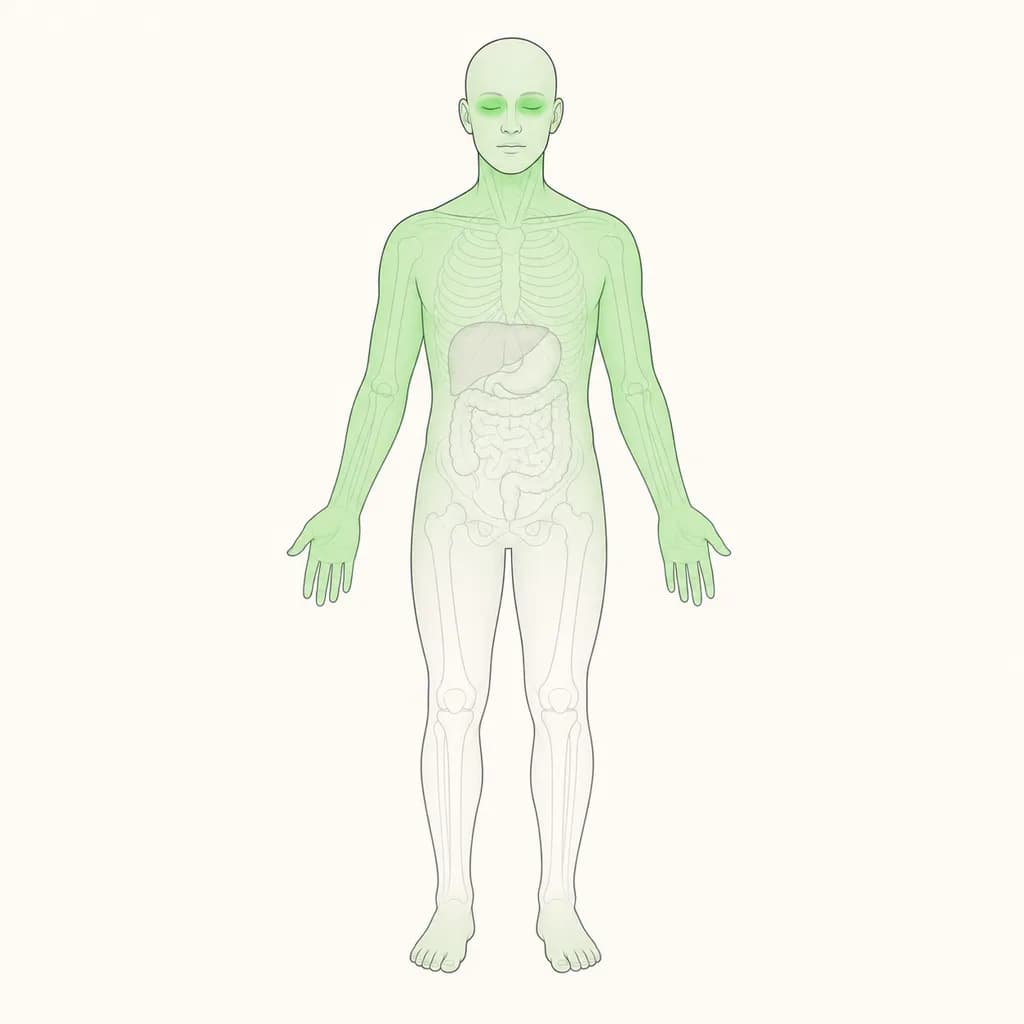
Red blood cells in sickle cell disease can be destroyed earlier than usual. Bilirubin is made as haemoglobin from those cells is broken down. When bilirubin builds up, the whites of the eyes and skin can look yellow. Jaundice is a common presentation of Sickle Cell Disease, and its intensity may change over time.
A familiar degree of yellowing may reflect ongoing red-cell breakdown, but it is still worth reporting a noticeable change. Jaundice can also occur for reasons involving the liver, bile ducts, medicines, or infection, so new symptoms should not be assumed to have one cause.
What to do next
Tell your usual sickle cell clinician about new, darker, or persistent yellowing. They may review your symptoms, examine you, and arrange blood tests that look at bilirubin, blood counts, and liver function. Take medicines as prescribed and avoid stopping a medicine on your own because of yellowing.
Note whether the change is linked with dark urine, pale stools, itching, abdominal pain, fever, vomiting, or a pain crisis. This detail helps distinguish ongoing haemolysis from problems that need a different assessment.
When to seek care
Get urgent medical help if jaundice comes with severe abdominal pain, fever, repeated vomiting, confusion, fainting, breathing difficulty, or feeling acutely unwell. Seek prompt advice for rapidly worsening yellowing, very dark urine, or pale stools, particularly when these are new for you.
Questions for your doctor
Ask what may be driving the bilirubin rise, whether your liver and gallbladder need checking, and which changes in urine, stool, pain, or fever should lead you to urgent care. Ask how often your blood monitoring should be reviewed.
Find care
General Clinics & Polyclinics in Abu Dhabi
That answer is general. If you want it applied to your own case, these are licensed general clinics & polyclinics listed in Abu Dhabi.
27 Ar Ruwwad St - Shakhbout City - MSH4 - Abu Dhabi - United Arab Emirates
Accepts: Daman, Thiqa, Cigna, MetLife +20 more
Al Ruwais, Al Dhafrah
Accepts: Daman, Thiqa, AXA, Cigna +16 more
Al Bahyah - Al Bahyah Old - Abu Dhabi - United Arab Emirates
Accepts: Daman, Thiqa, Cigna, Allianz Care +18 more
Abu Dhabi
Accepts: Daman, Thiqa, AXA, Cigna +27 more
Ordered by verification status and how complete each clinic's public record is, then alphabetically. This is a directory listing, not a ranking — Zavis does not rate or recommend providers.
A factual listing drawn from the DHA, DOH and MOHAP licence registers. It is not a referral, an endorsement, or advice that any of these providers is right for you.
Questions people ask
Does jaundice mean my liver is failing?
Not necessarily. In sickle cell disease it can result from red-cell breakdown, but a clinician may check the liver and bile system when jaundice changes.
Why might I notice yellow eyes before yellow skin?
The whites of the eyes can make a small bilirubin-related colour change easier to notice.
Related
Related reading
Keep reading
Medical disclaimer. This page is general health information, not medical advice, and it cannot diagnose you. Always consult a licensed healthcare provider about your own symptoms and treatment. In an emergency in the UAE, call 998 for an ambulance.