
Why does obstructive sleep apnoea cause bedwetting?
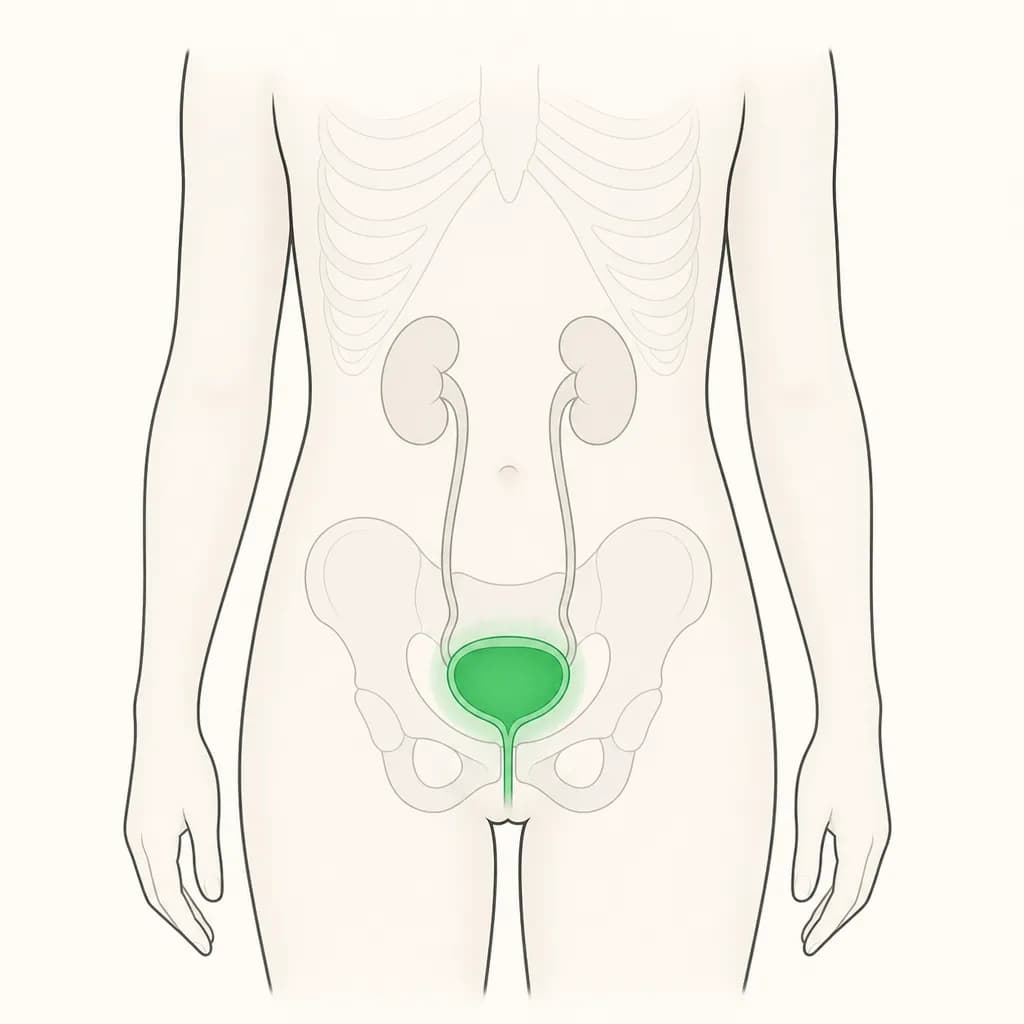
Short answer
Obstructive sleep apnoea can contribute to bedwetting because repeated airway blockage disrupts sleep and can alter the body signals that control overnight urine production and waking to use the toilet.
This answers one question. It is not a diagnosis and does not replace an assessment by a licensed doctor.
At a glance
- Clues during sleep
- Snoring, gasping, and witnessed breathing pauses
- Helpful record
- A sleep and wetting diary can reveal patterns
The sleep and bladder connection
With obstructive sleep apnoea, throat tissues narrow or close repeatedly during sleep. Breathing effort and brief arousals can affect hormones involved in fluid handling and make it harder to wake fully when the bladder is full. Bedwetting is a common presentation of Obstructive Sleep Apnoea, but it can also occur with constipation, urinary infection, diabetes, bladder conditions, stress, developmental factors, alcohol in adults, or some medicines. The wider sleep pattern provides important clues.
What to do next
Arrange a medical review for ongoing bedwetting, particularly when there is loud snoring, witnessed pauses in breathing, gasping, restless sleep, morning headaches, or daytime sleepiness. Note the timing of wet nights, evening drinks, snoring, and toilet habits. Assessment may include questions about the airway and sleep, a urine check, and referral for sleep testing when appropriate. Treating a confirmed sleep-breathing disorder can also improve related night-time symptoms.
When to seek urgent advice
Seek prompt medical advice for new bedwetting with pain when passing urine, fever, blood in the urine, extreme thirst, unexpected weight change, or new daytime wetting. Emergency assessment is needed for severe breathing difficulty, blue lips, confusion, or difficulty waking. A child who snores loudly with laboured breathing during sleep should be assessed rather than simply blamed for wetting.
Questions for the appointment
Ask whether the snoring and breathing pattern could indicate sleep apnoea, and whether a sleep assessment is suitable. Discuss possible bladder or bowel contributors, which urine tests are needed, and how to support sleep routines without shame or punishment.
Find care
General Clinics & Polyclinics in Abu Dhabi
That answer is general. If you want it applied to your own case, these are licensed general clinics & polyclinics listed in Abu Dhabi.
27 Ar Ruwwad St - Shakhbout City - MSH4 - Abu Dhabi - United Arab Emirates
Accepts: Daman, Thiqa, Cigna, MetLife +20 more
Al Ruwais, Al Dhafrah
Accepts: Daman, Thiqa, AXA, Cigna +16 more
Al Bahyah - Al Bahyah Old - Abu Dhabi - United Arab Emirates
Accepts: Daman, Thiqa, Cigna, Allianz Care +18 more
Abu Dhabi
Accepts: Daman, Thiqa, AXA, Cigna +27 more
Ordered by verification status and how complete each clinic's public record is, then alphabetically. This is a directory listing, not a ranking — Zavis does not rate or recommend providers.
A factual listing drawn from the DHA, DOH and MOHAP licence registers. It is not a referral, an endorsement, or advice that any of these providers is right for you.
Questions people ask
Does bedwetting prove someone has sleep apnoea?
No. Bedwetting has several possible causes. Sleep apnoea becomes more relevant when it occurs alongside snoring, breathing pauses, gasping, or daytime sleepiness.
Should evening fluids be stopped completely?
No. Regular hydration is needed. A clinician can advise on a sensible evening routine while checking for causes of excessive thirst or urine production.
Related
Related reading
Keep reading
Medical disclaimer. This page is general health information, not medical advice, and it cannot diagnose you. Always consult a licensed healthcare provider about your own symptoms and treatment. In an emergency in the UAE, call 998 for an ambulance.