
What should you know about urology flexi cystoscopy?
Updated
Short answer
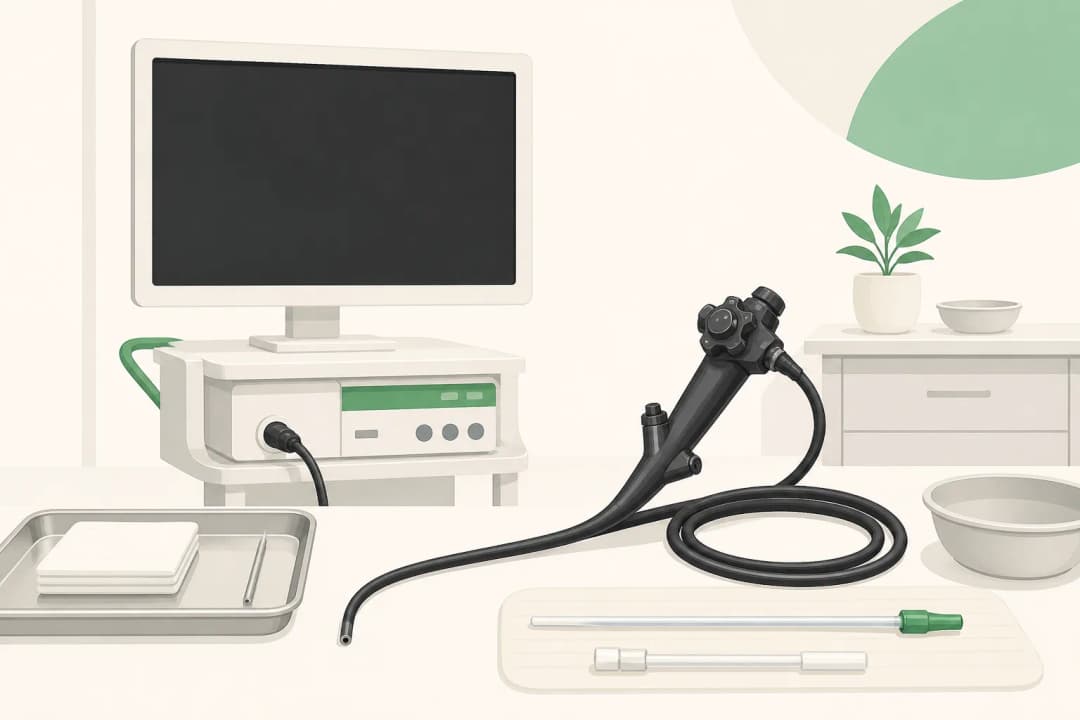
Flexible cystoscopy uses a bendable, narrow camera to view the urethra and bladder, often with local anaesthetic while you remain awake.
This answers one question. It is not a diagnosis and does not replace an assessment by a licensed doctor.
At a glance
- Scope
- Bendable camera
- Anaesthetic
- Often numbing gel
- Main purpose
- Viewing the urethra and bladder
Why flexibility matters
The flexible scope can follow the natural curve of the urinary passage while the urologist views the bladder lining on a monitor. The examination may help investigate blood in urine, repeated urinary symptoms, or a previous abnormal finding. It can also monitor changes after treatment for bladder cancer. Flexible cystoscopy is mainly an inspection; if tissue must be removed or a larger sample taken, the team may discuss a different procedure or anaesthetic.
Preparing for a flexible examination
Check whether you should arrive with a comfortably full bladder or provide a urine sample. Tell the clinic about infection symptoms, allergies, medicines, and any difficulty passing urine. Numbing gel is commonly placed in the urethra. During the test, pressure or an urge to urinate can be noticeable. Afterward, drink according to the team's advice, expect possible short-lived stinging, and arrange help if a sedative has been used.
When symptoms need review
Call the clinic if pain, burning, or bleeding is getting worse instead of easing, or if you have fever, chills, cloudy urine with feeling unwell, or trouble passing urine. Urgent assessment is appropriate for severe illness or complete inability to urinate.
What to clarify
Ask whether flexible cystoscopy is suitable for your reason for referral, what the camera may assess, whether a biopsy is possible, and how soon the findings will be explained. Confirm activity advice and the contact number for post-procedure concerns.
Questions people ask
Will I be awake for flexible cystoscopy?
Many flexible examinations use local numbing gel and take place while you are awake, but the planned approach depends on your situation.
Can flexible cystoscopy find bladder cancer?
It may show an area requiring further assessment. Confirmation can require a biopsy and other information.
Related
Related reading
Keep reading
Cancer care in the UAE
Hospitals & Medical Centers in Abu Dhabi
Most UAE cancer care is delivered inside hospital services rather than by standalone oncology clinics, so these are licensed hospitals & medical centers listed in Abu Dhabi. Confirm the specific cancer service exists before you travel, and know that asking for a second opinion is routine.
Ahalia Hospital Musaffah Building - Musaffah - Musaffah Industrial - Abu Dhabi - United Arab Emirates
Accepts: Daman, Thiqa, AXA, Cigna +13 more
Al Ruwais Industrial City - Abu Dhabi - United Arab Emirates
Accepts: Daman, Thiqa, AXA, Cigna +18 more
Abu Dhabi, Abu Dhabi
Accepts: Daman, Thiqa, AXA, Cigna +21 more
Second opinions are routine in cancer care and asking for one does not affect your treatment. How to arrange a second opinion in the UAE.
Ordered by verification status and how complete each clinic's public record is, then alphabetically. This is a directory listing, not a ranking — Zavis does not rate or recommend providers.
A factual listing drawn from the UAE health regulators' public licence registers. It is not a referral, an endorsement, or advice that any of these providers is right for you.
Medical disclaimer. This page is general health information, not medical advice, and it cannot diagnose you. Always consult a licensed healthcare provider about your own symptoms and treatment. In an emergency in the UAE, call 998 for an ambulance.