
Cystoscopy: A Camera Test for the Bladder
At a glance
- Also called
- Bladder camera test
- Examines
- Urethra and bladder lining
- Setting
- Clinic or procedure unit, depending on the plan
What cystoscopy is for
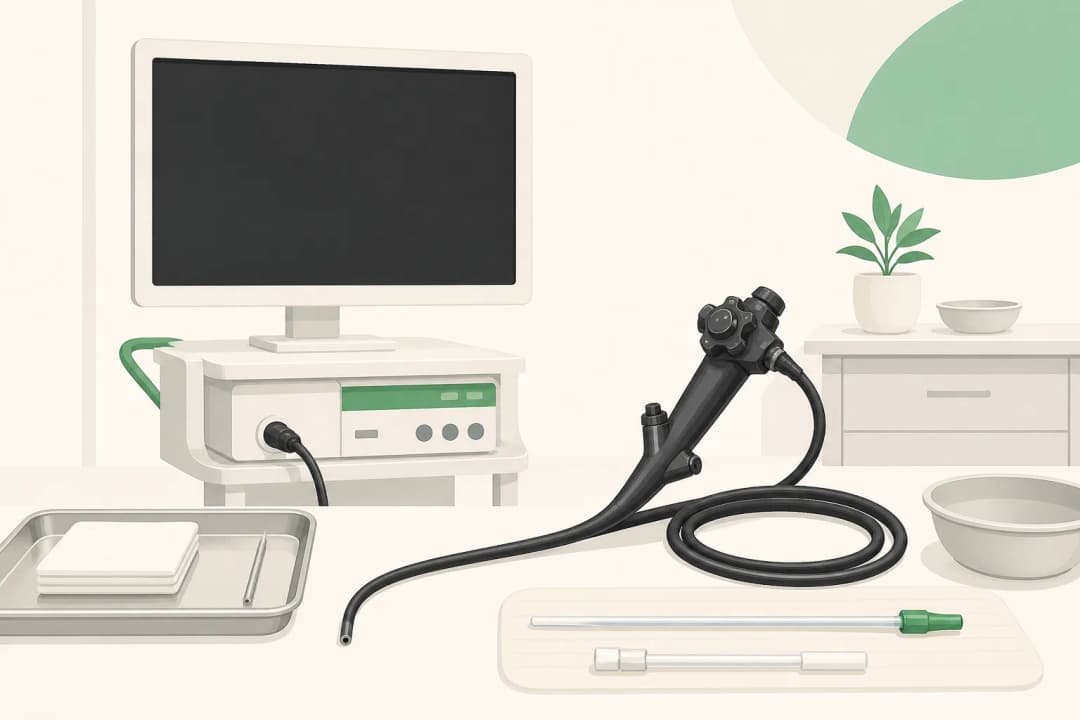
Cystoscopy uses a slim camera passed through the urethra to examine the lining of the bladder. It lets a urologist look directly at the urethra and bladder, investigate a concern, monitor a known bladder condition, or take a small tissue sample when appropriate.
What does the test involve?
The procedure may use a flexible scope under local numbing gel or a rigid scope with anaesthesia for particular examinations or treatments. You lie on an examination couch while the area is cleaned and gel is applied. Sterile fluid may fill the bladder so the lining can be viewed. The clinician explains what will happen before starting.
Is it safe, and how accurate is it?
Cystoscopy is a commonly used way to inspect the bladder lining directly. It can identify visible changes, but a normal appearance does not answer every urinary question and a sample may be needed to clarify a suspicious area. Temporary burning on urination, a small amount of blood in urine, and urgency can occur afterward.
What happens if the result is abnormal?
A visible patch, growth, stone, narrowing, or inflammation can need further assessment. The urologist may arrange urine testing, imaging, a biopsy, or removal of a bladder growth. If tissue is taken, the laboratory result helps identify the cell type and guides the discussion about treatment or surveillance.
Preparing for the appointment
Tell the clinic about blood-thinning medicines, allergies, pregnancy, urinary symptoms, and a recent urine infection. Preparation differs when anaesthesia is planned, so follow the clinic's instructions about eating, drinking, driving, and bringing an escort.
Who may need cystoscopy
A urologist may recommend cystoscopy after blood in the urine, recurrent urinary symptoms, an imaging finding, or as follow-up for bladder cancer. Bladder cancer can present with blood in the urine, but that symptom has many causes, so assessment is based on the full history and testing.
During and after the examination
Staff confirm the reason for the procedure and review consent. The scope is inserted gently through the urethra, and the clinician inspects the bladder images. A simple flexible examination is often completed in the clinic; a procedure involving anaesthesia or tissue sampling may need a different setting. You receive instructions before going home.
The first days afterward
Mild stinging or pink-tinged urine can settle with fluids and rest, unless your clinician has told you to limit fluids. If you had sedation or anaesthesia, arrange for a responsible adult to take you home and follow the discharge instructions about driving and work. Biopsy recovery instructions may be more specific.
When to seek advice
Contact the clinic urgently for fever, chills, inability to pass urine, worsening pain, heavy bleeding, or blood clots in the urine. These symptoms can indicate an infection, blockage, or bleeding that needs medical assessment. Your discharge sheet should provide an appropriate contact route.
Other tests that may be used
Urine tests and imaging can provide complementary information, but they do not always replace direct inspection. The most suitable test depends on the concern, whether tissue is required, and what earlier results have shown.
Planning care with a urology service
Choose a urology service that explains whether the procedure is flexible or rigid, whether a biopsy is possible, and how results will be communicated. Tell the booking team if you need mobility support, an interpreter, or help understanding preparation instructions.
Questions people ask
Is cystoscopy painful?
Numbing gel or anaesthesia may be used. Pressure and temporary burning afterward are possible.
Can I drive home?
If you receive sedation or anaesthesia, you need an escort and should follow the clinic's driving advice.
Can cystoscopy diagnose bladder cancer?
It can reveal an abnormal area, while a biopsy may be needed to identify the cells.
Related
Related reading
Keep reading
Cancer care in the UAE
Hospitals & Medical Centers in Abu Dhabi
Most UAE cancer care is delivered inside hospital services rather than by standalone oncology clinics, so these are licensed hospitals & medical centers listed in Abu Dhabi. Confirm the specific cancer service exists before you travel, and know that asking for a second opinion is routine.
Ahalia Hospital Musaffah Building - Musaffah - Musaffah Industrial - Abu Dhabi - United Arab Emirates
Accepts: Daman, Thiqa, AXA, Cigna +26 more
Al Ruwais Industrial City - Abu Dhabi - United Arab Emirates
Accepts: Daman, Thiqa, AXA, Cigna +30 more
Abu Dhabi, Abu Dhabi
Accepts: Daman, Thiqa, AXA, Cigna +30 more
Second opinions are routine in cancer care and asking for one does not affect your treatment. How to arrange a second opinion in the UAE.
Ordered by verification status and how complete each clinic's public record is, then alphabetically. This is a directory listing, not a ranking — Zavis does not rate or recommend providers.
A factual listing drawn from the DHA, DOH and MOHAP licence registers. It is not a referral, an endorsement, or advice that any of these providers is right for you.
Medical disclaimer. This page is general health information, not medical advice, and it cannot diagnose you. Always consult a licensed healthcare provider about your own symptoms and treatment. In an emergency in the UAE, call 998 for an ambulance.