
What should you know about urine test liver function?
Short answer
A urine test can provide clues about liver or bile-duct problems, but it does not measure liver function on its own.
This answers one question. It is not a diagnosis and does not replace an assessment by a licensed doctor.
At a glance
- Main point
- Urine findings can offer clues but cannot assess liver function by themselves.
- Common follow-up
- Blood tests may be needed to assess liver enzymes and bilirubin.
- Sample quality
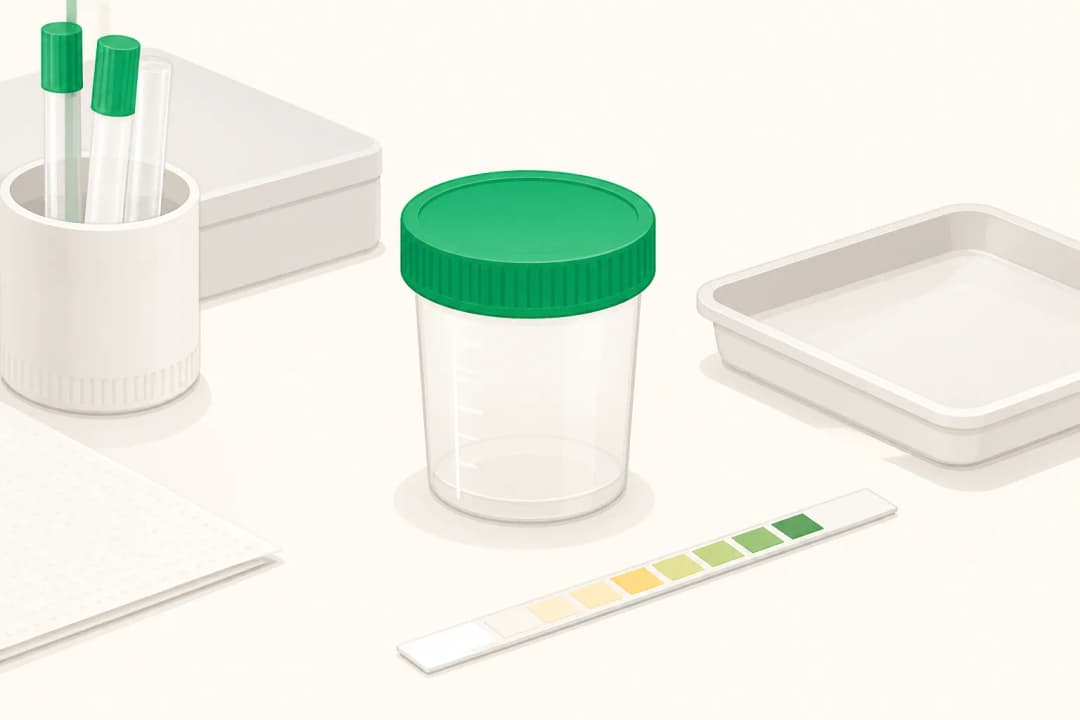
- Use the supplied container and follow the laboratory collection instructions.
The short answer
A routine urine test checks features such as colour, concentration, blood, protein, glucose and signs of infection. Some tests also look for bilirubin or urobilinogen, substances linked with bile processing. Doctors interpret these findings alongside symptoms, an examination and blood tests that assess liver enzymes, bilirubin and other markers.
What the result may mean
Bilirubin in urine can occur when bilirubin builds up in the bloodstream and reaches the kidneys. This may be associated with liver inflammation, blockage of bile flow or another problem affecting bile handling. Urobilinogen can change with liver disease, increased breakdown of red blood cells or reduced bile reaching the intestine, so it is not diagnostic by itself.
Dark urine can also result from dehydration, medicines or foods, while cloudy urine may relate to cells, crystals or infection. A result outside the reference range does not identify a cause without context. A negative urine result does not rule out liver disease, because many liver conditions do not alter routine urine findings.
What to do next
Follow the collection instructions carefully: use the requested container, avoid touching its inside, and return the sample within the advised timeframe. Tell the clinician about medicines, supplements, recent illness, alcohol use and any history of liver or urinary problems, because these details can affect interpretation.
If liver concerns remain, the clinician may arrange blood tests or imaging rather than relying on urine alone. If burning, frequent urination, fever or flank pain is present, assessment may focus on a urinary infection or kidney problem; treatment depends on the confirmed cause. Read more about a [Urine Test](/treatments/diagnostics-and-screening/urine-test/) and [Antibiotic Treatment](/treatments/medical-management/antibiotic-treatment/).
When to seek medical care
Arrange prompt medical assessment for yellowing of the skin or eyes, very dark urine with pale stools, severe or worsening abdominal pain, repeated vomiting, confusion, unusual sleepiness, or bleeding that is difficult to stop. Seek urgent care for severe flank pain with fever, marked weakness or inability to keep fluids down.
Contact a clinician about a persistent change in urine colour, swelling, itching, loss of appetite or unexplained nausea, especially when these symptoms occur together. Symptoms can have several causes, so urgency is guided by their severity and combination rather than by a urine result alone.
Questions for your doctor
Ask which urine finding needs follow-up, whether blood tests are needed to assess liver health, and whether medicines or supplements could explain the result. You can also ask whether the sample should be repeated and which symptoms should prompt earlier review.
Find care
General Clinics & Polyclinics in Abu Dhabi
That answer is general. If you want it applied to your own case, these are licensed general clinics & polyclinics listed in Abu Dhabi.
27 Ar Ruwwad St - Shakhbout City - MSH4 - Abu Dhabi - United Arab Emirates
Accepts: Daman, Thiqa, Cigna, MetLife +20 more
Al Ruwais, Al Dhafrah
Accepts: Daman, Thiqa, AXA, Cigna +16 more
Al Bahyah - Al Bahyah Old - Abu Dhabi - United Arab Emirates
Accepts: Daman, Thiqa, Cigna, Allianz Care +18 more
Abu Dhabi
Accepts: Daman, Thiqa, AXA, Cigna +27 more
Ordered by verification status and how complete each clinic's public record is, then alphabetically. This is a directory listing, not a ranking — Zavis does not rate or recommend providers.
A factual listing drawn from the DHA, DOH and MOHAP licence registers. It is not a referral, an endorsement, or advice that any of these providers is right for you.
Questions people ask
Can a urine test diagnose liver disease?
No. It may show bilirubin or urobilinogen changes, but diagnosis requires clinical assessment and often blood tests or imaging.
Does dark urine always mean a liver problem?
No. Dehydration, medicines, foods, blood or urinary conditions can also change urine colour. Persistent or concerning changes should be assessed.
Can a urinary infection affect the result?
It can add findings such as white blood cells, nitrites or blood, which are interpreted separately from liver-related markers. Related information is available on [Urinary Tract Infection](/conditions/urinary-tract-infection/).
Related
Related reading
Keep reading
Medical disclaimer. This page is general health information, not medical advice, and it cannot diagnose you. Always consult a licensed healthcare provider about your own symptoms and treatment. In an emergency in the UAE, call 998 for an ambulance.