
Type 2 diabetes sugar levels: what to know
Short answer
Type 2 diabetes sugar levels show how much glucose is in your blood at the time of testing, but one reading cannot describe your overall control.
This answers one question. It is not a diagnosis and does not replace an assessment by a licensed doctor.
At a glance
- A meter result
- A snapshot at one point in time
- A useful record
- Time, food, activity, medicines and symptoms
- Low sugar warning signs
- Shaking, sweating, hunger or confusion
What a reading means
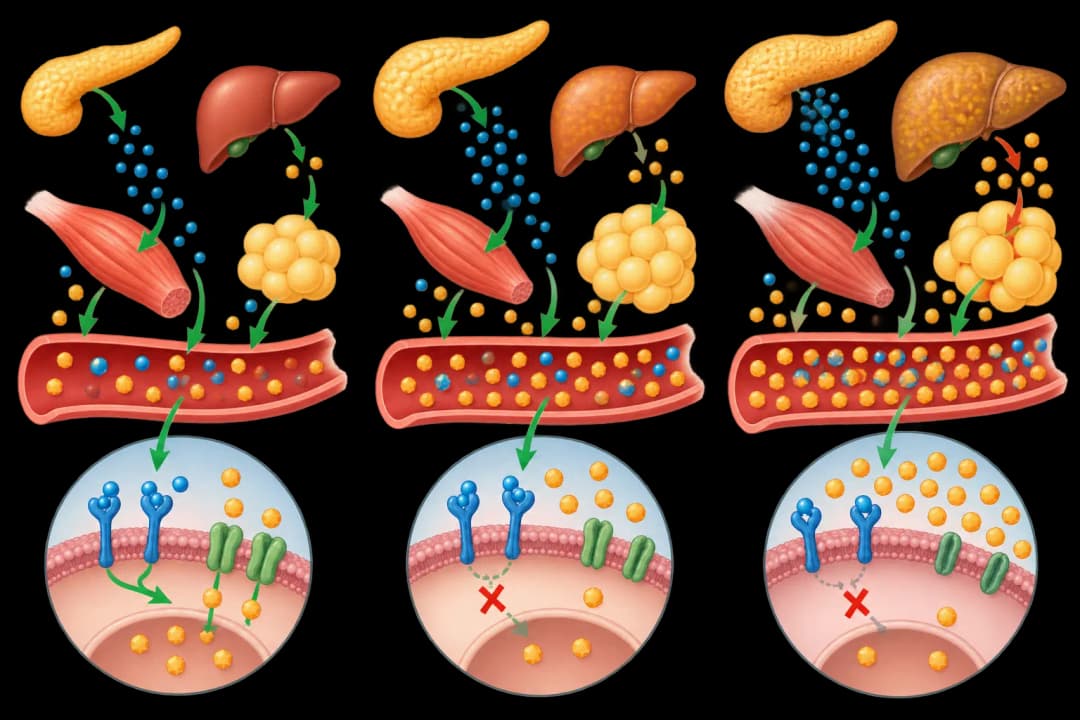
Glucose rises after food and may change with illness, stress, activity, sleep and medicines. A home meter gives a snapshot, while a longer-term blood test helps your clinician see the pattern over recent weeks. Your personal target depends on your health, treatment and risk of low blood sugar, so a target used by someone else may not suit you.
Readings that are repeatedly above your agreed range can increase the chance of problems affecting the eyes, kidneys, nerves, feet and blood vessels. Low readings can cause sweating, shaking, hunger, confusion or unusual behaviour. Hypoglycaemia explains low blood sugar and its warning signs.
What you can do
Use your meter exactly as instructed: wash and dry your hands, check the strip date, and record the time, food, activity, symptoms and medicines alongside the result. Do not change a dose or skip treatment because of one unexpected number. Share a pattern with your diabetes team so they can decide whether your plan needs adjusting.
Regular meals, suitable activity and foot care support diabetes management. Seek advice before making major changes if you use insulin or a medicine that can cause low blood sugar. Chronic kidney disease and peripheral neuropathy are conditions your clinician may check for during diabetes reviews.
When to seek care
Contact your clinician promptly if readings stay outside your agreed range, low readings recur, or you are vomiting, dehydrated or unable to keep medicines down. Get urgent help for severe confusion, a seizure, loss of consciousness, marked breathing difficulty or sudden weakness affecting one side of the body. Do not drive while confused or faint.
Questions for your doctor
Ask what target range applies to you, when to test, how to respond to a high or low result, and which symptoms require urgent help. Ask whether your kidneys, feet, nerves and blood pressure need review, and how illness should change your usual diabetes plan.
Find care
General Clinics & Polyclinics in Abu Dhabi
That answer is general. If you want it applied to your own case, these are licensed general clinics & polyclinics listed in Abu Dhabi.
27 Ar Ruwwad St - Shakhbout City - MSH4 - Abu Dhabi - United Arab Emirates
Accepts: Daman, Thiqa, Cigna, MetLife +20 more
Al Ruwais, Al Dhafrah
Accepts: Daman, Thiqa, AXA, Cigna +16 more
Al Bahyah - Al Bahyah Old - Abu Dhabi - United Arab Emirates
Accepts: Daman, Thiqa, Cigna, Allianz Care +18 more
Abu Dhabi
Accepts: Daman, Thiqa, AXA, Cigna +27 more
Ordered by verification status and how complete each clinic's public record is, then alphabetically. This is a directory listing, not a ranking — Zavis does not rate or recommend providers.
A factual listing drawn from the DHA, DOH and MOHAP licence registers. It is not a referral, an endorsement, or advice that any of these providers is right for you.
Questions people ask
Can one high reading diagnose poor control?
No. A clinician interprets repeated readings with your longer-term blood test, medicines, symptoms and overall health.
Should you change medicine after a high result?
Do not make an unplanned dose change. Record the result and contact your diabetes team for personalised advice.
Related
Related reading
Keep reading
Medical disclaimer. This page is general health information, not medical advice, and it cannot diagnose you. Always consult a licensed healthcare provider about your own symptoms and treatment. In an emergency in the UAE, call 998 for an ambulance.